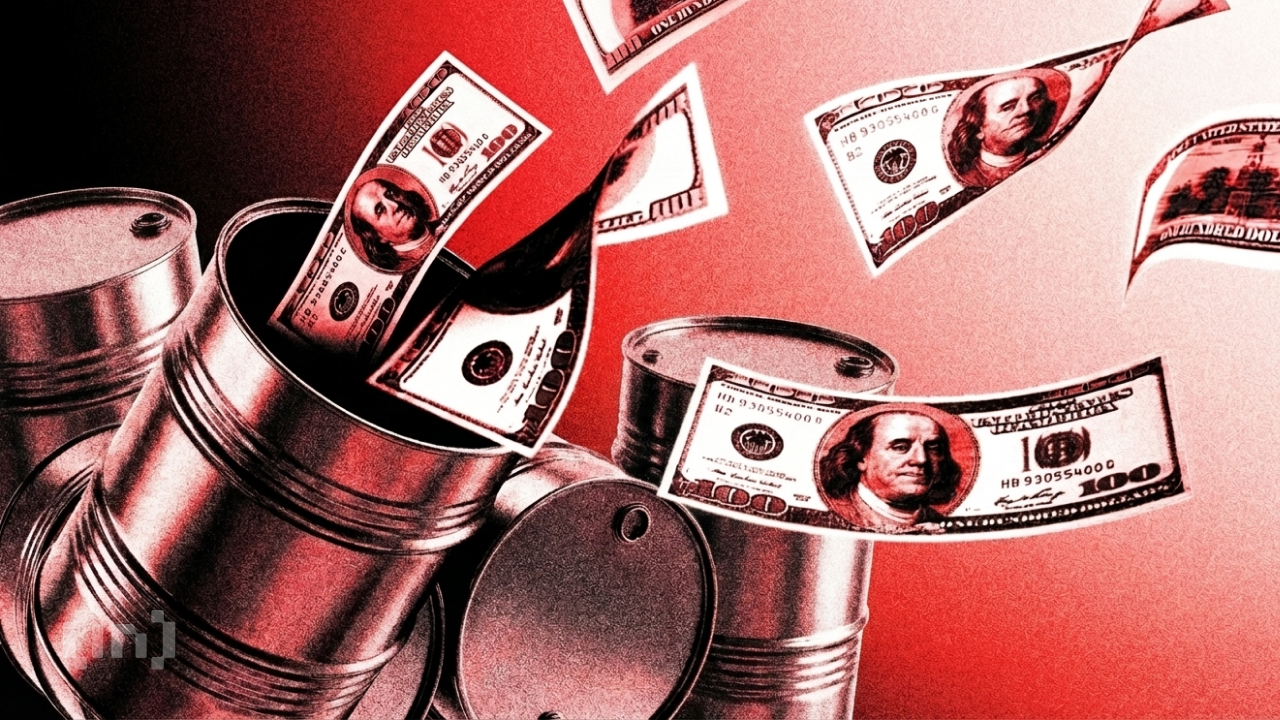
On Day 203 of the current conflict involving Iran, the U.S., and Israel, five nations have officially begun rationing fuel supplies to combat widespread shortages at the pump. The crisis stems from the continued blockade of the Strait of Hormuz, which has remained largely shut since February 28, 2026, following a series of retaliatory strikes. This disruption to one of the world's most vital energy corridors has forced local governments to limit consumption as national reserves dwindle.
The geopolitical situation worsened this month as Brent crude climbed to nearly $110, its highest price point since the spring of 2026. The prolonged closure of the Strait has effectively removed a massive portion of the global oil supply from the market, leading to the current state of emergency in the affected regions. Analysts suggest that if the blockade persists through the end of the year, the number of countries facing energy insolvency could double.
For the cryptocurrency sector, this energy shock carries heavy implications for Bitcoin miners and PoW networks. As fuel prices drive up the cost of electricity production, mining operations—particularly those in the U.S. that rely on grid stability—may face significantly reduced profit margins or temporary shutdowns. Historically, such spikes in energy costs lead to a decrease in the global hash rate as older, less efficient hardware becomes unprofitable to operate under high-cost conditions.
Investors should closely watch the diplomatic efforts to reopen the Strait and any potential U.S. strategic reserve releases. In the immediate term, expect heightened volatility in BTC and ETH as the market reacts to inflationary pressures caused by the $110 oil benchmark. The intersection of geopolitical instability and energy scarcity typically triggers a 'risk-off' sentiment, which could lead to short-term liquidations in the crypto markets until energy prices stabilize.