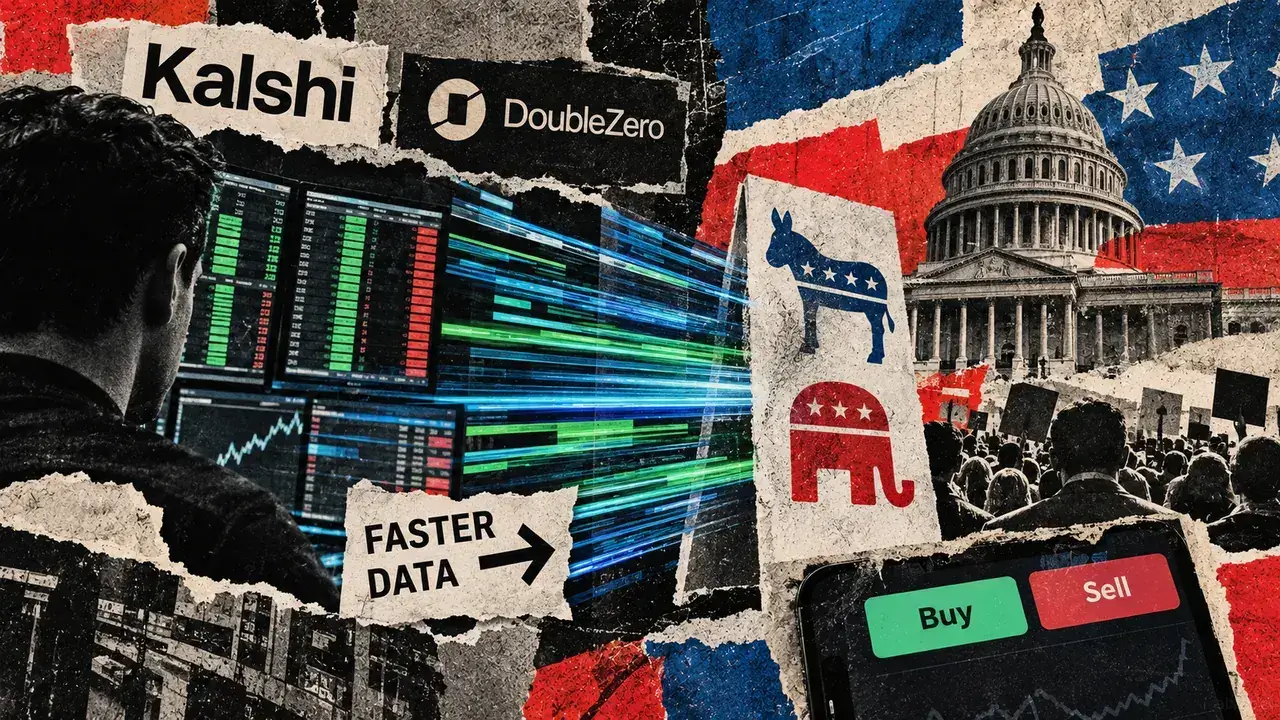
Traders on decentralized prediction markets during the 2026 election cycle are finding that "real-time" odds are often a lagging indicator, leading to significant slippage that erodes potential profit margins. This phenomenon occurs because the speed of information flow during high-stakes political events outpaces the liquidity available at specific price points on the blockchain. When a sudden shift in 2026 polling data or debate performance occurs, a rush of buy orders hits the order book simultaneously, causing the price to jump before a retail trader’s transaction can be finalized on-chain.
The 2026 political landscape has intensified this issue, as prediction markets have become the primary source of sentiment analysis for both crypto enthusiasts and traditional media. As news breaks—such as a surprise candidate withdrawal or a major legislative shift—algorithmic bots and high-frequency traders often front-run retail demand. This creates a "price gap" where the odds displayed on the user interface do not reflect the actual execution price, a critical factor for those betting on tight electoral races where margins are slim and every cent of the "share" price matters.
From a regulatory perspective, this volatility is drawing the attention of US authorities who are concerned about the transparency and fairness of decentralized platforms. While these markets offer a decentralized alternative to traditional polling, the technical limitations regarding order execution and "stale" pricing could lead to new consumer protection disclosure requirements for platforms operating in the US. Traders are increasingly forced to use limit orders rather than market orders to protect themselves from these sudden spikes in cost, though this risks missing the trade entirely if the market moves too fast.
The implications for the broader crypto market are significant, as these platforms drive massive volumes of stablecoins like USDC. High slippage and "phantom odds" can lead to localized liquidity crunches on the networks hosting these markets, such as Polygon or Ethereum. If traders feel the platforms are misleading due to technical latency, it could slow the adoption of DeFi-based forecasting tools in favor of more centralized, high-speed alternatives. Investors should watch for the integration of faster Layer-2 solutions and more robust liquidity pools designed specifically to handle "flash news" events as the 2026 election cycle reaches its peak.