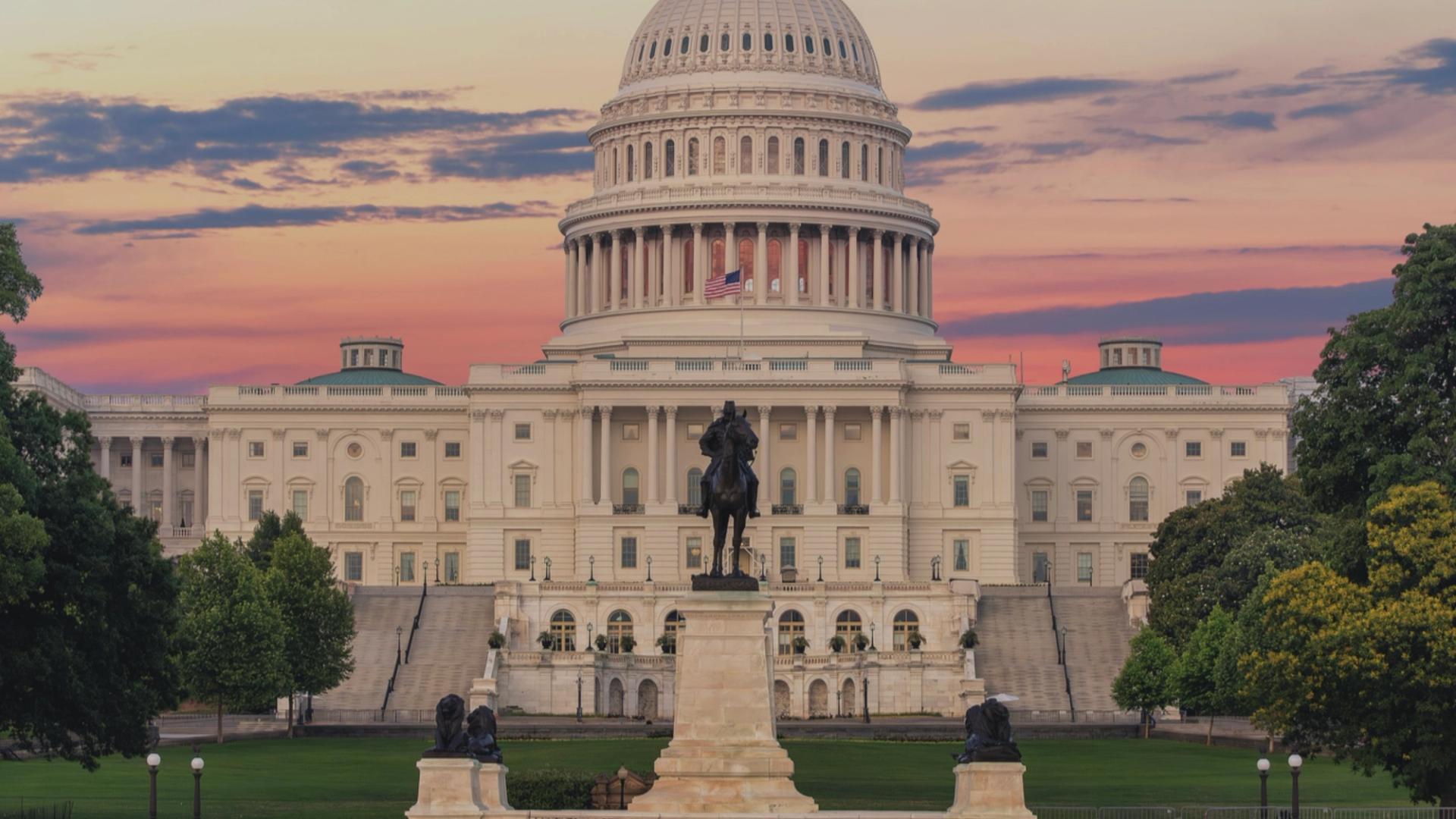
Global liquidity and institutional adoption cycles have become the primary drivers of Bitcoin’s price, effectively insulating the asset from the "total wipeout" many analysts predicted for early 2026. While traders braced for a crash linked to U.S. legislative uncertainty and political friction in Washington, Bitcoin’s resilience proves that the network’s value is now more closely tied to international capital flows than to domestic policy decisions. This shift indicates that the asset has matured into a global macro-economic tool that operates outside the reach of any single government.
Market experts point to a significant transition in 2026 where Bitcoin's correlation with U.S. political drama has reached a multi-year low. Despite aggressive regulatory debates in the U.S. Senate and shifting stances from the executive branch regarding crypto oversight, the influx of liquidity from Asian and European markets has stabilized the floor price. This suggests that the "Washington risk"—which once dominated market headlines—is being diluted by a broader, more diversified global holder base and a steady expansion of the global M2 money supply.
This independence from U.S. political cycles is a critical milestone for Bitcoin’s maturation as a global reserve asset. For investors in 2026, this means that domestic political events—which previously caused double-digit percentage swings—now have a significantly dampened effect on BTC’s valuation. The market is increasingly viewing Bitcoin as a hedge against fiat currency debasement across all major jurisdictions, rather than just a speculative play on American financial policy.
Moving forward, readers should monitor global M2 money supply trends and institutional adoption rates in emerging markets, as these are now the leading indicators for Bitcoin's growth. While U.S. regulation still impacts domestic exchanges and retail sentiment, the broader market’s focus has shifted toward the structural scarcity of the asset and the persistent demand for decentralized collateral in the global financial system. Watch for how Bitcoin reacts to international central bank policies throughout the remainder of 2026 to confirm this decoupling trend.