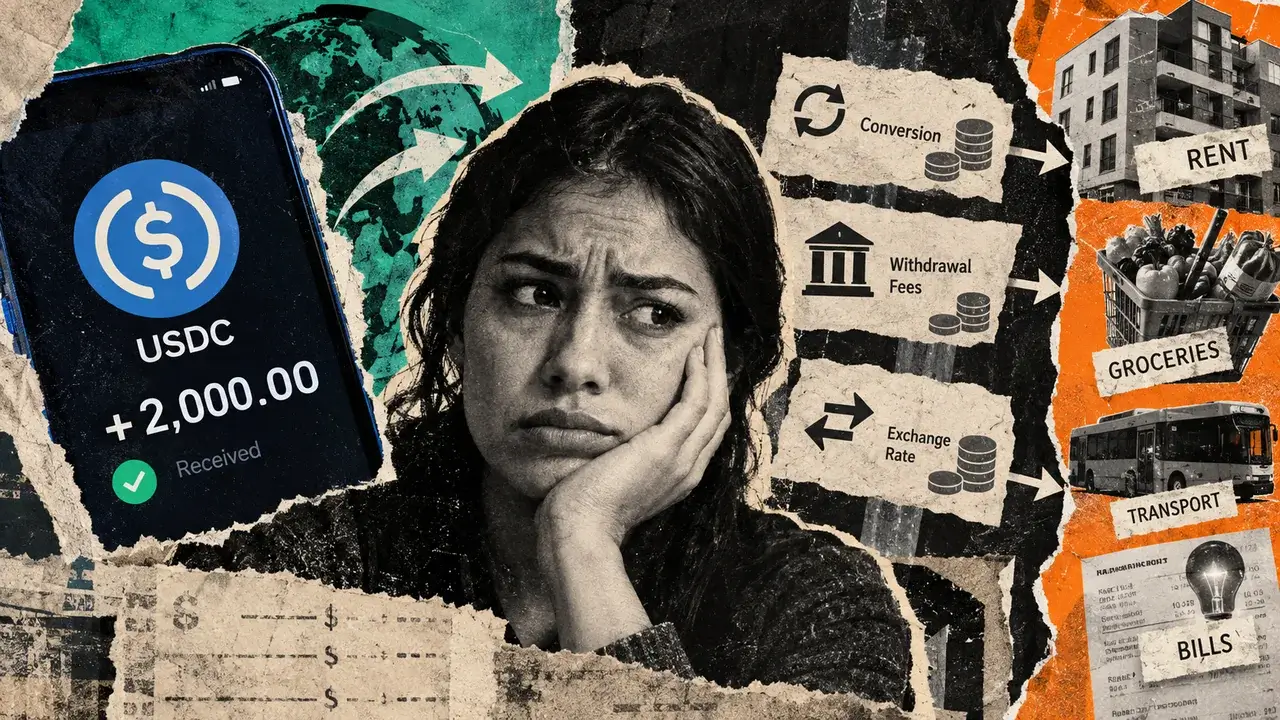
As of early 2026, the primary hidden costs for employees receiving stablecoin salaries are network transaction fees, centralized exchange 'off-ramp' commissions, and bank transfer surcharges. While the initial transfer from an employer's treasury to an employee's wallet is nearly instantaneous, the process of moving those funds into a traditional bank account to pay for non-crypto expenses remains a costly and time-consuming bottleneck. Workers often find that after paying gas fees for the initial move and exchange fees for the conversion to USD, their actual take-home pay is noticeably lower than the gross amount stated on their digital paystub.
The friction arises because most local economies in the United States and Europe still operate on fiat-based banking rails. For a worker to pay a mortgage or buy groceries, they must typically send their USDC or USDT to a gateway provider. In 2026, despite advancements in Layer-2 scaling, these gateways frequently charge 'convenience fees' for instant liquidity. Furthermore, some traditional banks have introduced 'digital asset intake fees' to cover the increased compliance and KYC costs associated with processing transfers from crypto-native entities, further eroding the financial benefits of decentralized wages.
Regulators are increasingly focused on these hidden costs as part of the broader 2026 Stablecoin Transparency Act. US labor advocates are arguing that if an employee is forced to pay a 2% fee just to access their liquid wages, it may constitute a violation of minimum wage protections in certain jurisdictions. This political pressure is pushing the Department of Labor to consider new guidelines that would require employers to either cover the cost of the first monthly off-ramp or provide a fiat-native alternative that ensures 100% of the wage value reaches the worker's bank account.
For the crypto market, this friction is a significant hurdle to the mass adoption of stablecoins like USDC and USDT as genuine mediums of exchange. Investors and developers should watch for the rise of 'closed-loop' stablecoin ecosystems where payroll providers partner directly with major retailers or debit card issuers to bypass the traditional banking system entirely. Until these off-ramp fees are minimized, stablecoin salaries will likely remain a niche preference for crypto-native contractors rather than a mainstream standard for the general workforce.