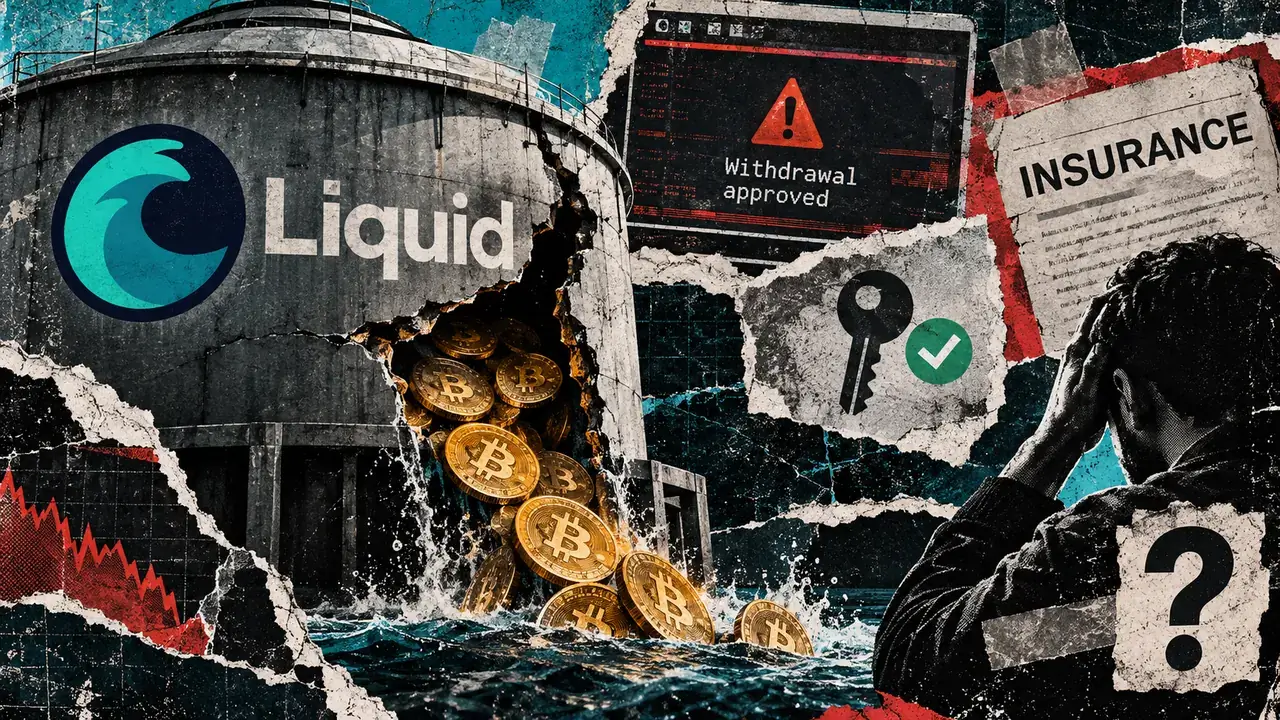
On September 6, 2026, the Liquid Network experienced a critical security failure where approximately 4,000 BTC were withdrawn from its reserves without the underlying private keys being compromised. The theft was facilitated by a software-level error that incorrectly validated a massive withdrawal request, bypassing the standard multi-signature safeguards usually required for such a transaction. Because Liquid operates as a sidechain designed for faster, more private Bitcoin-backed token transfers, the software's failure effectively allowed the attacker to 'unlock' the pegged Bitcoin and move it back to the mainnet.
This incident is particularly alarming for the US-focused crypto market because it demonstrates that 'cold storage' and 'secure key management' are no longer sufficient defense mechanisms against sophisticated protocol-level exploits. While traditional security focuses on preventing unauthorized access to keys, this event proves that logic errors within a bridge or sidechain's automated software can be just as devastating. The Liquid Network's role in institutional settlement means that several large-scale liquidity providers are now facing significant shortfalls as they reconcile their BTC-backed holdings.
From a regulatory perspective, this event is expected to draw immediate scrutiny from the SEC and the CFTC regarding the safety of Layer-2 and sidechain protocols that custody user funds. US lawmakers have already been debating the 'Digital Asset Security Act' of 2026, and this exploit will likely serve as a catalyst for stricter mandatory code audits and insurance requirements for any protocol handling 'wrapped' or 'pegged' versions of major assets like Bitcoin.
Investors and traders should closely monitor the 'peg' stability of L-BTC and other Bitcoin-backed assets in the coming days. If the reserves are not replenished or if the software patch is deemed insufficient by the community, we could see a broader migration of capital away from Bitcoin sidechains and back to the main chain or more established Layer-2 solutions. The focus now shifts to whether the Liquid federation can recover the funds or if a protocol-wide hard fork will be necessary to mitigate the damage.