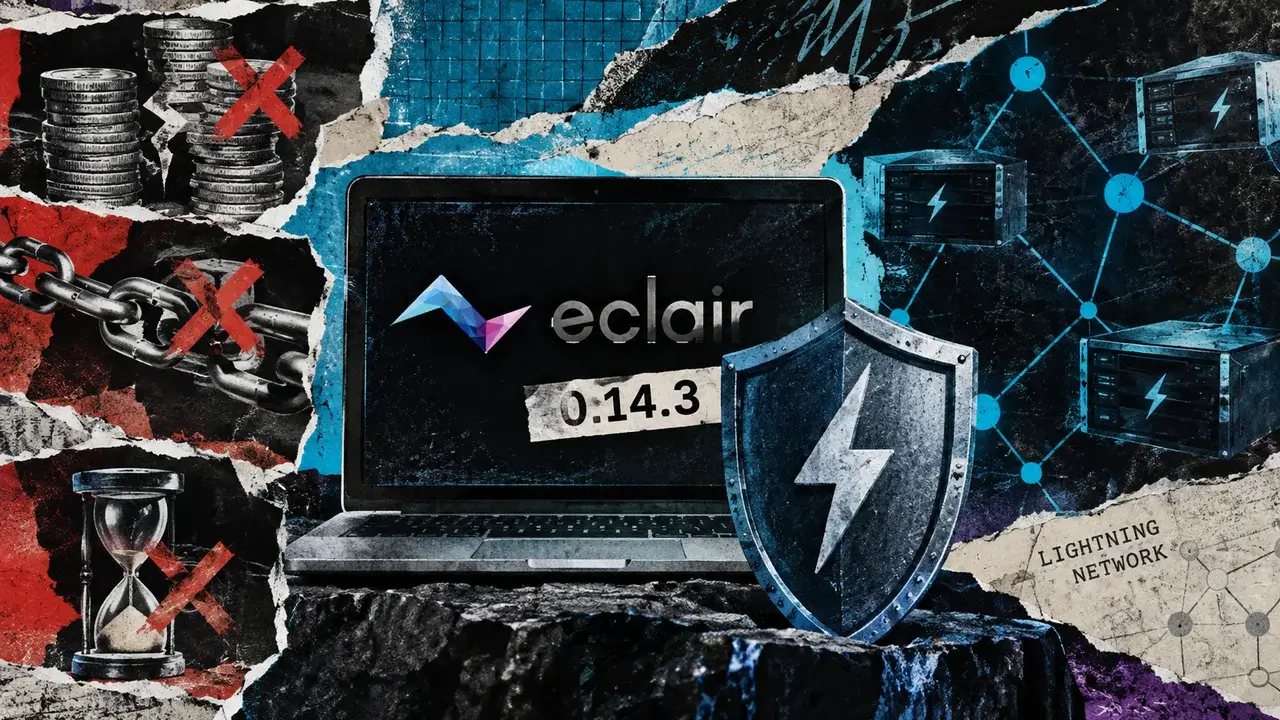
To fix the recently discovered vulnerability in the Bitcoin Lightning Network, node operators using ACINQ implementations must update their software to the latest security-hardened versions released in January 2026. The flaw involves a technical oversight that allows a node’s entire balance to be diverted to Bitcoin miners through manipulated transaction fees during specific channel closure scenarios. ACINQ has confirmed that these emergency security fixes can be applied immediately to active nodes without the need to force-close existing Lightning channels, which preserves liquidity and avoids expensive Layer 1 transaction fees.
The technical nature of the flaw involves an inconsistency in how channel states are verified during the settlement phase of a payment. If exploited, the commitment transaction can be broadcast with an erroneously high fee that consumes the user's entire output, essentially donating the funds to the miner who validates the block. For US-based institutional node operators and liquidity providers, this represents a significant operational risk, as it could lead to the total loss of capital during periods of high network congestion when fee structures are most volatile.
From a market perspective, this discovery highlights the ongoing technical maturity required for Bitcoin's scaling layers to handle mainstream volume. While the availability of a non-disruptive patch is a relief for the DeFi and retail payments ecosystem, the existence of a "balance-to-miner" drain may lead to increased caution among enterprise users. Readers should watch for coordinated security disclosures from other major implementations, such as Lightning Labs (LND) or Blockstream (Core Lightning), to see if the vulnerability extends beyond the ACINQ ecosystem.