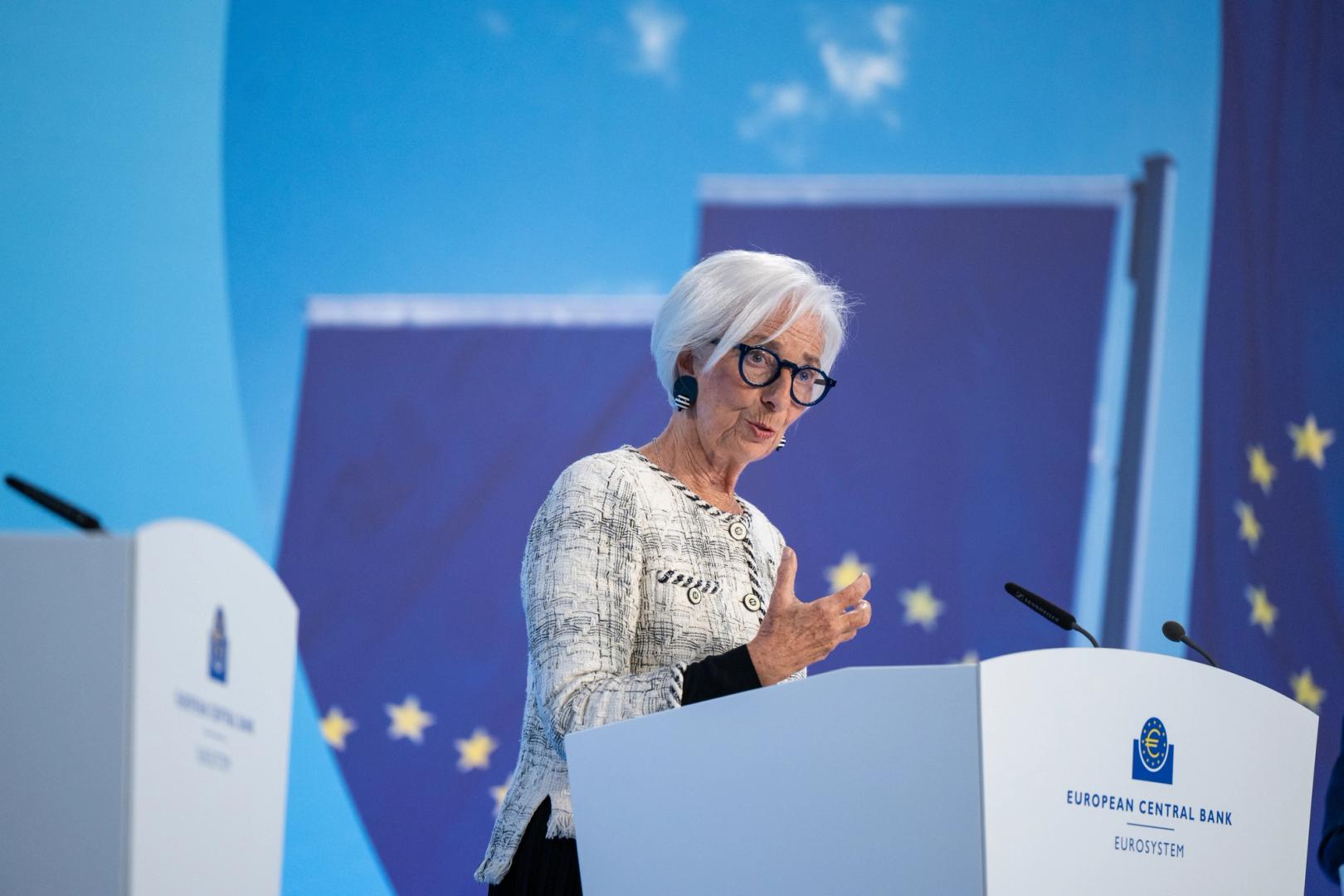
The ECB’s Pontes platform settles wholesale tokenized assets by establishing a direct link between market-led DLT infrastructures and the central bank’s own payment systems. Unlike retail digital currencies, Pontes allows financial institutions to trade and settle tokenized securities using central bank money, ensuring the highest level of liquidity and safety. This deployment marks a major milestone in 2026 for European financial architecture, providing a standardized gateway for banks to interact with on-chain assets without the volatility of private stablecoins.
Technically, Pontes functions as a 'trigger' or 'bridge' mechanism, allowing smart contracts on external blockchains to initiate payments within the Eurosystem’s TARGET services. This architecture is crucial because it keeps the actual settlement within the regulated perimeter of the central bank while leveraging the efficiency of blockchain for asset management. By keeping this wholesale project separate from the retail digital euro pilot scheduled for 2027, the ECB is prioritizing institutional stability and market readiness for the growing Real-World Asset (RWA) sector.
For US-based investors and institutions, this move signals a maturing European market that is increasingly friendly toward tokenization and DLT-based capital markets. The regulatory clarity provided by the EU’s existing frameworks, combined with this new technical rail, positions the Eurozone as a leader in institutional blockchain adoption. While it does not directly utilize public tokens for settlement, the increased movement of assets onto DLT is a long-term catalyst for the broader crypto ecosystem.
Market participants should watch for the volume of sovereign and corporate bonds issued via Pontes-compatible DLTs throughout late 2026. The success of this wholesale initiative will likely dictate how quickly other global central banks, including the Federal Reserve, move toward similar DLT-integrated settlement systems. As institutional trust in on-chain settlement grows, we expect to see a corresponding increase in the valuation of infrastructure-focused blockchain projects.