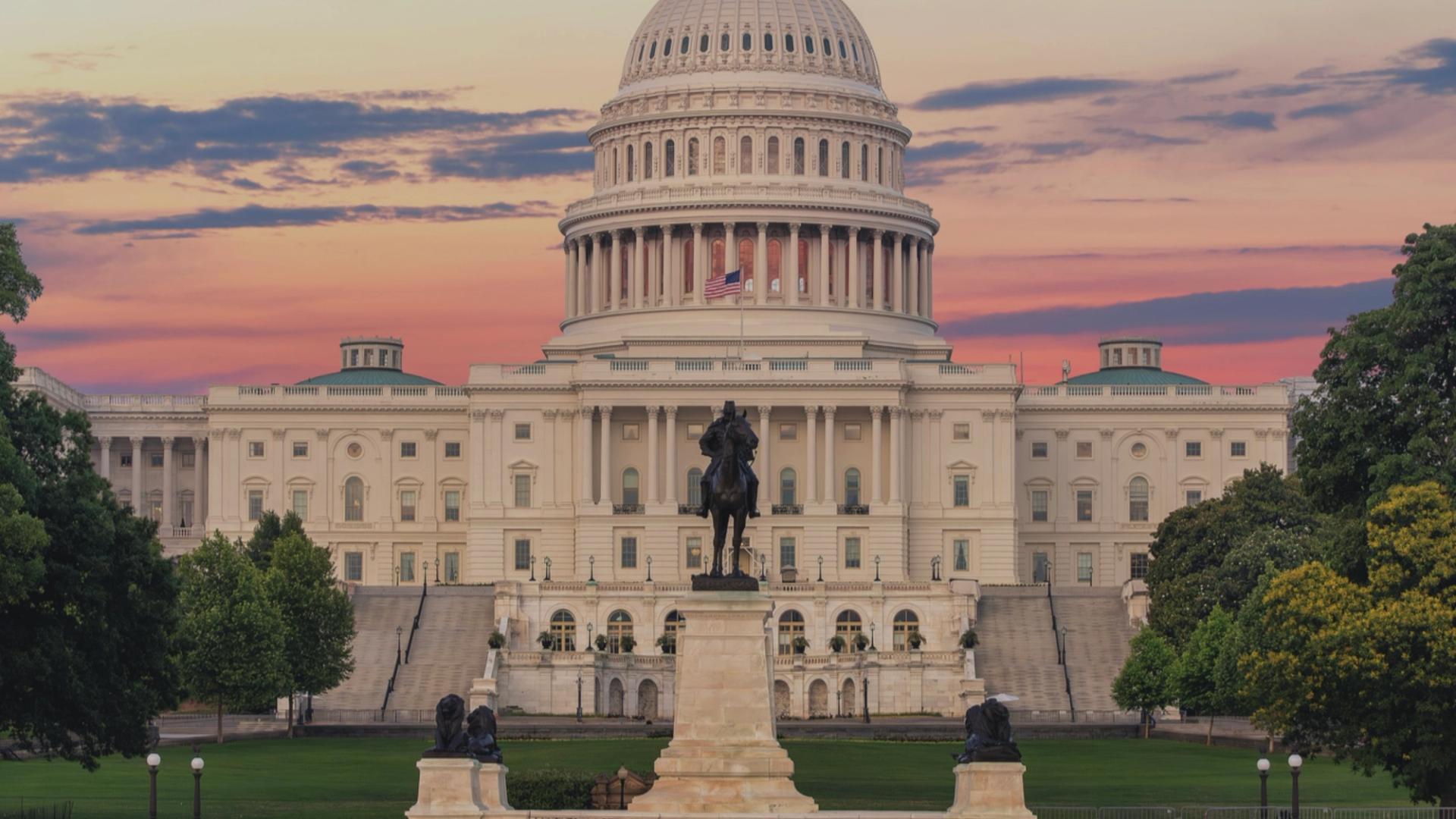
The US Senate's decision to kill the Clarity Act in early 2026 serves as a strategic victory for traditional financial institutions and overseas crypto hubs. By blocking a clear regulatory framework for payment stablecoins, the Senate has effectively stifled the emergence of federally regulated, yield-bearing stablecoins that would have competed directly with low-interest bank savings accounts. Simultaneously, this legislative failure incentivizes US-based crypto firms to migrate their operations to friendlier jurisdictions like Dubai, where regulatory clarity is already a primary competitive advantage.
Opposition to the bill was largely supported by banking lobbyists who argued that stablecoins posed a systemic risk to the traditional financial ecosystem. However, industry analysts suggest the true motivation was preserving the status quo of the fractional reserve system; if consumers could easily swap bank deposits for regulated, interest-bearing stablecoins, banks would face a massive liquidity drain. Without the Clarity Act, the US remains in a cycle of regulation by enforcement, leaving domestic investors with fewer protected options and increasing the market dominance of offshore entities.
For offshore hubs like Dubai’s Virtual Assets Regulatory Authority (VARA), the US legislative gridlock is a major catalyst for economic growth. As American firms face continued uncertainty and the threat of litigation, Dubai has positioned itself as the premier destination for stablecoin issuers seeking a robust, specialized legal structure. This shift not only drains capital from the US market but also poses a long-term challenge to the digital dollar's influence if non-USD pegged stablecoins gain traction in these international markets.
Looking ahead, market participants should watch for potential executive orders or Federal Reserve guidance that may attempt to fill the legislative void. While the banking sector has successfully delayed competition, the lack of a federal standard likely means increased volatility for US-linked stablecoin projects and a continued exodus of blockchain talent to the Middle East and Europe. The immediate impact is a fractured market where US retail users lose access to innovative yield products available elsewhere.