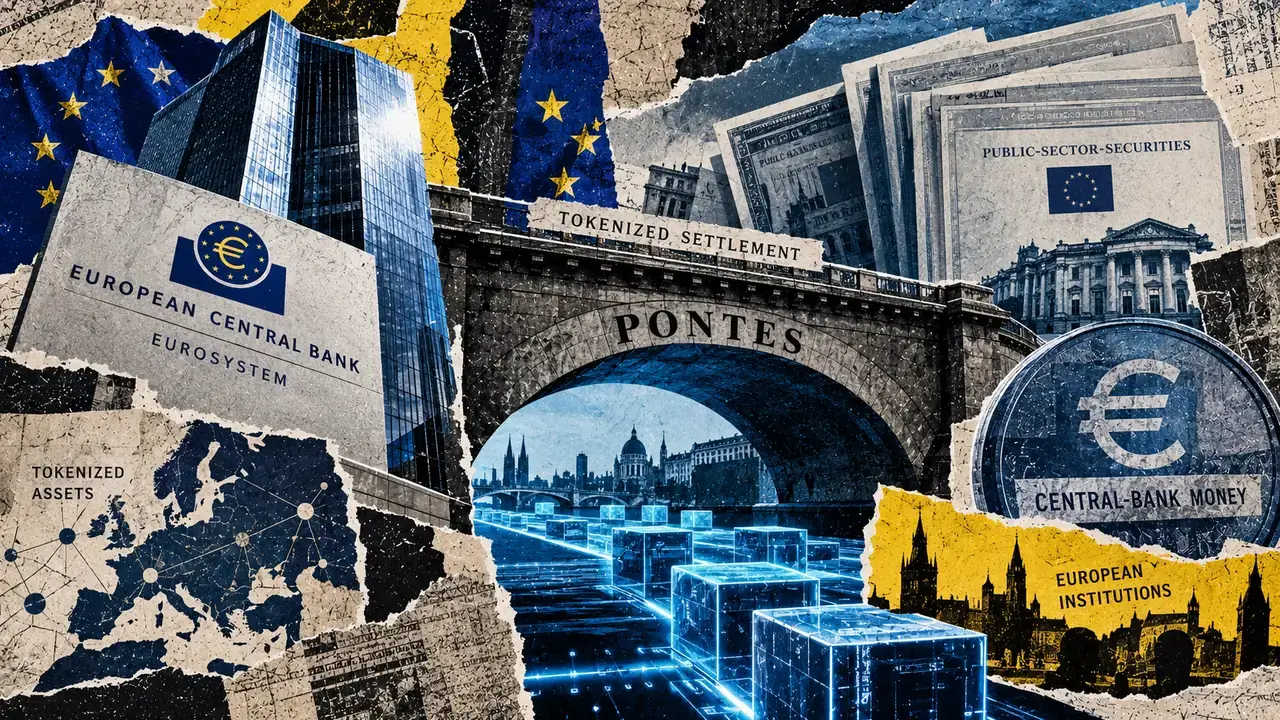
The Eurosystem’s official launch of a wholesale digital euro settlement system in early 2026 marks a significant shift in how European banks handle bond trading and liquidity management. By allowing financial institutions to settle transactions in a central bank-backed digital currency, the ECB is facilitating the seamless purchase and trade of tokenized public-sector securities. This system is designed to reduce settlement times and eliminate the friction and reconciliation hurdles typically associated with legacy interbank financial infrastructure.
Beyond the settlement layer, the ECB has disclosed that it is initiating a strategic investment program into tokenized bonds throughout 2026. While the initial investment size remains undisclosed, the focus is strictly on public-sector securities, signaling a push for governments within the Eurozone to modernize their debt issuance processes. This pilot program serves as a high-stakes sandbox for testing how DLT can handle high-value transactions without compromising the stability of the broader Eurosystem or the sovereignty of the Euro.
This development reflects a broader geopolitical trend as the US and other major economies refine their own institutional digital currency frameworks. For the ECB, the 'digital euro for banks' is both a defensive and offensive maneuver to ensure the Euro remains a dominant settlement currency in a global financial landscape increasingly dominated by programmable finance. Unlike retail CBDCs, which often face public pushback over privacy, this wholesale version is aimed purely at increasing efficiency and security within the interbank market.
For the broader crypto market, this launch validates the underlying technology behind Real World Asset (RWA) tokenization. It provides a clear regulatory and technical roadmap for institutional capital to flow into DLT-based systems. Investors should watch for upcoming reports on the interoperability of this system with private blockchains and whether the ECB will expand the program to include private-sector tokenized bonds by the end of the year.