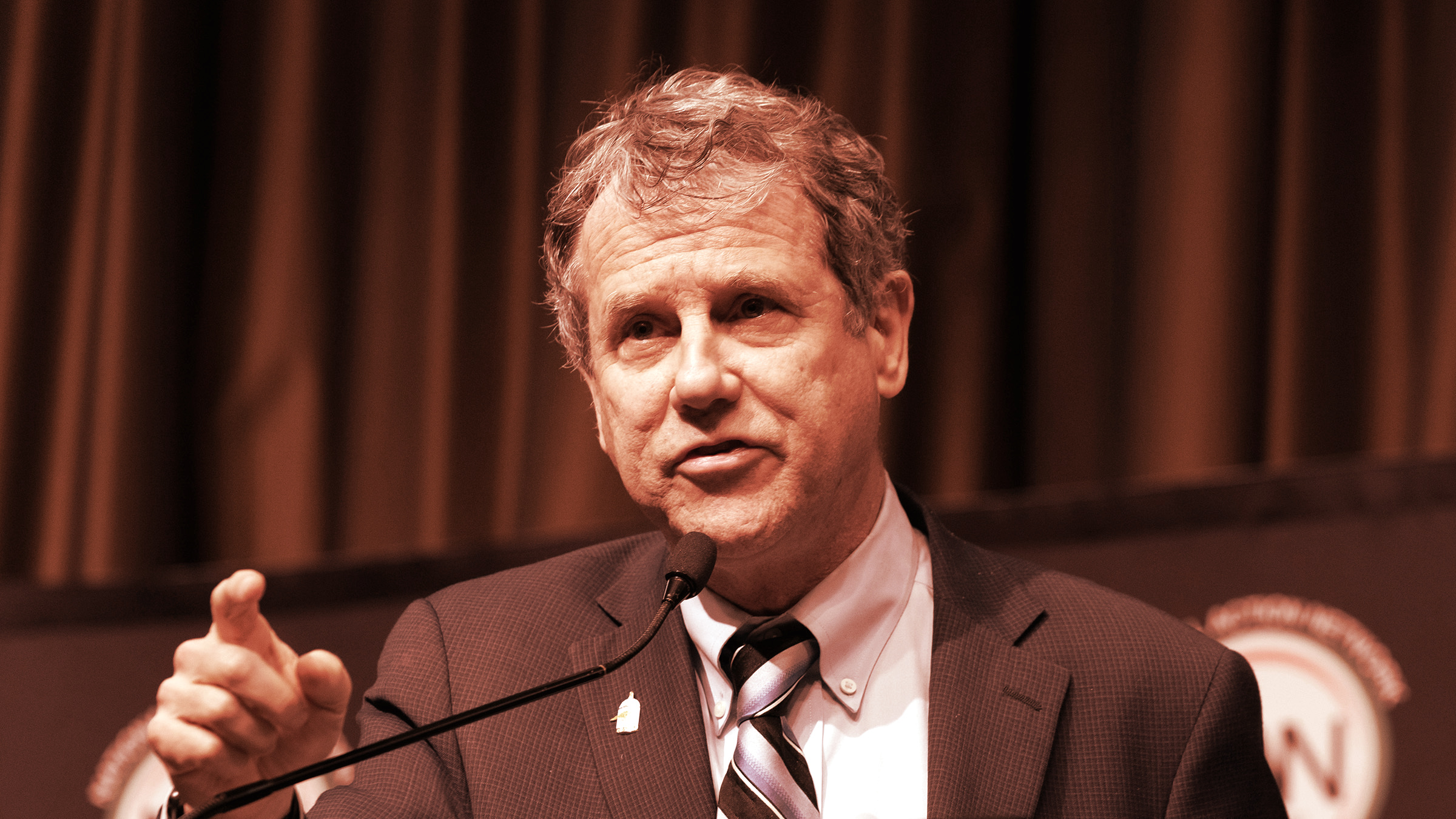
Fairshake, a leading crypto super PAC, is spending $30 million in Ohio to oppose the reelection of Senator Sherrod Brown, the Chairman of the Senate Banking Committee. This aggressive spending follows the recent failure of the Clarity Act in the Senate, a piece of legislation designed to establish a definitive regulatory framework for digital assets in the United States. By targeting one of the industry's most vocal critics, Fairshake aims to shift the balance of power toward a more pro-crypto legislative body in the 2026 election cycle.
The Senate’s block of the Clarity Act was a significant blow to the crypto industry, which has long advocated for clear definitions distinguishing securities from commodities. The bill's failure was largely attributed to opposition from influential committee chairs who favor strict SEC oversight over the growing digital economy. In response, Fairshake has pivoted its resources to the Ohio Senate race, leveraging one of the largest war chests in political action history to influence the outcome of a seat that could determine the committee's future leadership.
This $30 million blitz represents a new phase of political influence for the blockchain sector. Sherrod Brown has historically been a skeptic of decentralized finance, citing risks to consumer protection and financial stability as reasons for maintaining a restrictive regulatory environment. His role as Banking Committee Chair gives him significant power to stall or advance crypto-related bills. The industry’s decision to target him specifically underscores the perception that regulatory progress is currently gatekept by a handful of senior lawmakers.
While the immediate impact on major assets like Bitcoin and Ethereum remains neutral, the long-term sentiment among institutional investors is tied to the success of such political maneuvers. A change in the Senate Banking Committee's leadership could pave the way for a reintroduced Clarity Act or similar market structure bills in 2027. Investors should watch Ohio polling data and further spending announcements from Fairshake, as these will indicate the industry's likelihood of securing a favorable legislative environment in the coming session.