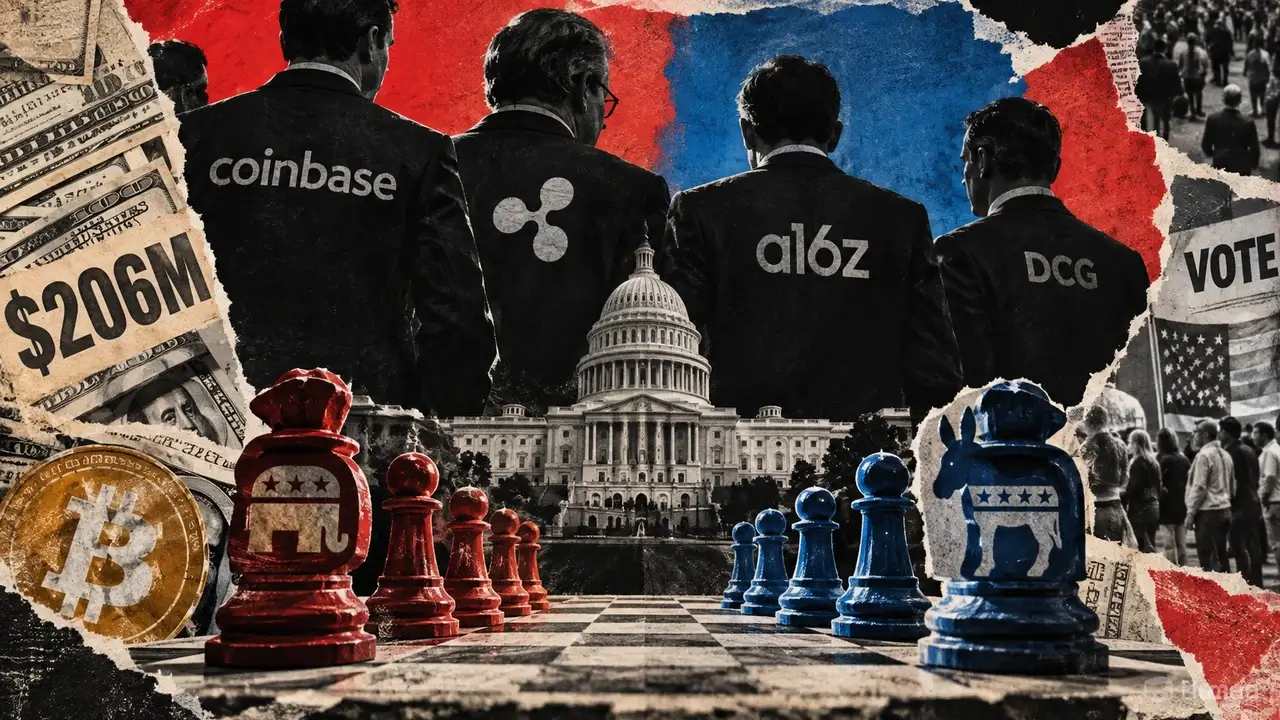
According to an analysis by Public Citizen released on August 27, 2026, crypto corporations contributed $206 million to political action committees (PACs) through the second quarter of the 2026 midterm cycle. This massive influx of capital has officially established the digital asset industry as the largest disclosed corporate donor sector in the United States, surpassing traditional heavyweight sectors like finance, insurance, and energy. The data, pulled from Federal Election Commission (FEC) records, highlights a sophisticated political machine designed to secure a seat at the table for upcoming legislative debates.
The surge in donations is primarily directed toward super PACs and hybrid PACs, which are permitted to raise unlimited sums to support or oppose political candidates. While the $206 million figure reflects total contributions, analysts are still tracking the granular distribution of these funds to determine exactly which candidates are receiving the most significant backing. The primary vehicle for this spending remains focused on ensuring that both major parties feel the pressure to adopt crypto-friendly platforms ahead of the November elections.
This political movement matters because it directly correlates with the industry's desire for a clearer regulatory framework. By funding the 2026 midterm campaigns, firms are looking to influence the makeup of key committees that oversee the SEC and CFTC. The goal is to move beyond the "regulation by enforcement" era and pass comprehensive market structure bills that could provide legal certainty for stablecoin issuers and centralized exchanges operating within the United States.
Investors and market participants should watch the final stretch of the 2026 campaign season to see how this capital is deployed in swing-state Senate races. The success of this $206 million investment will be measured by whether the next Congress prioritizes the Financial Innovation and Technology for the 21st Century Act or similar pro-crypto legislation. A shift toward a more receptive legislative body could significantly reduce the jurisdictional risks currently weighing on the domestic digital asset market.