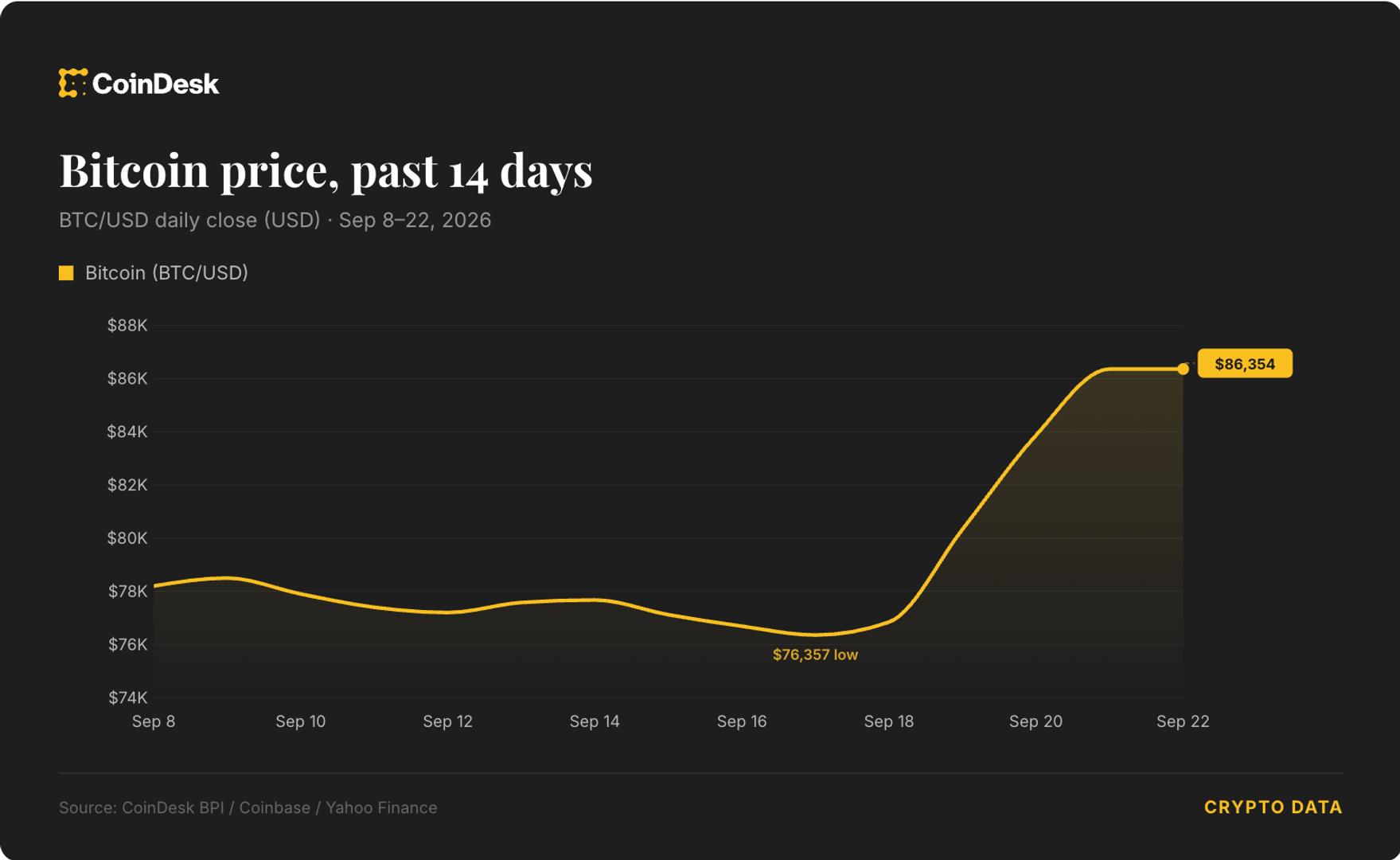
Bitcoin's resilience at the $86,000 level amid falling oil prices indicates a maturing market that is increasingly decoupling from immediate energy supply shocks. While the signaled reopening of the Strait of Hormuz by Iranian officials has led WTI crude to drop to $89, crypto investors are viewing the de-escalation as a positive sign for global liquidity rather than a reason to sell off risk assets. The market’s ability to hold this price floor suggests that the 2026 bull run is built on broader institutional adoption rather than temporary geopolitical fear.
The Strait of Hormuz is a critical artery for global energy, and its potential reopening within the next seven days marks a significant shift in the 2026 geopolitical landscape. Earlier closures had spiked global inflation fears, but the current signals of de-escalation are cooling the energy markets. For Bitcoin, which has faced a volatile start to the year, holding the $86,000 mark is a technical milestone that reflects a preference for digital assets as energy-related macro risks subside.
The drop in WTI crude to $89 reduces immediate pressure on global transport and production costs, which historically supports a 'risk-on' sentiment in US equity and crypto markets. If the reopening proceeds without friction, the resulting decrease in inflationary pressure could provide the Federal Reserve with more room to maintain stable interest rates throughout the second quarter of 2026. This macroeconomic backdrop is fundamentally supportive for Bitcoin’s valuation, as it lowers the hurdle for speculative capital to enter the market.
Investors should closely monitor the actual movement of oil tankers over the next seven days to confirm Iran’s compliance with its signals. Any delay or renewed friction in the channel could reintroduce volatility into both the energy and crypto sectors. For Bitcoin specifically, the $86,500 resistance level remains the next major target; a clean break above this could signal a move toward new 2026 highs, whereas a failure to hold the $85,000 support could lead to a brief retest of the $82,000 zone.