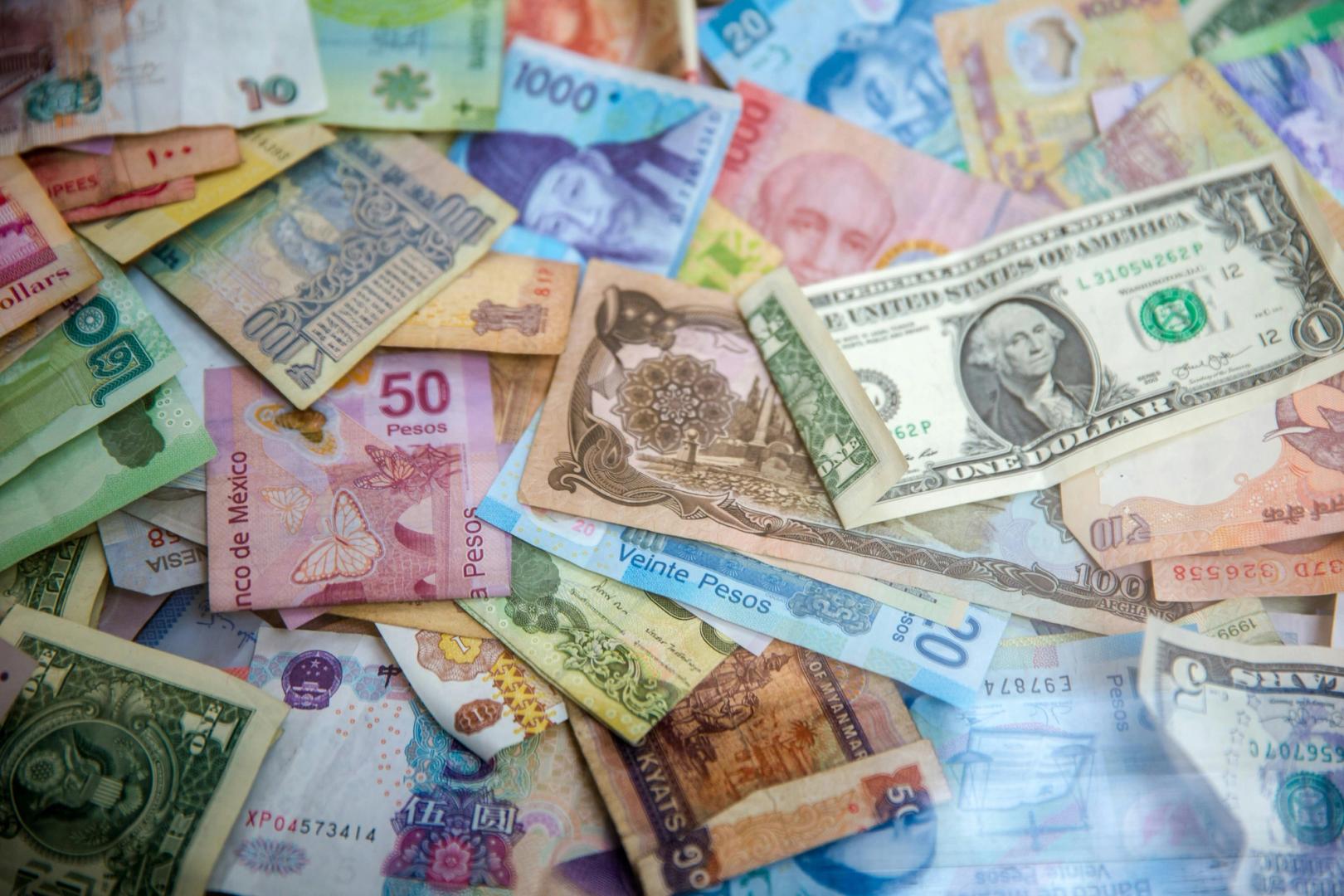
Reap is utilizing non-USD stablecoins to provide a continuous, 24/7 settlement layer for foreign exchange (FX) transactions, effectively bypassing the constraints of the traditional correspondent banking system. By launching a Mexican peso-backed stablecoin and exploring tokens for the Hong Kong dollar, Euro, Won, and Yen, Reap allows businesses to settle international obligations instantly, even when legacy banks are closed. This approach solves the efficiency gap in cross-border payments where liquidity is often trapped in regional currencies over weekends and holidays.
Backed by Payward (the parent company of Kraken), Reap’s strategy focuses on deep liquidity corridors that do not rely exclusively on the U.S. dollar. While USD-pegged stablecoins currently dominate the market, they often require an additional conversion step for businesses operating in emerging markets. By moving directly into local-currency stablecoins, Reap enables firms to maintain their value in the destination currency, mitigating the volatility risks associated with holding USD during the settlement window.
From a regulatory and geopolitical standpoint, this move aligns with the growing maturity of stablecoin frameworks outside the United States. The exploration of HKD and EUR tokens follows clear licensing progress in Hong Kong and the European Union, providing a compliant pathway for institutional adoption. For US-based enterprises, these non-USD rails offer a diversified treasury strategy, allowing them to engage in global commerce without being solely dependent on the domestic banking infrastructure or U.S. dollar liquidity fluctuations.
Market participants should watch for the successful deployment of the Mexican peso token as a bellwether for Reap's expansion. The ability to maintain high liquidity in these non-USD pairs will be the primary challenge. If successful, this model could trigger a broader migration of corporate FX volume away from traditional SWIFT-based rails and into blockchain-native settlement layers, particularly in the high-volume trade routes between North America, Asia, and Europe.