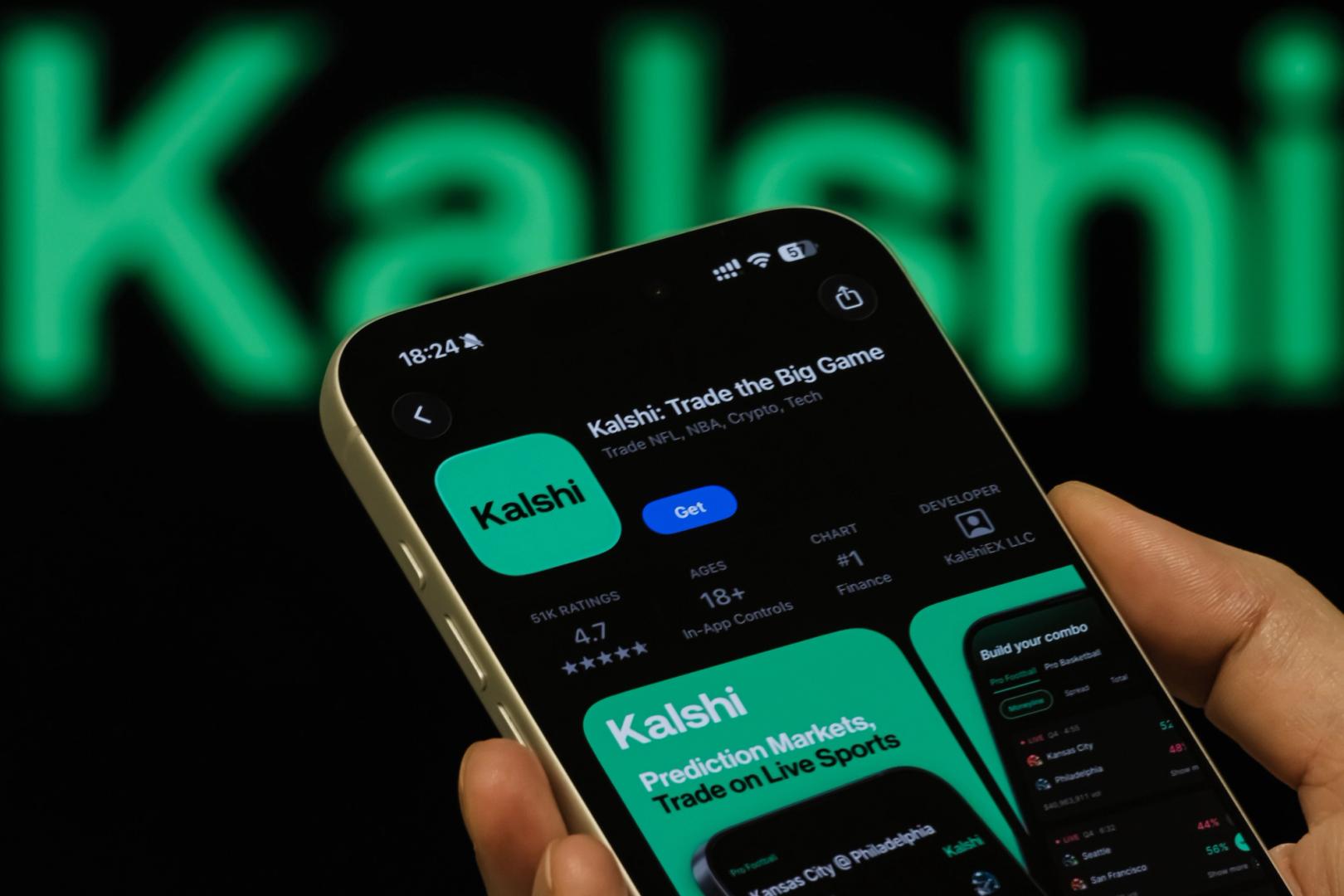
A significant portion of the trading volume on Kalshi’s Ethereum perpetual markets is being driven by a single, repetitive trade size of $5,499, which accounts for 57% of sampled activity in 2026. Similarly, Bitcoin perpetual contracts on the platform are seeing 54% of their volume stem from recurring trade sizes of $2,500 and $5,000. These findings indicate that while Kalshi’s foray into US-regulated crypto derivatives shows high headline numbers, the underlying liquidity is highly concentrated among a few specific automated participants.
This trend highlights a pivot in the 2026 US crypto derivatives landscape, where regulated exchanges are aggressively vying for market share against offshore giants. The presence of such uniform trade sizes often points to the work of designated market makers or institutional algorithms designed to maintain constant bid-ask spreads. However, for the average US trader, this concentration means that the perceived 'depth' of the market may be less robust than total volume figures suggest, potentially leading to slippage for trades that fall outside these specific price points.
From a regulatory perspective, the Commodity Futures Trading Commission (CFTC) maintains strict oversight of Kalshi’s operations. While repetitive algorithmic trading is a standard feature of modern financial markets, the extreme dominance of fixed trade sizes can sometimes trigger investigations into wash trading or volume inflation. Investors should be aware that if these specific liquidity providers were to reduce their activity, the volatility of Kalshi’s perpetual contracts could increase significantly due to the lack of diverse, organic order flow.
Moving forward through the second half of 2026, market participants should watch for a diversification of trade sizes on Kalshi as a sign of healthy retail adoption. If the $5,499 and $5,000 patterns persist without broader participation, the platform may face challenges in establishing itself as a primary venue for price discovery. Monitoring CFTC filings for any updates on market-making incentives or platform audits will be crucial for those trading these specific instruments.