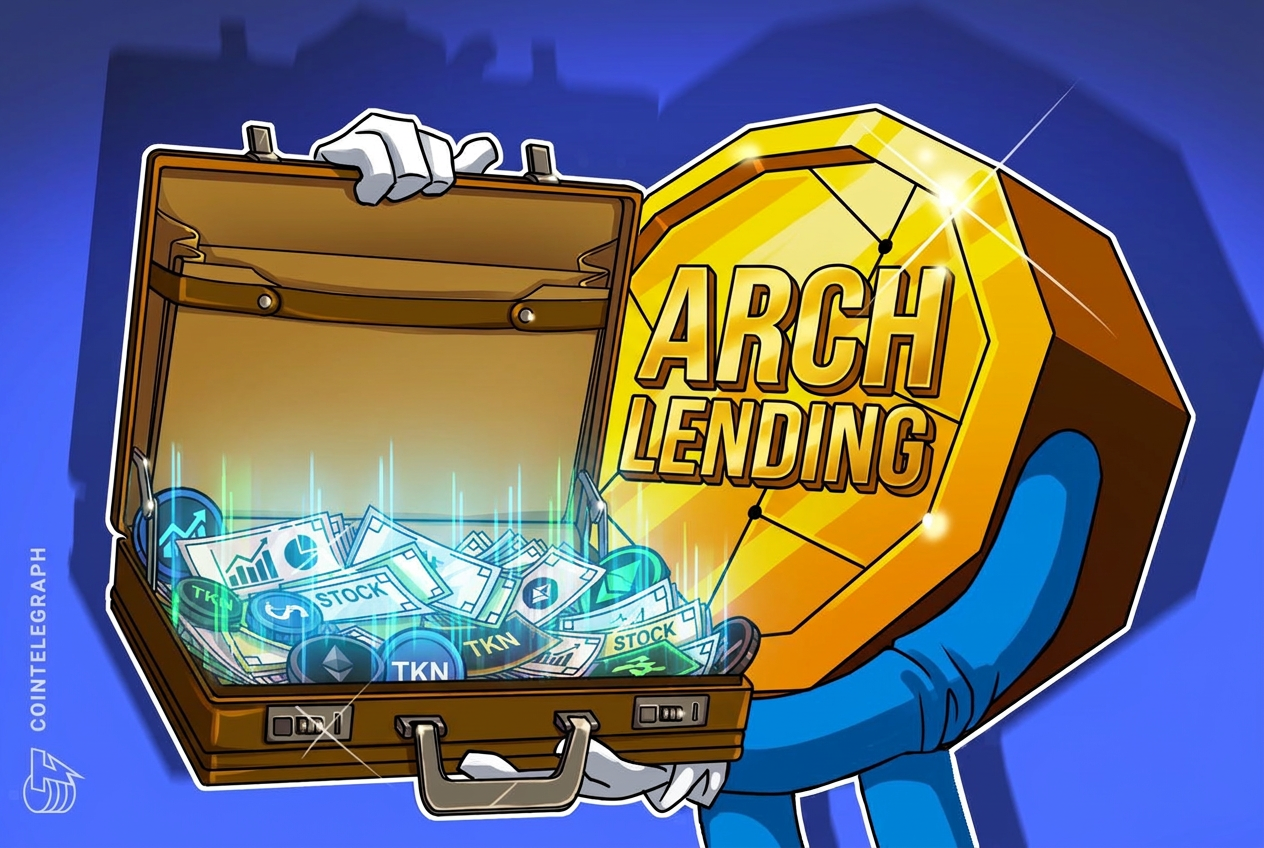
Arch Lending plans to integrate tokenized stocks as a primary form of loan collateral throughout 2026 to meet the growing demand for Real World Asset (RWA) utility. According to Himanshu Sahay, speaking on the Chain Reaction podcast, the lender is positioning itself to support on-chain equities as they gain mainstream traction. By allowing users to pledge tokenized shares of public companies, Arch Lending provides a way for investors to access capital while maintaining exposure to the equity markets.
The initiative follows a surge in institutional interest in tokenization, where traditional securities are mirrored on blockchain networks for faster settlement and increased transparency. Sahay emphasized that as the infrastructure for tokenized securities matures, the ability to use these assets as productive collateral becomes the next logical step for the lending market. This shift is expected to attract a new demographic of sophisticated investors who seek to utilize their existing stock holdings within the decentralized finance ecosystem.
From a regulatory standpoint, this expansion reflects the evolving US landscape regarding digital securities. While tokenized stocks remain under scrutiny, the move by platforms like Arch Lending suggests a growing confidence in compliant RWA frameworks. Market analysts believe that using equities as collateral could provide a more stable foundation for the lending sector compared to the high volatility often associated with pure-play cryptocurrency collateral like meme coins or small-cap tokens.
Moving forward, market participants should watch for specific announcements regarding which equity tokens will be supported and the platform's partnership with licensed tokenization providers. The successful rollout of this feature may prompt other major DeFi protocols to integrate similar RWA-backed lending products, potentially driving billions in traditional market value onto the blockchain. Investors should also monitor how this affects liquidations, as equity markets have different trading hours and volatility profiles than 24/7 crypto markets.