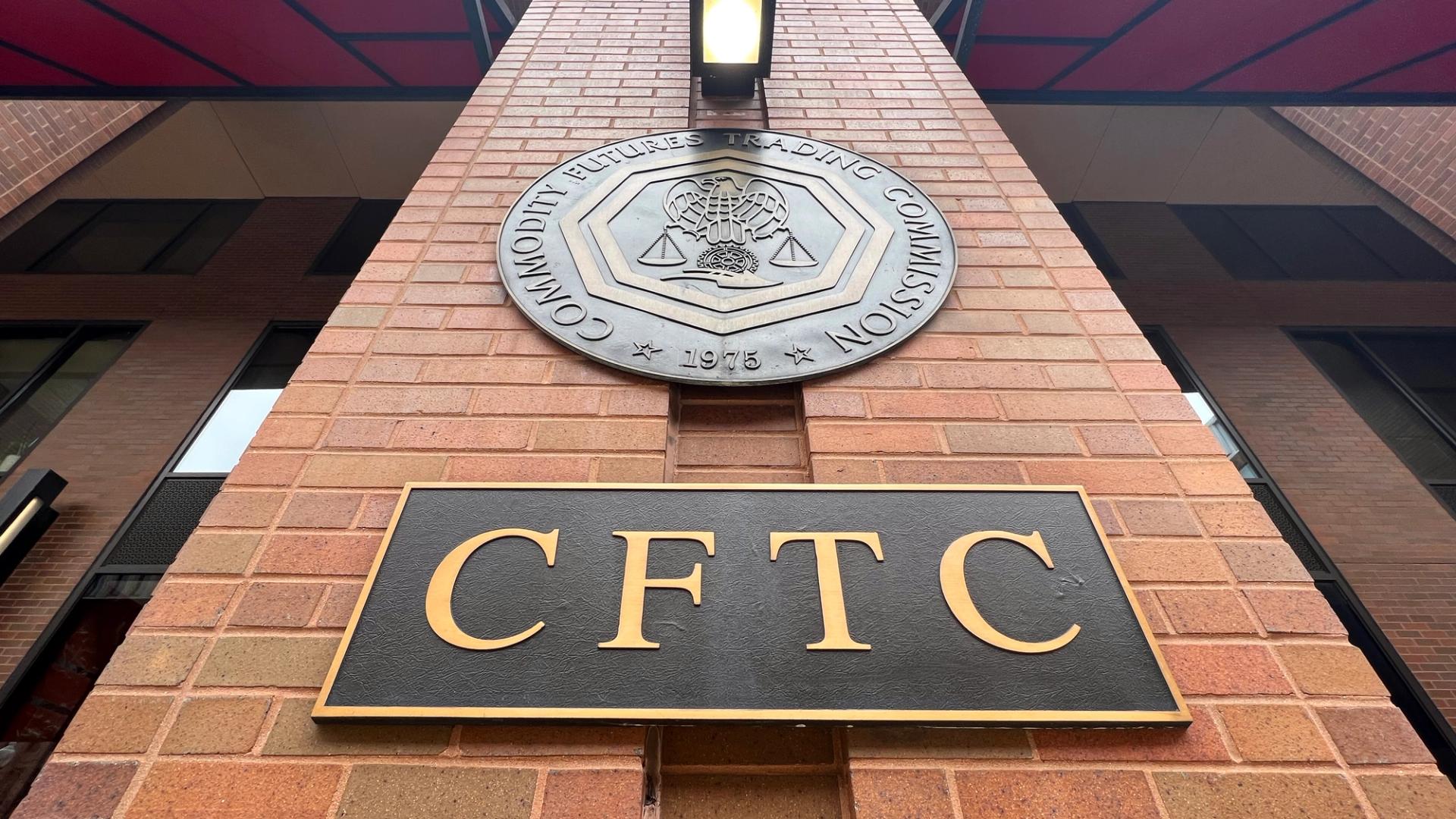
The Commodity Futures Trading Commission (CFTC) issued a formal advisory in early 2026 highlighting specific integrity risks associated with prediction markets tied to individual behavior. The regulator warned that these 'mention markets'—where users bet on whether a public figure will say a specific phrase or perform a certain action—are uniquely vulnerable to manipulation. Because the subject of the bet has total control over the outcome, these markets invite insider trading and 'cheating' that traditional commodity markets do not face, potentially leaving retail participants at a severe disadvantage.
This regulatory move follows a surge in popularity for niche betting categories on decentralized and centralized prediction platforms throughout the start of the year. The CFTC expressed concern that individuals, or those close to them, could place large bets and then intentionally alter their public behavior to trigger a specific payout. This advisory signals that the agency is closely watching how these platforms manage conflicts of interest and whether they are providing adequate disclosures to U.S.-based users who participate in these speculative contracts.
For the crypto-adjacent prediction market sector, this advisory suggests that stricter enforcement or new rulemaking could be on the horizon. Platforms that host behavior-based markets may be forced to delist certain categories or implement rigorous monitoring systems to prevent 'behavior manipulation.' While the advisory does not ban these markets outright, it shifts the burden of proof to the platforms to ensure their markets are not being gamed by the very people they track, which could significantly increase operational costs for DeFi protocols.
Investors and platform users should watch for immediate responses from major prediction markets regarding their listing criteria for behavior-based contracts. Additionally, legal experts anticipate that the CFTC may use this advisory as a foundation for enforcement actions against platforms that fail to police 'mention markets' effectively. As major cultural and political events approach in 2026, the tension between speculative innovation and consumer protection in these markets is expected to intensify.