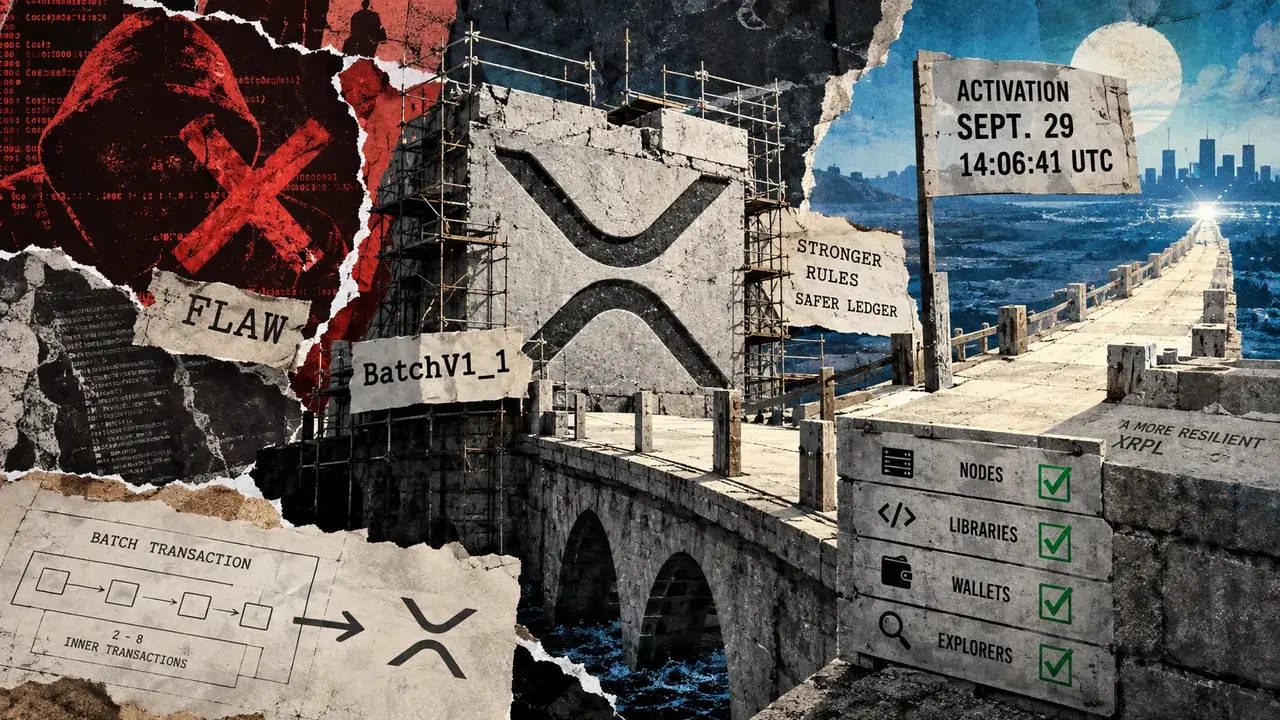
The recent repair of the XRPL signer gap amendment directly secures the core protocol by ensuring that multi-signature transactions are validated correctly at the consensus level. By closing this pre-mainnet flaw, the developers have prevented a vulnerability that could have allowed signatures to be bypassed or incorrectly weighed during the transaction lifecycle. However, the fix currently only applies to the nodes themselves, leaving a critical gap in the 'production test' phase for the surrounding ecosystem.
Because the protocol has changed, client-facing applications—specifically non-custodial wallets and block explorers—must now undergo significant updates to align with the repaired logic. If a wallet provider fails to update its client-side validation code, users could potentially see misleading transaction statuses or experience failures when attempting to use multi-sig features. This transition period marks a high-risk window for the XRP community, as the protocol is secure but the interfaces used to interact with it are still catching up.
From a regulatory perspective in 2026, this event underscores the growing pressure from US authorities for blockchain protocols to demonstrate 'resilience by design' before reaching retail markets. As the SEC and CFTC continue to refine their oversight of decentralized infrastructure, the proactive identification and patching of this signer gap may serve as a positive example of self-regulation, provided the client-side migration is handled without user fund loss.
Market participants should view this as a necessary hurdle for XRPL’s long-term stability rather than a failure of the network. While the news creates short-term friction, a protocol-level fix for such a critical flaw is a bullish signal for the network's technical maturity. Investors and users should watch for official update announcements from major wallet providers like Xaman and hardware manufacturers to ensure their local software is compatible with the latest XRPL amendments.