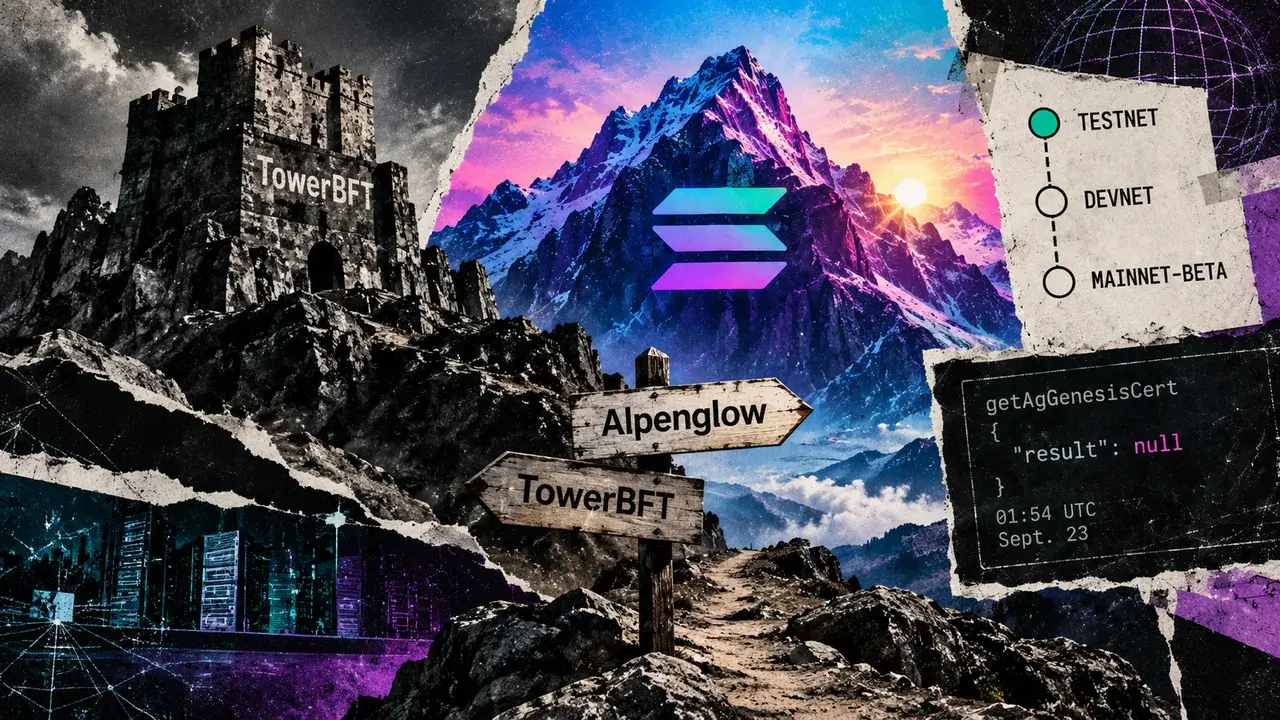
Solana's Alpenglow upgrade is a critical protocol enhancement deployed by the developer group Anza, aimed at refining the network's consensus mechanisms and overall throughput. Currently in the testnet phase, the upgrade serves as a essential verification step before a full mainnet launch scheduled for later in 2026. As the rollout progresses, the market has responded favorably, with the SOL token rallying to retest price levels established during the early January 2026 peak.
Technical data from the live feature tracker shows that while the rollout process has begun, the final consensus handoff—a vital transition where the new protocol rules take effect—has not yet been fully completed. Anza is closely monitoring genesis-certificate checks to ensure validator synchronization remains stable. This methodical approach is designed to prevent the network outages that occasionally plagued the ecosystem in previous years, signaling a more mature infrastructure era for Solana.
From a market perspective, the move to testnet has acted as a significant catalyst for SOL. The token is currently approaching a breakout above its January resistance, bolstered by the community's confidence in Anza’s technical roadmap. Analysts note that Solana's ability to ship complex upgrades like Alpenglow while maintaining high transaction volumes is helping it retain its position as a leading smart contract platform against competing Layer 1 blockchains.
Looking ahead, investors and developers should watch for the official completion of the consensus handoff on the testnet, which will dictate the timeline for the mainnet migration. A successful deployment without technical friction will likely solidify SOL’s price floor and could lead to increased institutional adoption. Furthermore, the Alpenglow upgrade is expected to provide better support for high-frequency DeFi applications, potentially sparking a new wave of capital inflow into the Solana ecosystem.