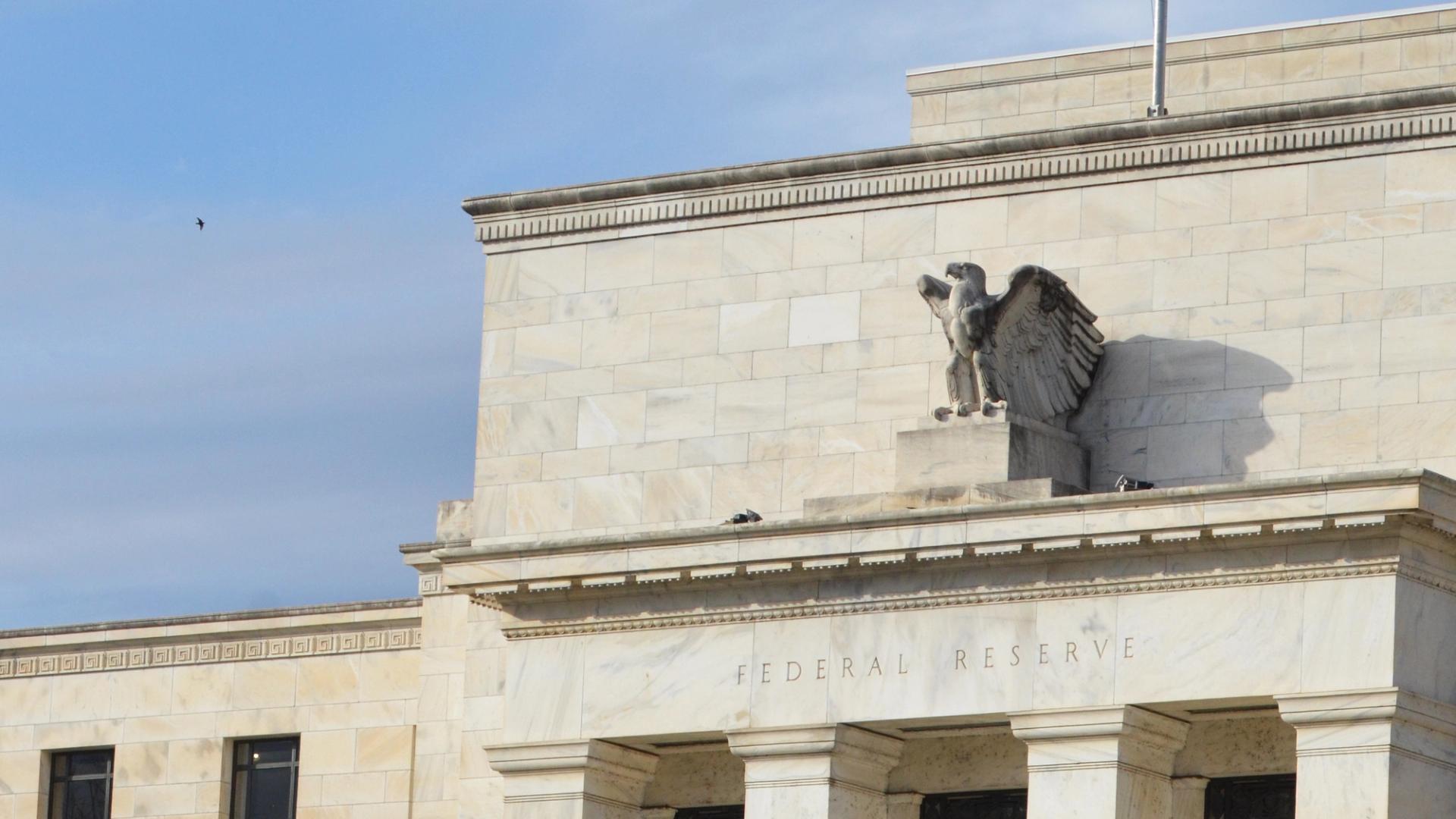
The Federal Reserve’s new rule proposals for the GENIUS Act establish a clear regulatory pathway for stablecoin yield programs by treating them as regulated financial products. Under these proposed rules, any stablecoin issuer offering interest or yield-bearing features to U.S. customers must adhere to rigorous disclosure requirements, liquidity mandates, and federal oversight. This move effectively signals the end of the unregulated era for stablecoin rewards in the United States, bringing these products under the direct purview of central bank regulators to ensure consumer protection and systemic stability.
The GENIUS Act, which gained momentum in late 2025, was designed to address the systemic risks posed by unregulated stablecoins that function similarly to money market funds. The Fed's latest implementation moves focus specifically on the mechanics of how yield is generated and distributed. Regulators are prioritizing the transparency of the underlying collateral, aiming to prevent the liquidity mismatches that led to previous market collapses. By formalizing these rules, the Fed is creating a legal template for what could eventually become regulated "digital cash" accounts.
For the broader crypto market, this regulation is a double-edged sword. While it provides the legal clarity necessary to attract significant institutional capital, the high compliance costs may force smaller DeFi protocols and niche stablecoin issuers out of the U.S. market. Geopolitically, this move asserts U.S. dominance over USD-pegged assets, potentially forcing offshore issuers to choose between conforming to Fed standards or losing access to the U.S. financial system entirely.
Looking ahead, investors should closely monitor the upcoming public comment period, where major industry players like Circle and Paxos are expected to advocate for specific technical exemptions. The finalization of these rules, expected later in 2026, will likely determine which stablecoins remain available for U.S. retail users. Furthermore, the market should watch for potential jurisdictional friction if the SEC attempts to classify these yield-bearing assets as securities alongside the Fed's banking-style regulations.