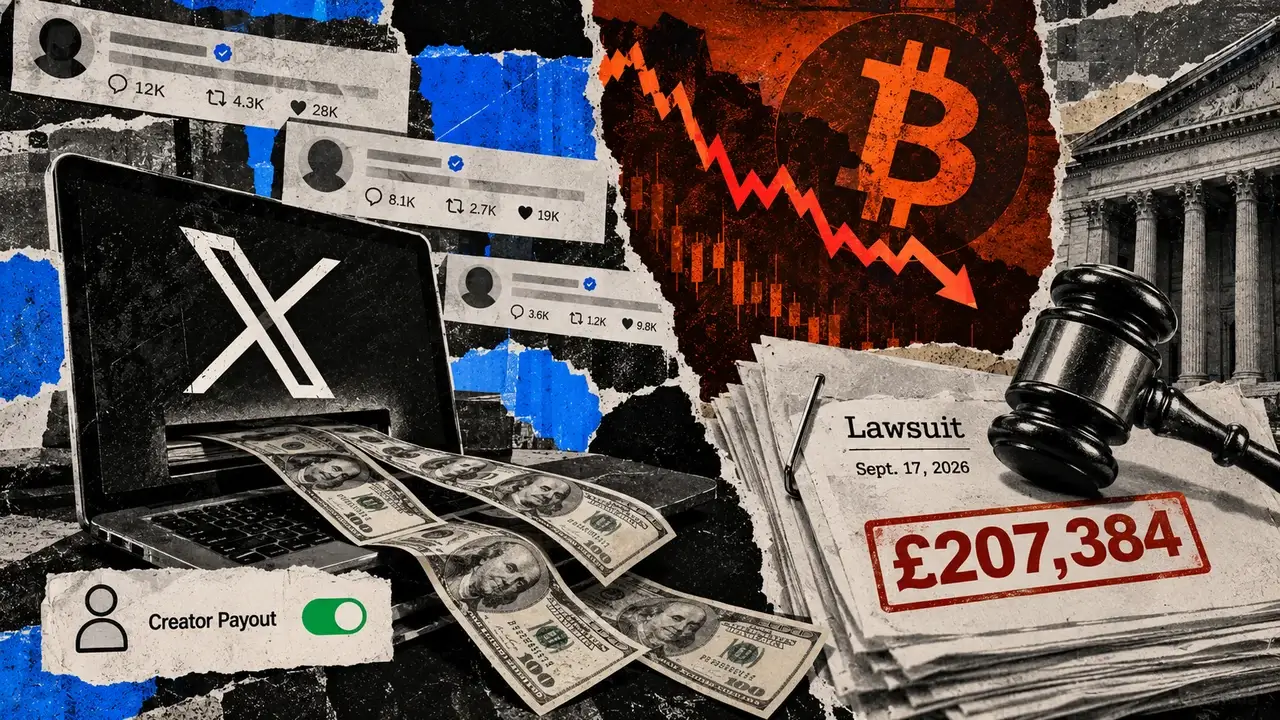
X (formerly Twitter) is suing several individuals, including Vivek Kumar Sen, for allegedly exploiting the platform’s revenue-sharing program through deceptive Bitcoin-related posts. The lawsuit, filed in September 2026, seeks to claw back £207,384 (approximately $270,000) that X claims was generated through 'inorganic' engagement and automated tactics designed to game the site's algorithm. By flooding the platform with high-frequency crypto content, the defendants are accused of artificially inflating their share of ad revenue at the expense of genuine creators.
The legal filing details how these users allegedly used coordinated bot networks and engagement pods to amplify posts regarding Bitcoin price movements and market sentiment. This practice, often referred to as 'engagement farming,' has become a significant issue for X as it attempts to maintain advertiser trust. The company alleges that this behavior constitutes a breach of contract and platform manipulation, as the earnings were not derived from authentic user interactions but from systematic exploitation of the monetization system.
This litigation comes at a time of increased regulatory scrutiny over social media’s role in financial markets. In 2026, US regulators have grown more aggressive in monitoring how digital assets are promoted to retail investors. By taking legal action, X is signaling a zero-tolerance policy for influencers who use deceptive tactics to profit from the crypto community's enthusiasm. This move may be a preemptive attempt to satisfy federal guidelines regarding the prevention of financial misinformation on social platforms.
For the broader crypto market, this case highlights a growing divide between authentic analysis and bot-driven hype. If X is successful in its lawsuit, it could lead to a massive wave of account suspensions and revenue clawbacks across the 'Crypto Twitter' ecosystem. Investors and content creators should watch for updates on the Sen case, as it will likely establish the legal definition of 'inorganic engagement' and set a precedent for how other major platforms like Meta or YouTube handle crypto-focused monetization in the future.