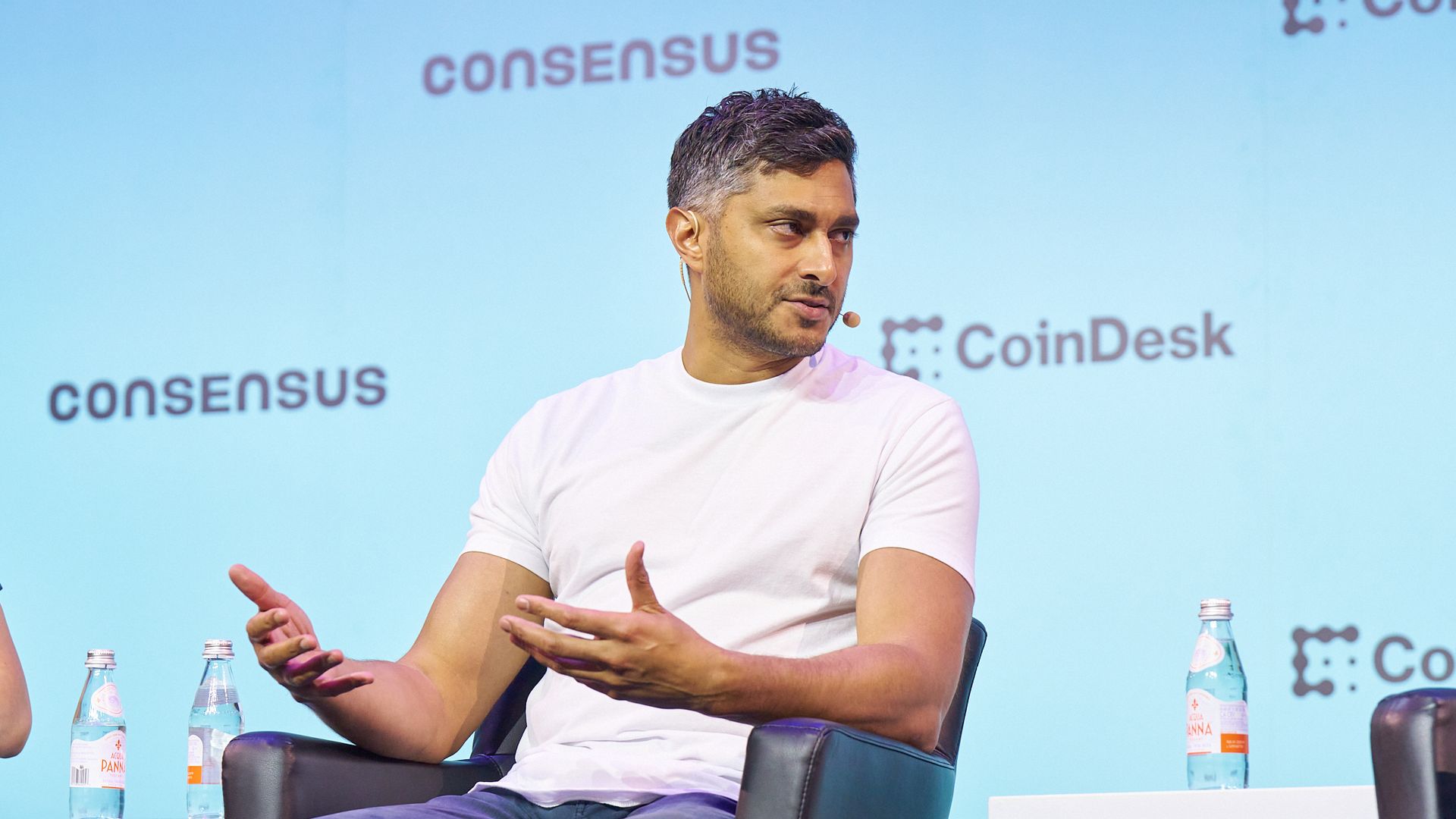
In early 2026, Payward co-CEO Arjun Sethi announced a strategic shift to unify Kraken’s disparate services—ranging from retail trading to institutional asset management—onto a single set of "common rails." By integrating payments, custody, and settlement into one cohesive infrastructure stack, Payward is positioning itself as a core financial utility rather than just a cryptocurrency marketplace. This shift is intended to streamline how institutions interact with digital assets, providing a one-stop-shop for capital markets and treasury management.
The initiative involves a massive capital investment to bridge traditional banking rails with decentralized finance (DeFi) capabilities. Sethi emphasized that the goal is to provide institutional clients with seamless access to liquidity and asset management without the friction of switching between legacy and digital platforms. This "unified rail" strategy is a direct response to the growing demand from hedge funds and corporate treasuries for more robust, enterprise-grade connectivity between the crypto world and traditional finance.
From a regulatory and political perspective, Payward’s move comes as U.S. authorities, including the SEC and CFTC, continue to scrutinize the definitions of "qualified custodians" and "financial market utilities" in 2026. By evolving into an infrastructure provider, Payward aims to solidify its standing within the regulated U.S. financial system. This proactive alignment with institutional standards is likely intended to shield the company's core business from the volatility of retail trading volumes while ensuring compliance with emerging federal oversight.
For the broader market, this shift could lead to significantly increased liquidity and reduced onboarding costs for large-scale investors. As Payward rolls out these common rails throughout the remainder of 2026, industry observers should watch for potential partnerships with traditional banking giants and insurance firms. If successful, this transformation could trigger a wave of mergers and acquisitions across the sector, as other major exchanges scramble to build their own infrastructure layers to stay competitive in a mature, institutional-heavy market environment.