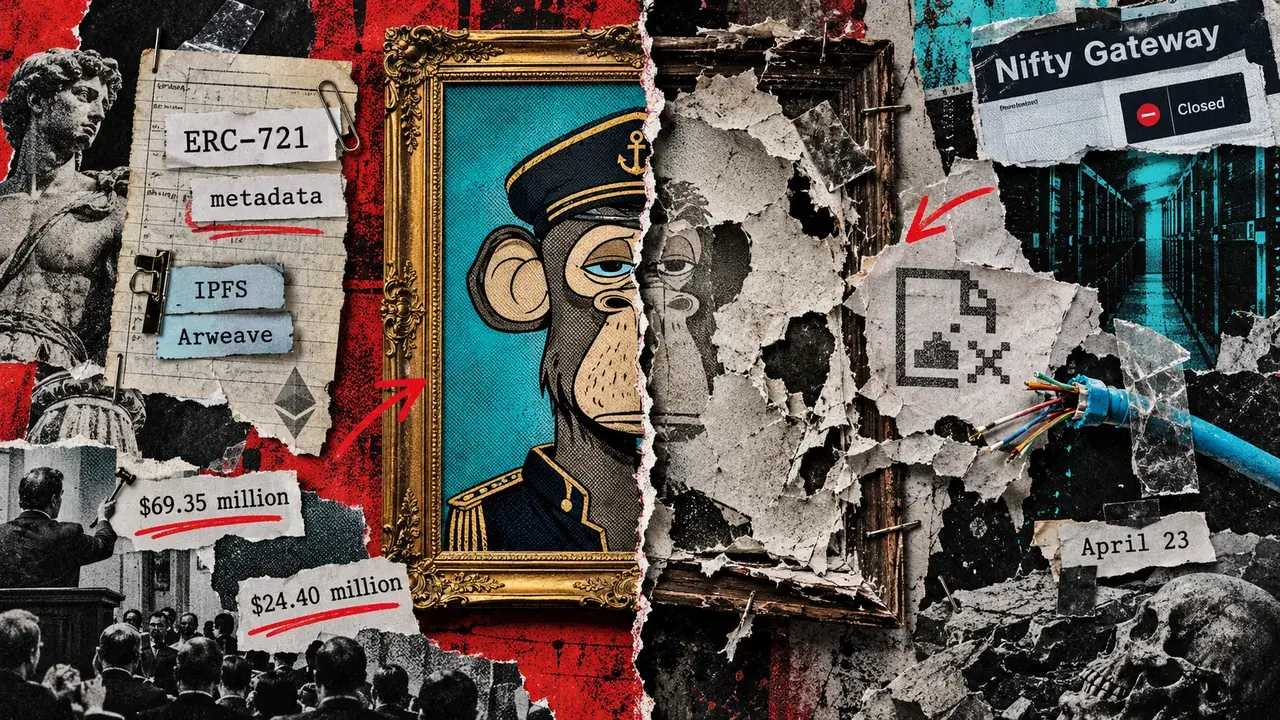
In 2026, the NFT landscape has shifted from speculative growth to a model of digital asset maintenance, with leading marketplaces now requiring users to pay 'storage rent.' This fee is designed to cover the ongoing costs of hosting high-resolution media on platforms like IPFS, Arweave, or private cloud servers. While the smart contract (the token itself) remains permanently on the blockchain, the associated artwork or metadata requires external hosting, which platforms can no longer afford to provide for free following the expiration of early-decade subsidies.
This development follows a period of increasing pressure on marketplace margins and a realization that the 'one-time purchase' model was unsustainable for long-term data persistence. Collectors who rose to prominence during the 2021-2022 boom, including holders of Bored Ape Yacht Club and Beeple pieces, are now facing unexpected monthly or yearly invoices to keep their assets visible. If these storage fees are not met, the NFT risks becoming a 'dead link,' significantly diminishing its secondary market value and aesthetic utility.
From a regulatory perspective in the United States, this move is under scrutiny by consumer protection advocates. The central question is whether an asset can truly be considered 'owned' if its visibility is contingent on a recurring service fee. This mimics the 'carrying costs' associated with physical fine art, such as climate-controlled storage and insurance, effectively turning digital collectibles into a more traditional—and expensive—asset class.
Investors should closely monitor how different marketplaces implement these charges, as some may offer 'perpetual storage' tiers as a premium service. For the broader market, these fees introduce a new barrier to entry for retail collectors and may lead to a consolidation of the market toward high-value assets that justify their monthly overhead. Watch for the emergence of decentralized storage solutions that might offer lower, one-time payment alternatives to bypass marketplace-specific rent.