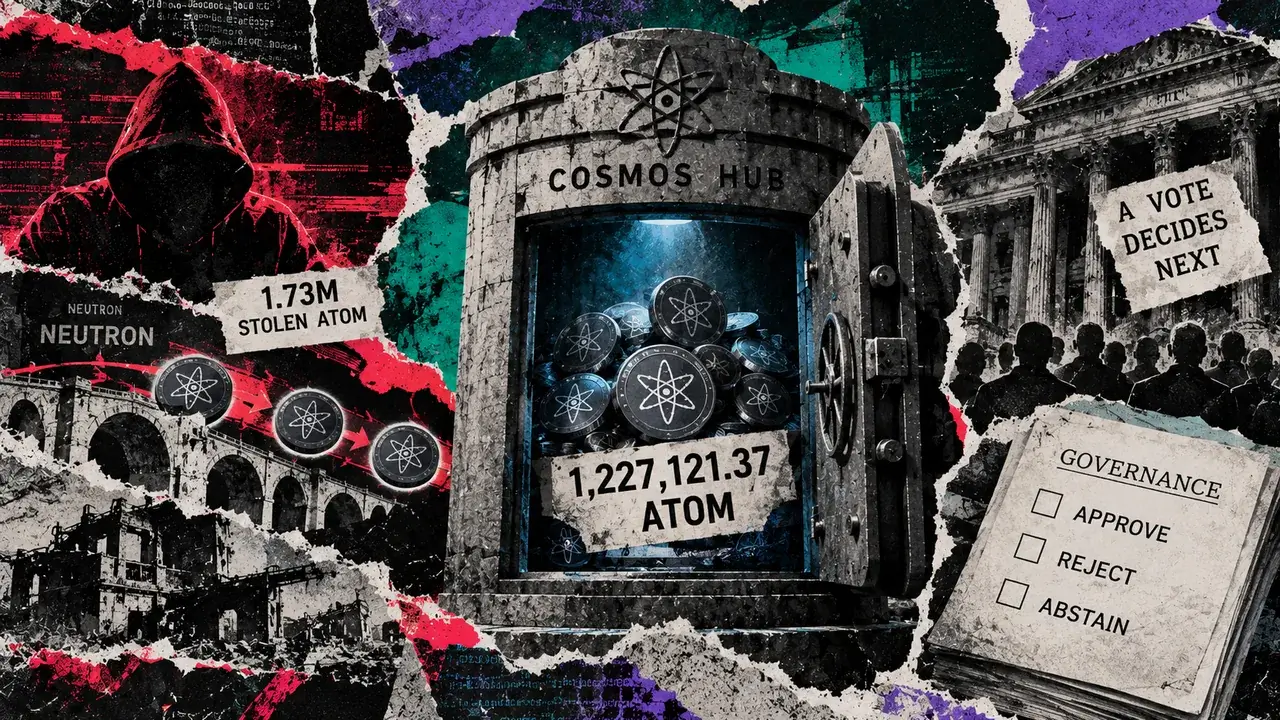
The return of 1.23 million recovered ATOM tokens to affected users now depends on the successful passage of a Cosmos Hub governance vote and a coordinated recovery plan with the Neutron network. Although validators have successfully intercepted and secured the stolen assets on the Hub-side, custody signers have clarified that they will not initiate refunds until a formal protocol-level proposal is ratified by the community. This ensures that the redistribution of recovered funds follows a transparent, decentralized process rather than a unilateral decision by signers.
The situation developed after a sophisticated exploit led to the theft of millions in ATOM, which were subsequently tracked across the Inter-Blockchain Communication (IBC) protocol. In a rare win for ecosystem security, validators were able to freeze a significant portion of the assets before they could be laundered through mixers. However, because the theft involved cross-chain activity between Cosmos and Neutron, the recovery signers require a synchronized plan from the Neutron side to verify victim balances and ensure the right parties receive the compensation.
For US-based investors and the global DeFi community, this event underscores the evolving role of governance in protocol security in 2026. While the ability to intercept stolen funds is a major technological milestone for the Cosmos ecosystem, the resulting governance delay highlights the trade-off between decentralized oversight and immediate liquidity recovery. Regulators are increasingly looking at these 'on-chain recovery' mechanisms as potential models for consumer protection within decentralized finance, though the slow speed of governance remains a point of contention for users seeking fast restitution.
Moving forward, ATOM holders should closely monitor the Cosmos Hub governance forum for the draft proposal regarding the 'Refund Distribution Plan.' Once the Neutron recovery framework is finalized, the Hub proposal will likely enter a voting period lasting two weeks. If the community reaches a consensus, the funds will be released to a smart contract for claim or direct airdrop, potentially restoring confidence in the network's resilience after one of the most high-profile recovery operations of the year.