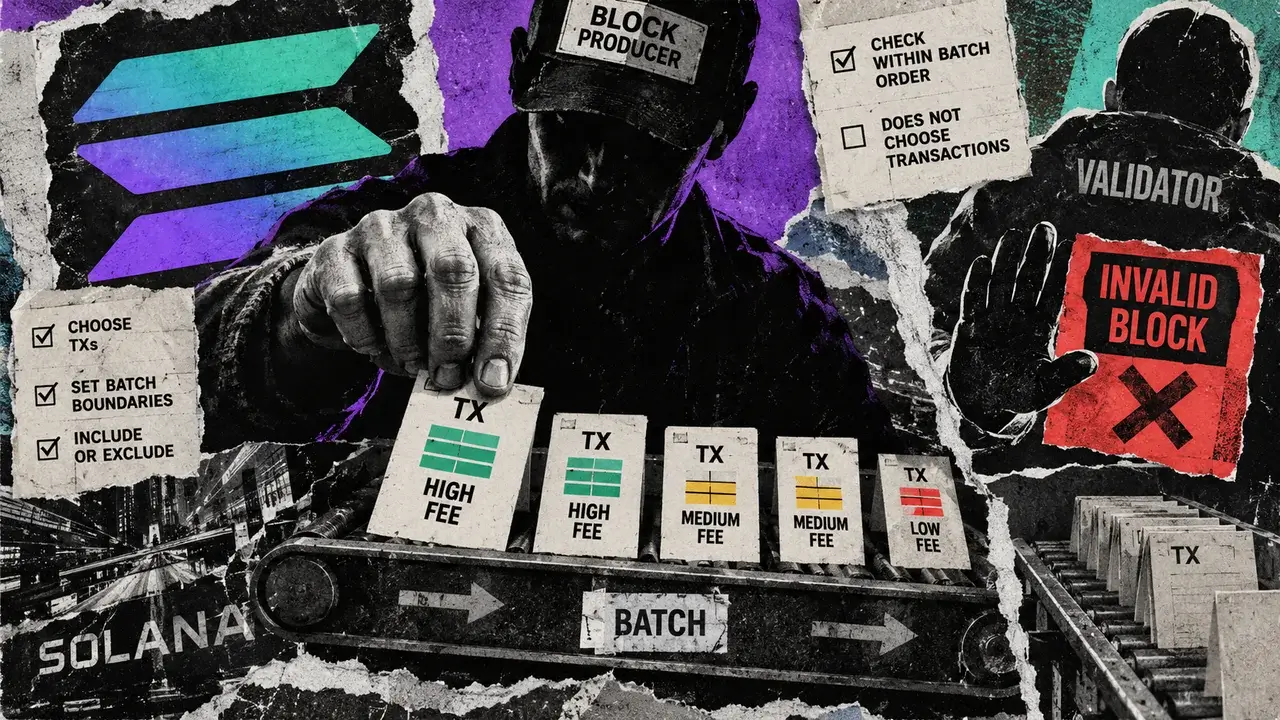
Solana proposal SIMD-0649 fails to eliminate unfair trade ordering because it only polices the priority of transactions once they are inside a batch, leaving the critical 'inclusion' phase under the control of block producers. While the measure was intended to create a more level playing field for traders, leaders still maintain the authority to decide which orders make it into a block and where the boundaries of those batches are drawn. Consequently, the core issue of block producers cherry-picking transactions to maximize their own profits remains unresolved.
This development comes as the Solana ecosystem continues to grapple with Maximum Extractable Value (MEV) concerns that have plagued the network throughout 2026. The technical nuance of SIMD-0649 means that while it creates a more orderly internal queue, it does not prevent a validator from simply ignoring a transaction that might compete with its own interests or those of high-paying arbitrageurs. For retail traders, this translates to persistent slippage and execution risks that the proposal was originally expected to mitigate.
From a regulatory perspective, the failure to automate trade fairness could draw unwanted attention from US authorities. The SEC and other financial watchdogs have increasingly focused on 'invisible' costs in decentralized finance, and Solana’s reliance on validator discretion for order inclusion may be viewed as a market integrity risk. For institutional investors, this lack of deterministic execution fairness could be a barrier to deploying high-frequency trading strategies that require guaranteed neutral sequencing.
Market participants should watch for potential revisions to the Solana protocol that might introduce threshold encryption or more decentralized sequencing mechanisms. These future upgrades would be necessary to truly strip producers of their discretionary power. In the meantime, the effectiveness of third-party MEV-protection tools will likely become a primary focus for users looking to bypass the current limitations of SIMD-0649 and ensure their trades are processed fairly.