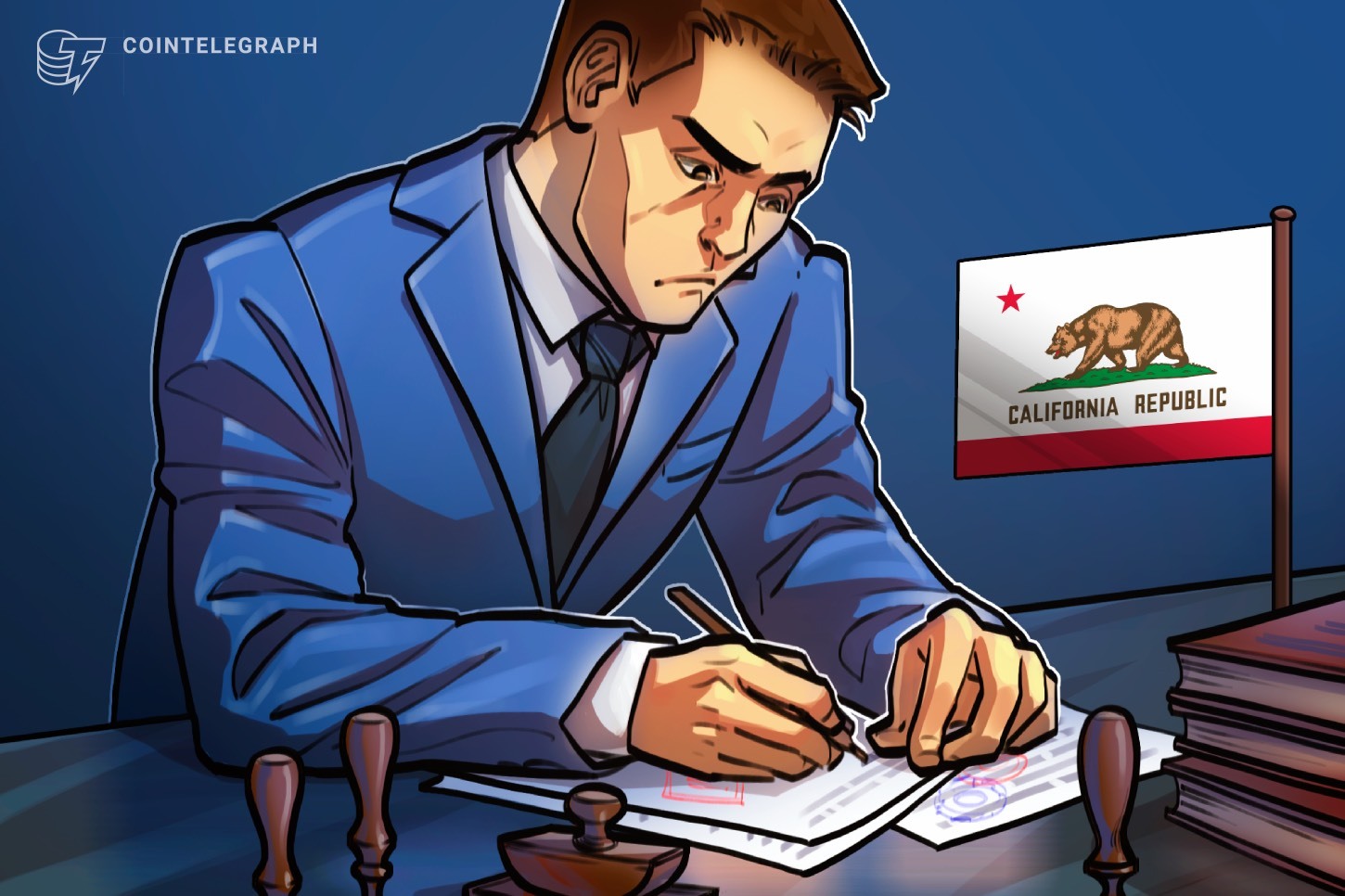
Governor Gavin Newsom has signed a law that officially bans California public officials from issuing their own memecoins, while simultaneously restricting crypto companies from offering official-linked tokens to residents of the state. The regulation, which applies to all relevant tokens issued starting January 1, 2027, establishes a clear boundary between public service and the volatile digital asset market. This move is designed to curb the 'PolitiFi' trend where public figures might leverage their influence to promote speculative assets, potentially leading to market manipulation.
The legislation addresses two fronts: the creators and the distributors. Public officials are now legally barred from the minting and initial issuance process of memecoins. Furthermore, crypto exchanges and service providers operating within California must implement geofencing or similar restrictions to ensure that California-based investors cannot access these specific official-tied tokens. This creates a significant compliance hurdle for platforms that have previously profited from the high trading volumes associated with political meme tokens.
From a regulatory standpoint, California is setting a precedent that other U.S. states may soon follow. By targeting the intersection of political ethics and decentralized finance, the state is attempting to modernize its conflict-of-interest laws for the Web3 era. The delayed implementation date of 2027 provides a grace period for the industry to develop robust filtering mechanisms, but it also signals a long-term shift toward stricter oversight of celebrity and politician-driven crypto projects.
Market participants should watch for how major U.S. exchanges update their terms of service in response to this law. While the immediate impact on global crypto prices may be limited, the long-term viability of political memecoins in the U.S. market is now under threat. If other major states like New York adopt similar measures, the 'PolitiFi' sector could face a liquidity crisis as a large portion of the American retail base is effectively cut off from participating.