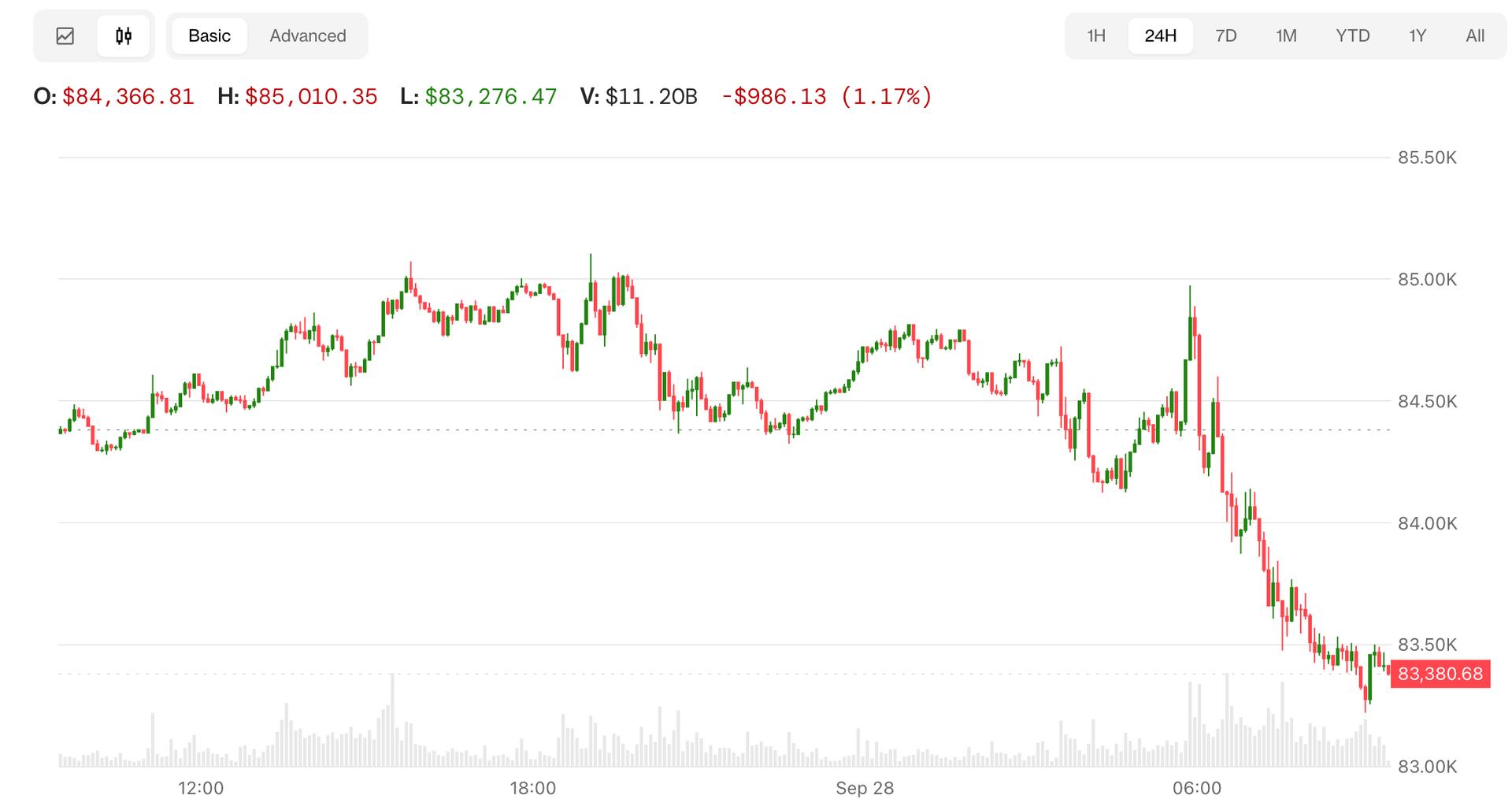
Bitcoin and Nasdaq futures are declining because of heightened geopolitical risk following President Trump’s recent refusal to rule out additional military strikes against Iran. While the administration suggested that the conflict could reach a resolution soon, the ambiguity regarding immediate military action has unsettled global markets. As a result, both digital assets and tech-heavy equities are seeing a synchronized sell-off as traders move to de-risk their portfolios in anticipation of potential escalation.
The current market dip is closely tied to the upcoming 2026 midterm elections, with the administration’s foreign policy stance appearing to influence investor confidence. The threat of renewed conflict in the Middle East often leads to higher energy prices and inflationary concerns, which traditionally pressures the Nasdaq. In early 2026, Bitcoin continues to trade in high correlation with these tech indices, failing to act as a non-correlated hedge during this specific period of diplomatic tension.
Institutional investors are particularly sensitive to these developments, as military escalations can lead to sudden shifts in liquidity and regulatory priorities. The decline in futures suggests that the market is pricing in a period of sustained volatility rather than a quick rebound. This trend highlights the ongoing sensitivity of the cryptocurrency market to macro-political events, despite the growing adoption of Bitcoin ETFs and institutional infrastructure.
Readers should closely watch upcoming White House briefings and Department of Defense statements for any clarification on military posture. Furthermore, the performance of the US Dollar Index (DXY) and oil prices will serve as critical indicators; if oil continues to spike on Iran news, Bitcoin and the Nasdaq are likely to face continued downward pressure. The 2026 midterms will remain a focal point for market participants as political rhetoric continues to shape economic expectations.