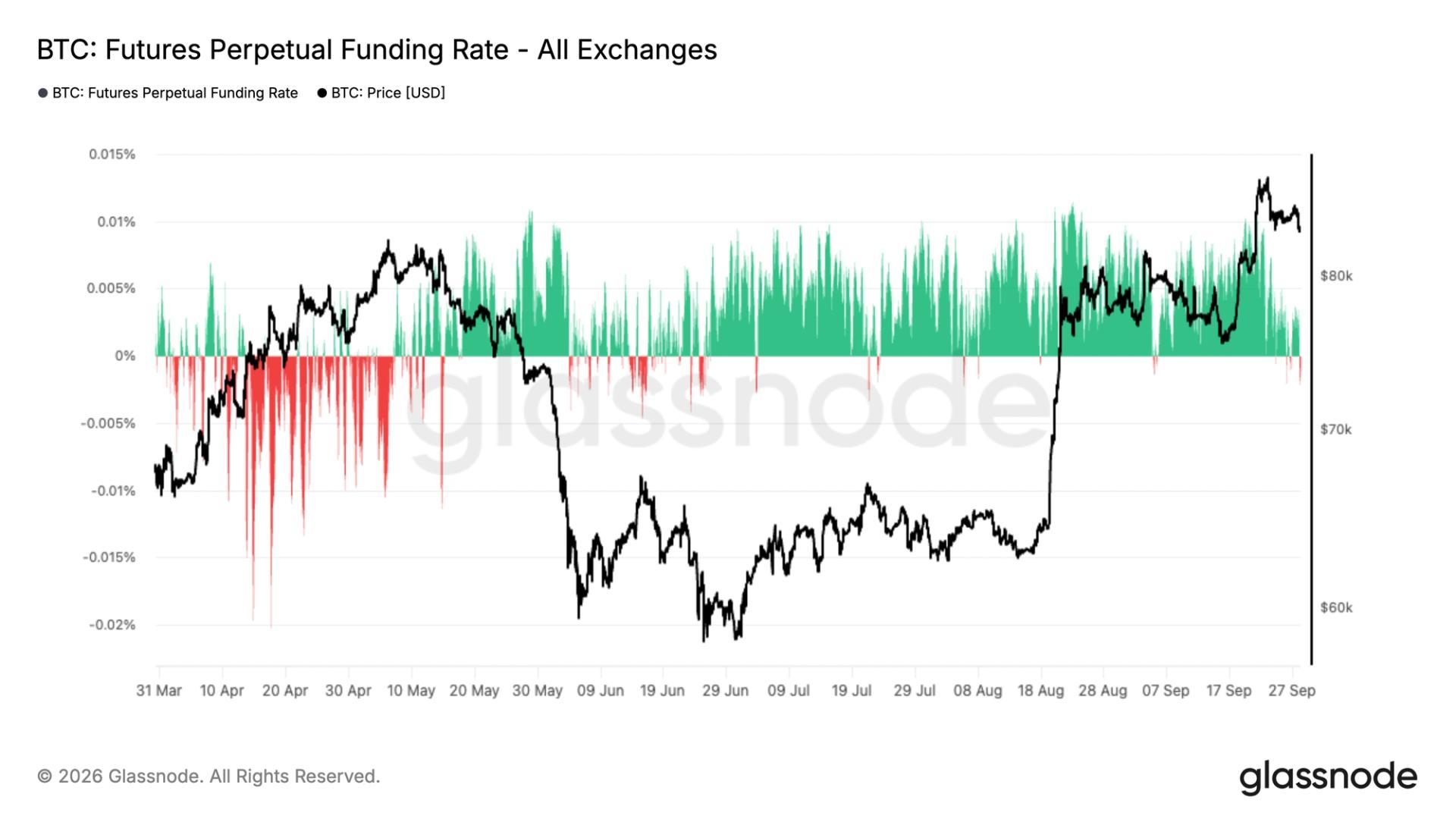
As of early 2026, Bitcoin bears are actively paying 'funding fees' to maintain their short positions even as total futures open interest collapses to its lowest levels of the year. This environment indicates that long-side demand has largely evaporated, leaving the derivatives market heavily skewed toward those betting on a price breakdown. The combination of declining open interest and negative funding rates highlights a market where traders are not just cautious, but are willing to pay a premium to stay short, suggesting the path of least resistance remains lower.
This shift follows a period of significant volatility that has flushed out retail speculators and left institutional participants hesitant to enter new long positions. Unlike previous cycles where low open interest might suggest a stable floor, the current 2026 metrics reveal a lack of 'buy the dip' appetite. The fact that the remaining capital in the market is skewed toward bearish leverage reflects a broader skepticism regarding Bitcoin's immediate recovery prospects in the current macroeconomic climate.
For investors, these metrics suggest that a meaningful price reversal is unlikely until funding rates neutralize and open interest begins to climb on the long side. While a short squeeze remains a theoretical possibility if a sudden positive catalyst emerges, the sustained lack of buying pressure makes such a scenario difficult to sustain. The market is currently characterized by a 'wait-and-see' approach from major liquidity providers who are waiting for a definitive sign of a bottom.
Looking ahead through Q1 2026, traders should closely monitor exchange-wide funding rates and CME futures data. A stabilization in these rates, alongside a gradual increase in open interest, would be the first signal that the bearish dominance is fading. Until then, the market remains vulnerable to further downside as leveraged shorts continue to dominate the narrative and price action.