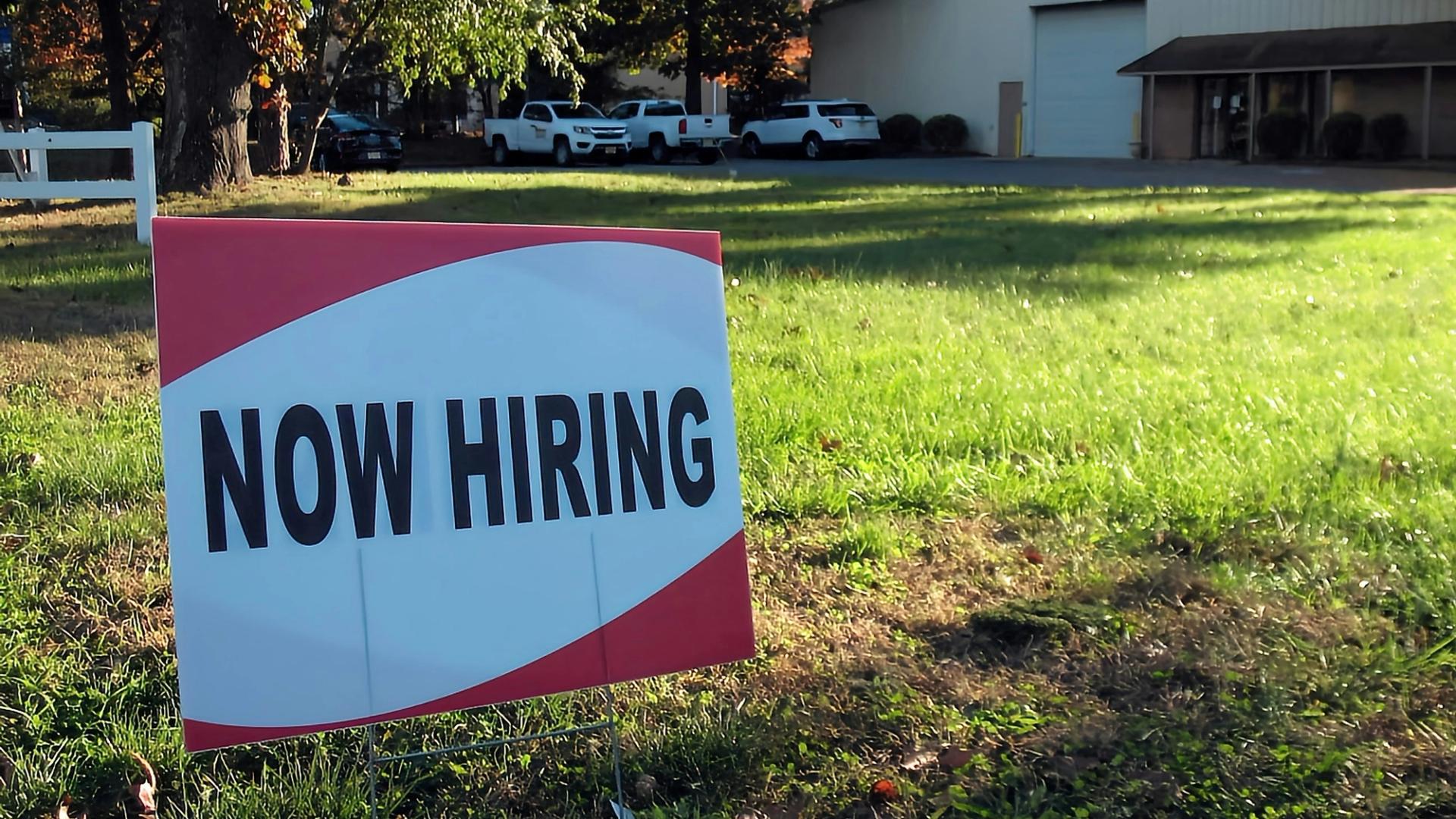
The upcoming U.S. employment data, scheduled for release during the week of September 28, 2026, is the primary factor currently stalling Bitcoin's recent price rally. Market participants are looking for evidence of a cooling labor market, which would likely encourage the Federal Reserve to continue cutting interest rates. Lower rates generally increase market liquidity and investor demand for risk-on assets like Bitcoin, while a surprisingly strong jobs report could trigger fears of persistent inflation and a more hawkish Fed stance.
After a period of strong performance in late Q3 2026, Bitcoin has entered a 'breather' phase, characterized by sideways trading and lower volatility. Institutional traders are currently in a 'wait-and-see' mode, as the September jobs report is viewed as the final piece of the macroeconomic puzzle before the next Federal Open Market Committee (FOMC) meeting. This pause is typical in 2026's macro-driven crypto market, where digital assets have shown a high correlation with traditional financial indicators.
From a political and regulatory perspective, the labor data arrives at a sensitive time. U.S. policymakers are closely monitoring economic stability as new digital asset tax reporting requirements are being phased in. A stable labor market provides a backdrop of economic confidence that allows regulators to focus on market structure rather than emergency economic interventions. For crypto investors, this means the 'macro' narrative remains the dominant force over internal industry developments for the remainder of the month.
Readers should watch the non-farm payroll (NFP) headline number closely; a figure significantly higher than the consensus 150,000 jobs added could lead to a sharp, short-term sell-off in BTC. Conversely, if unemployment ticks slightly higher, it could act as the catalyst Bitcoin needs to break through its current resistance levels. Beyond the headline jobs number, average hourly earnings will also be a key metric to watch for signs of wage-push inflation that might stay the Fed's hand.