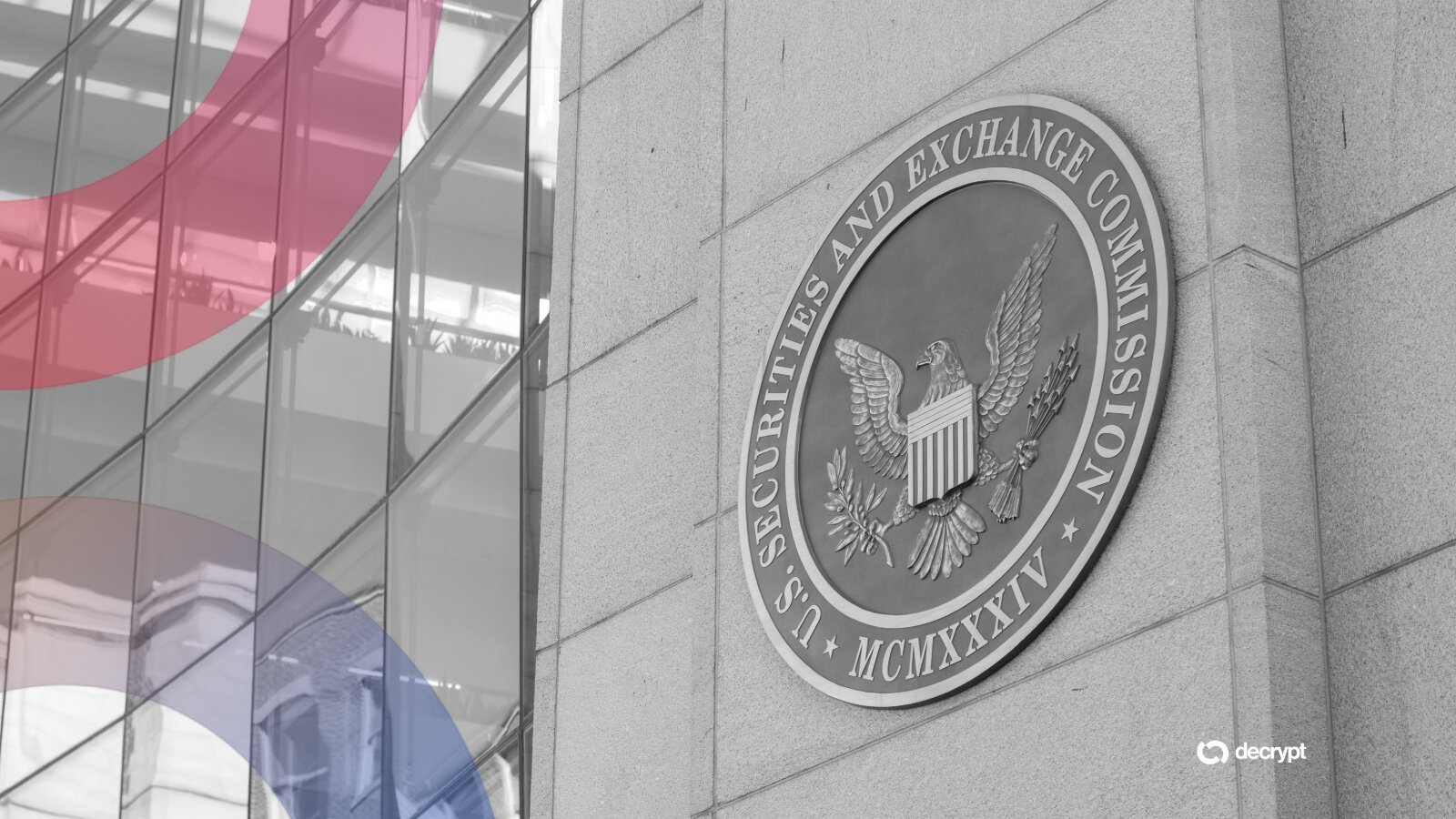
The SEC’s latest 2026 guidance confirms that decentralized protocols can now execute token buybacks and 'buy-and-burn' mechanisms without violating federal securities laws, provided they maintain specific decentralization benchmarks. This move effectively ends years of regulatory ambiguity that prevented DAOs and DeFi platforms from returning value to users via automated smart contracts. By distinguishing protocol-led revenue distribution from centralized stock manipulation, the commission has opened the door for a new era of 'real yield' in the digital asset space.
Following the conclusion of the Gary Gensler era, the current SEC leadership is prioritizing clear taxonomies over enforcement-led regulation. This policy shift is part of a broader 2026 legislative push in Washington to keep crypto innovation within the United States. Previously, many protocols operated in a legal gray area or moved offshore to avoid being labeled as investment contracts; the new framework provides a compliant path for U.S.-based teams to implement value-accrual mechanisms for their native tokens.
For major networks like Ethereum and Solana, as well as blue-chip DeFi protocols, this means a shift in how tokens are valued by institutional investors. Instead of relying purely on speculative demand, tokens can now be modeled based on the protocol’s actual earnings and the frequency of buybacks, similar to traditional corporate buyback programs. This change is expected to reduce volatility in governance tokens as they become anchored to tangible economic activity within their respective ecosystems.
Moving forward, investors should watch for a wave of governance proposals from major platforms like Uniswap and Aave to activate 'fee switches' that were previously dormant due to legal fears. The next major milestone will be how the IRS classifies these buybacks for tax purposes, particularly regarding whether a token burn constitutes a taxable event for the remaining holders. As protocols begin to implement these programs, the distinction between 'utility' and 'security' will become even more defined under this new 2026 regulatory standard.