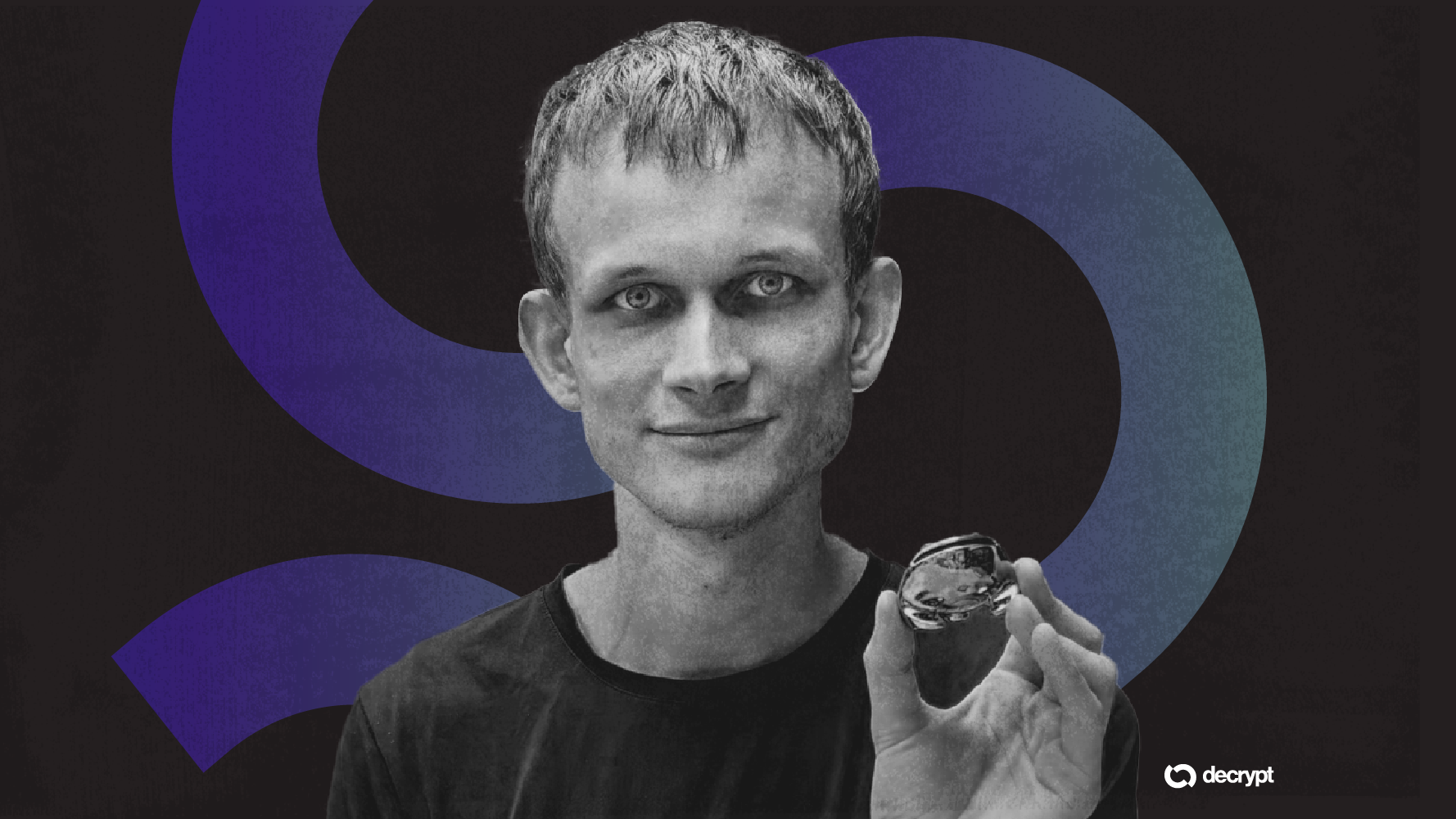
Ethereum's Hegota upgrade, scheduled for 2026, serves as the final manual hard fork because it introduces recursive STARKs and formal verification directly into the base layer. According to Vitalik Buterin, all subsequent improvements will be implemented through these cryptographic proofs rather than traditional, coordinated network splits. This evolution fulfills the long-standing vision of the "Cryptographic World Computer," where the protocol can verify its own state transitions and logic with mathematical certainty, reducing the reliance on human-governed upgrades.
For US-based developers and institutional investors, this shift significantly lowers the "fork risk" associated with Ethereum. Historically, hard forks have created market volatility and technical overhead for exchanges and custody providers; moving to a STARK-based verification model ensures that the protocol can evolve without fracturing the ecosystem. Furthermore, the inclusion of formal verification—a method of proving the correctness of code through mathematical logic—is expected to satisfy rigorous US regulatory standards for financial infrastructure security.
This technological leap also positions Ethereum to better compete with highly centralized cloud providers by offering a decentralized alternative that is just as resilient. By removing the need for periodic, high-stakes manual updates, Ethereum aims to provide a more stable foundation for the next generation of DeFi and enterprise blockchain applications. As the Hegota milestone approaches, the market is closely monitoring how current Layer-2 solutions will integrate these recursive proofs to further boost scalability.
Looking ahead, investors should watch for the successful deployment of the STARK-proving systems during the Hegota transition phase. The primary metric for success will be the network’s ability to implement minor feature updates post-Hegota without requiring a traditional hard fork. This shift marks a new era for Ethereum, prioritizing mathematical permanence over social-consensus-driven technical changes.