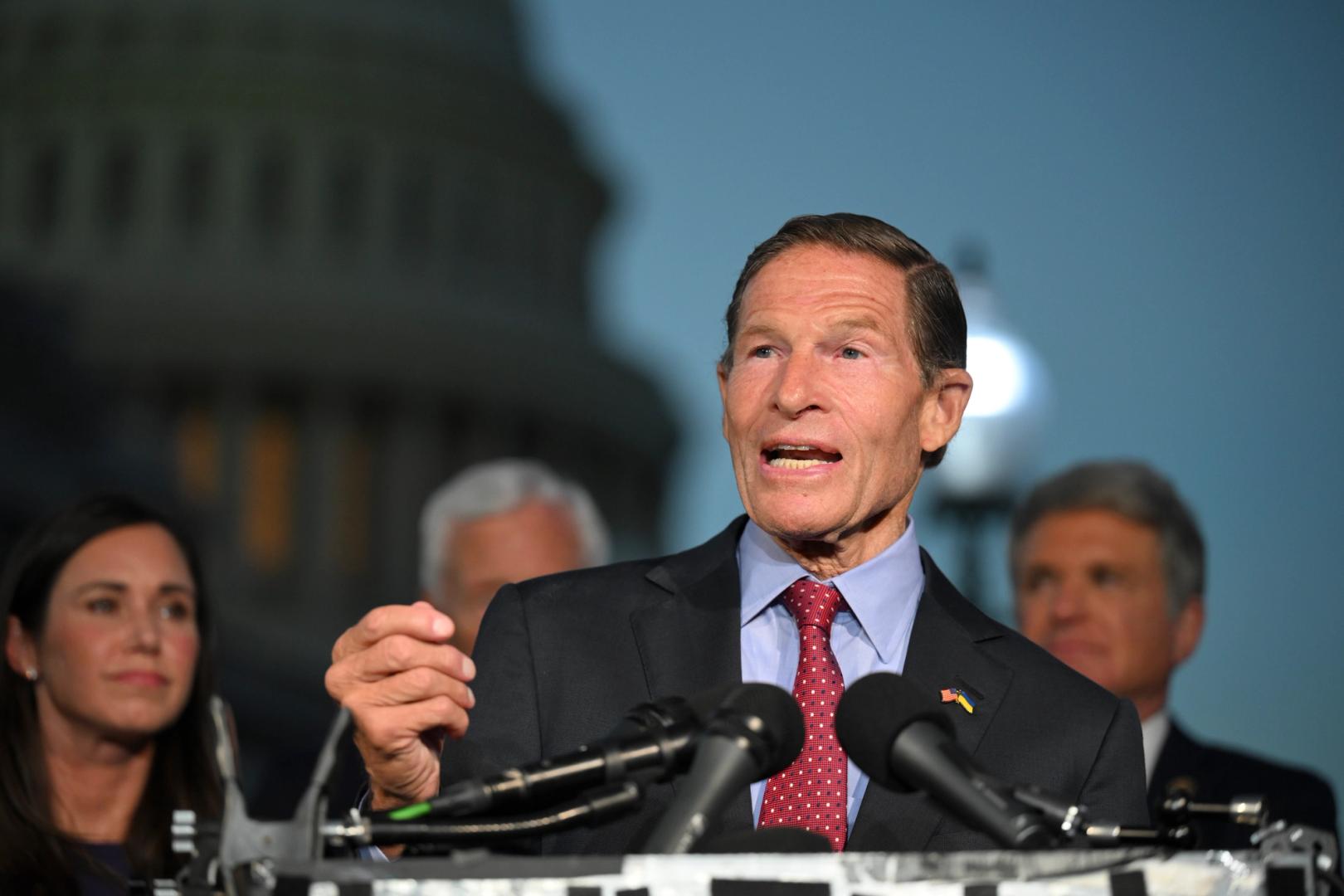
The recent report published by Democrats on the Senate's Permanent Subcommittee on Investigations directly challenges Tether’s regulatory standing by alleging the stablecoin is a primary tool for Iranian state-sponsored sanctions evasion. According to the subcommittee, USDT has become the preferred medium for the Iranian government to conduct international trade and bypass the SWIFT banking system. This finding places Tether in a precarious position, as lawmakers are now using these national security concerns to advocate for expanded executive powers to seize or block digital assets held by offshore issuers.
The subcommittee's report details how Tether’s high liquidity and dollar-pegging have inadvertently created a parallel financial system that US authorities struggle to monitor. While Tether has historically complied with individual wallet-freezing requests from the Department of Justice, the report argues that these reactive measures are insufficient. Instead, the subcommittee suggests that the Iranian regime’s reliance on USDT necessitates a more systemic regulatory framework that could force stablecoin providers to adopt banking-level KYC (Know Your Customer) standards for all secondary market participants.
From a geopolitical perspective, this development reflects a hardening of the US stance against 'neutral' financial infrastructure that operates outside of direct federal oversight. The political pressure from Senate Democrats is expected to influence the 2026 legislative agenda, specifically targeting the 'Stablecoin Oversight and Security Act.' If passed, this legislation would grant the Office of the Foreign Assets Control (OFAC) explicit authority to mandate the freezing of any dollar-backed token used by sanctioned jurisdictions, regardless of where the issuer is headquartered.
For the broader crypto market, this report introduces significant tail risk for USDT, which remains a cornerstone of global trading liquidity. If the US Treasury acts on these findings by designating Tether a 'primary money laundering concern,' US-linked exchanges and liquidity providers may be forced to de-risk their exposure. Investors should closely watch for upcoming Senate hearings where Tether executives may be subpoenaed to testify regarding their internal monitoring of Middle Eastern transaction flows and their cooperation with international law enforcement.