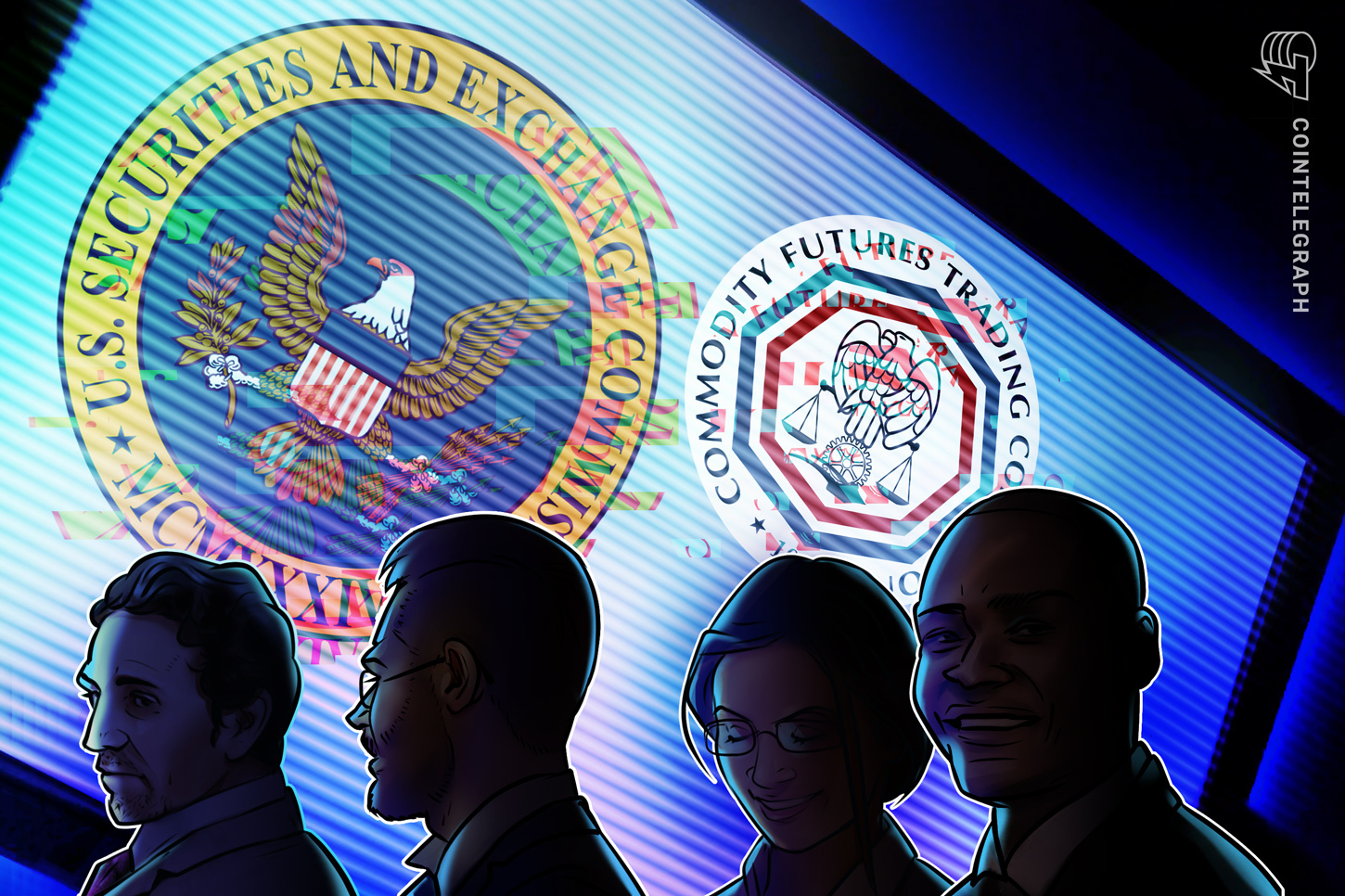
The U.S. Securities and Exchange Commission (SEC) has officially issued new staff guidance for token issuers, clarifying the application of federal securities laws to digital assets in the wake of the failed cloture vote on the CLARITY Act. This guidance provides a framework for how the agency will evaluate token distributions, secondary market trading, and platform registrations, effectively filling the legislative vacuum left by Congress's inability to pass comprehensive crypto reform in early 2026. For developers, this means that while the 'Howey Test' remains the primary benchmark, the SEC has introduced specific technological criteria for determining when a network is sufficiently decentralized to avoid securities status.
This regulatory update follows a period of intense political friction in Washington D.C. The CLARITY Act was intended to provide a statutory definition for digital assets, but its failure in the Senate has forced administrative agencies to step in. By issuing this guidance, the SEC is following a similar path taken by the Commodity Futures Trading Commission (CFTC) earlier this month, suggesting a rare moment of inter-agency synchronization. This coordination aims to prevent 'regulatory arbitrage' where projects attempt to reclassify themselves simply to change which agency oversees their operations.
The implications for the U.S. crypto market are significant. While the guidance provides a clearer path for compliance, it also reaffirms the SEC’s broad oversight over most initial token offerings. Small-to-mid-sized DeFi projects may find the compliance costs prohibitive, potentially leading to a continued exodus of new launches to offshore jurisdictions. However, for institutional-grade projects, the guidance provides the legal certainty required to attract conservative capital that had been sidelined during the legislative uncertainty of 2025.
Moving forward, market participants should watch for the first round of 'no-action letters' issued under this new guidance, which will serve as the practical test cases for the SEC's updated stance. Additionally, with the CFTC and SEC now aligned on staff-level instructions, the focus shifts to whether the Treasury Department will issue matching guidance regarding stablecoin reserves. Investors should remain cautious, as this guidance does not signal a 'light-touch' era, but rather a more standardized enforcement environment for the remainder of 2026.