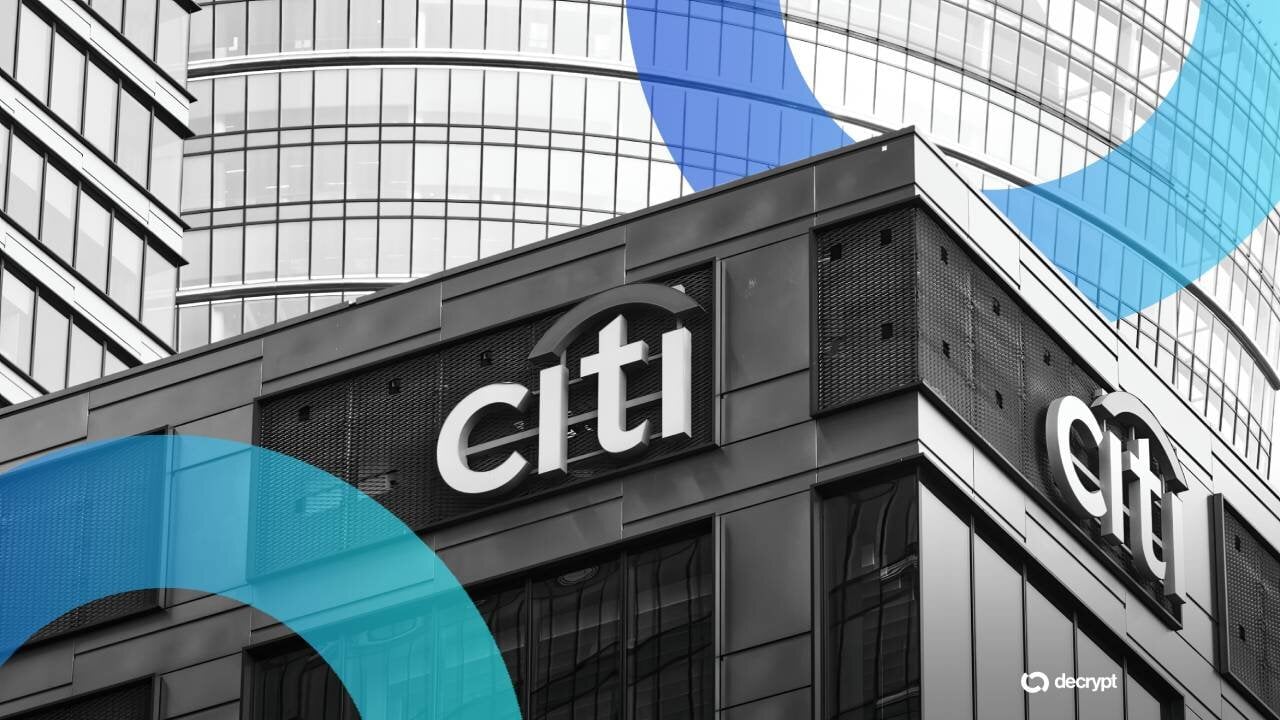
Citi institutional clients can now accept stablecoin payments via a strategic expansion of the bank's partnership with Coinbase, allowing them to receive digital assets without ever having to hold or manage cryptocurrency directly. Through this integration, Coinbase business accounts are now powered by Citi’s existing banking rails, facilitating a seamless conversion process where stablecoin transfers from customers are automatically processed and settled into the client's Citi account as fiat currency. This effectively removes the technical and custody barriers that have previously hindered large-scale corporate adoption of digital assets.
The collaboration represents a significant milestone in the 2026 financial landscape, as it bridges the gap between decentralized finance and traditional banking infrastructure. By utilizing Citi’s legacy rails, the system ensures that institutional users can maintain their existing accounting and compliance workflows while tapping into the 24/7 settlement capabilities of stablecoins. This move follows a year of increased institutional interest in programmable money and real-time cross-border settlements that bypass the delays of the traditional SWIFT system.
From a regulatory perspective, this setup is designed to satisfy U.S. oversight requirements by keeping the crypto-to-fiat conversion within a regulated environment. As the U.S. continues to refine its stablecoin framework in 2026, partnerships between Tier-1 banks and regulated exchanges like Coinbase serve as a blueprint for compliant institutional access. By abstracting the complexity of private key management and wallet security, Citi is positioning itself as a primary gateway for corporations that want the efficiency of the blockchain without the perceived risks of direct crypto exposure.
Market analysts suggest this development will likely drive significant volume for major U.S.-regulated stablecoins such as USDC. For the broader crypto market, this signals a shift where the "back-end" of global finance becomes increasingly decentralized while the "front-end" remains tied to trusted banking institutions. Investors should watch for other major U.S. banks to launch competing services as the demand for crypto-agnostic payment processing grows among global enterprises throughout the remainder of 2026.