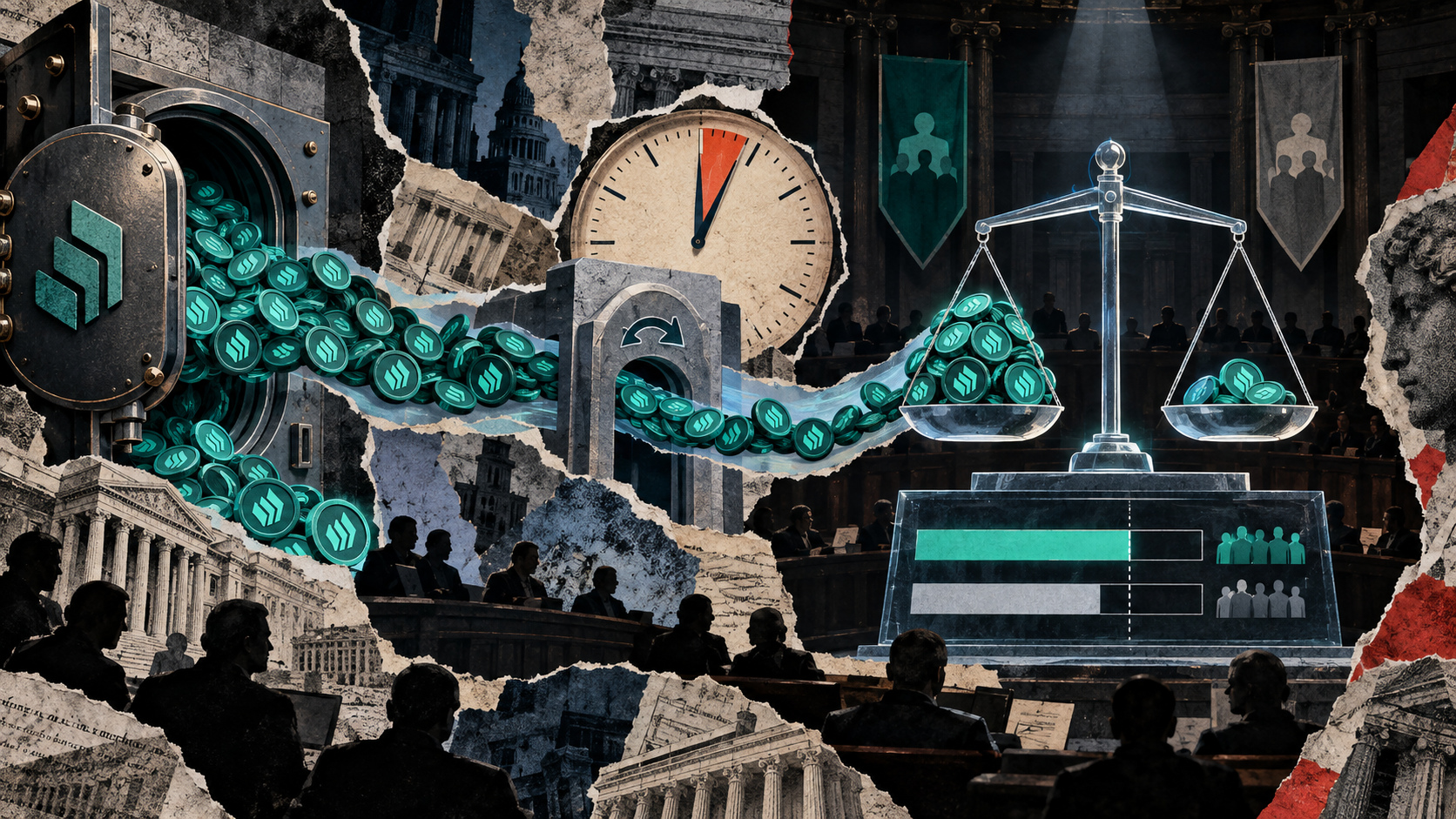
Compound DAO delegates are formally accusing the protocol's leadership of a mandate breach following the unauthorized use of $52 million in protocol reserves to acquire 344,780 COMP tokens. According to data from Bitquery, this massive purchase pushed a specific group of supporters above the 50% threshold of delegated voting power, giving them unilateral control over governance decisions. While the Foundation maintains that the move was consistent with the DAO’s long-term mandate to manage protocol health, delegates argue that such a significant capital allocation should have been subject to a transparent community vote.
This conflict highlights a growing tension within decentralized finance (DeFi) regarding the power of foundations versus token-weighted voting. The acquisition has effectively silenced minority delegates, raising concerns that the protocol is moving toward a centralized management model. For US-based investors, this raises significant questions about the 'decentralized' status of Compound, which is a key factor in how the SEC and other regulatory bodies evaluate whether a token is a security. If governance is captured by a single entity or a small group of insiders, the legal protections associated with decentralization may be compromised.
The market implications of this governance struggle are immediate, as uncertainty regarding protocol upgrades and treasury management often leads to capital flight. Analysts are closely watching the Compound governance forums for a potential 'governance reset' proposal or legal challenges from major stakeholders. If the $52 million purchase is not reversed or properly ratified, it could set a dangerous precedent for other major DeFi protocols like Aave or Uniswap, where protocol reserves are often seen as community-owned assets rather than a foundation's discretionary fund.
In the coming weeks, the industry will be watching to see if the Foundation offers a formal settlement or if a fork of the protocol becomes necessary to restore decentralized governance. Investors should monitor COMP’s price volatility and the movement of large token blocks, as further consolidation could lead to reduced liquidity and a decline in institutional trust in the Compound ecosystem.