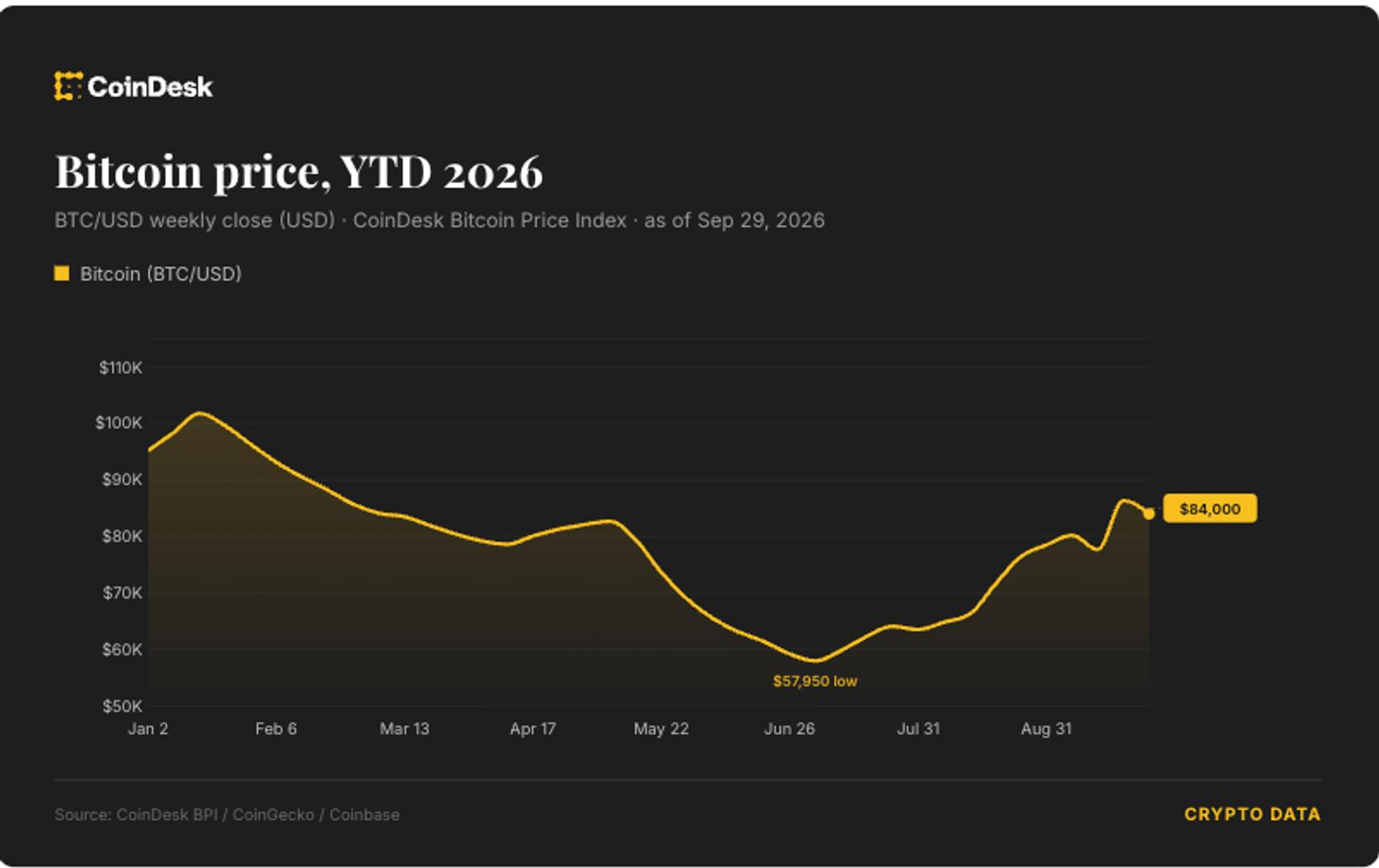
Bitcoin is currently on track to shatter a decade-long streak of negative September returns, marking a rare bullish turn for the transition into Q4 2026. While the asset has maintained upward momentum for three straight months, its ability to sustain these gains depends on whether it can absorb the dual pressure of surging 10-year Treasury yields and rising global oil prices. This defiance of the traditional "September slump" suggests a maturing market, but macro headwinds are reaching a boiling point just as the year enters its most volatile phase.
Historically, September has been a month of consolidation or decline for BTC, but 2026 has defied these patterns due to increased institutional adoption and stabilizing global liquidity. However, the macro environment is tightening; elevated oil prices are reigniting inflation fears, which in turn pushes bond yields higher. This makes risk-on assets like Bitcoin less attractive to institutional investors compared to traditional fixed-income instruments, potentially stalling the rally as we head into October.
Political uncertainty is also coming to a head with the 2026 US Midterm elections scheduled for November. Market analysts suggest that the regulatory outlook for digital assets could shift significantly depending on the congressional balance of power, leading many traders to hedge their positions as the vote nears. These elections represent one of two major November events that could either provide a regulatory tailwind or trigger a significant sell-off depending on the projected stance of the new Congress toward crypto innovation.
Beyond politics, the Federal Reserve’s policy trajectory remains the primary driver for market sentiment. Readers should watch the $75,000 support level; if BTC holds this through October despite high energy costs, the path to a new all-time high by year-end remains viable. However, if the November Fed meeting signals a return to hawkishness to combat rising oil-driven inflation, the current gains could be quickly erased as capital flows back into the US Dollar.