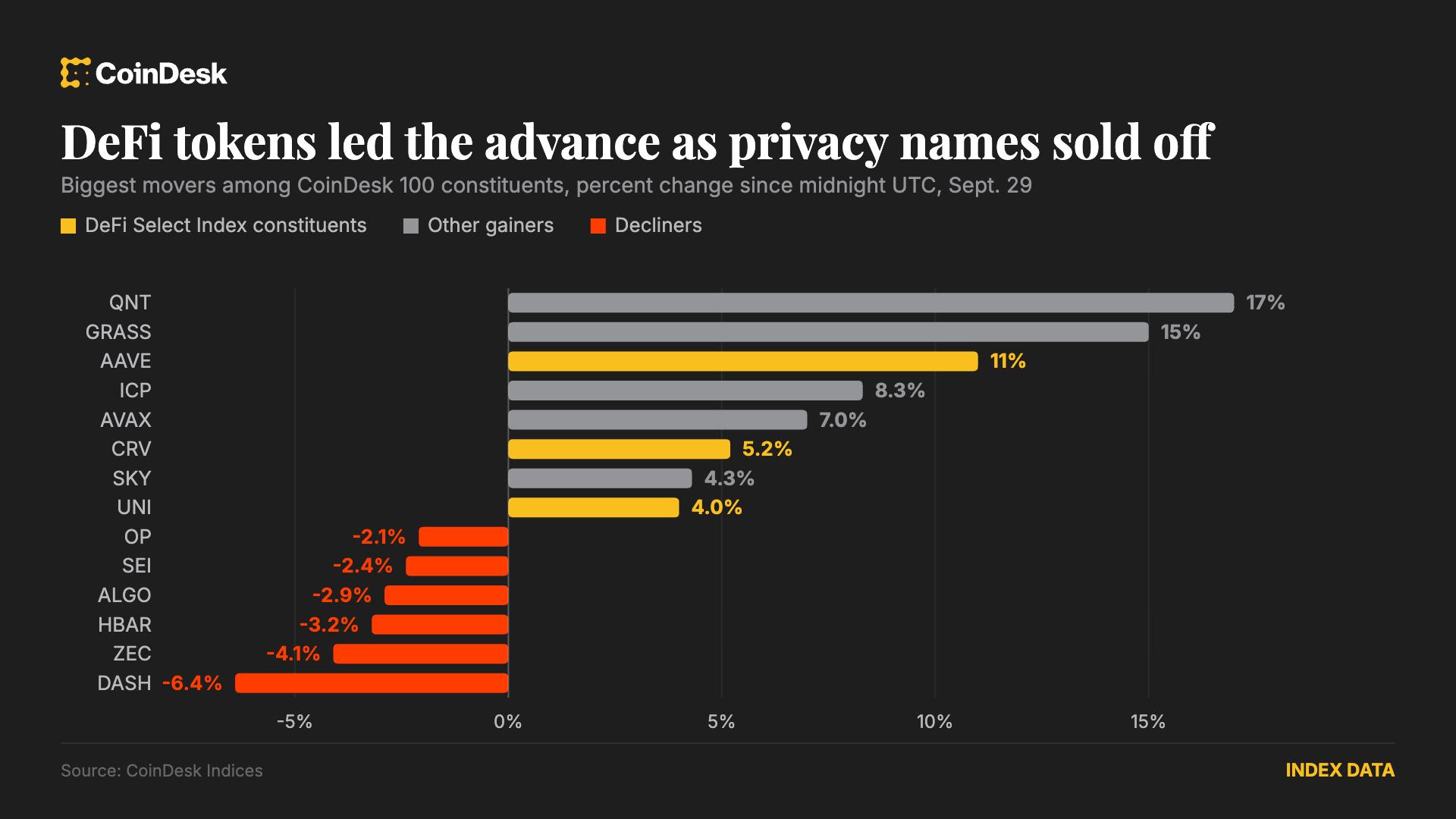
Aave (AAVE) has surged by 11% today, leading a broader rally in the DeFi sector despite significant macroeconomic headwinds. The primary catalyst for this price action is growing speculation within the Aave governance community regarding a potential token burn mechanism. As investors anticipate a reduction in the circulating supply of AAVE, the token has outperformed most of the market, helping 72 out of the 100 largest cryptocurrencies trade higher in a display of resilience during the 2026 market cycle.
This rally is particularly noteworthy because it coincides with a period of intense pressure from the traditional bond market. The US 10-year Treasury yield is currently sitting at 5.234%, a level that typically draws capital away from high-risk assets like crypto and into safe-haven government debt. However, the current 2026 market environment suggests that DeFi utility and specific protocol upgrades are becoming more influential than general interest rate sentiment for seasoned crypto investors who are prioritizing protocol-level fundamentals over macro trends.
The focus on token burns reflects a shift in how DeFi protocols approach tokenomics in 2026, moving toward sustainable value accrual for holders. While US regulators continue to scrutinize decentralized platforms, the Aave community's push for a burn mechanism—which removes tokens from circulation rather than distributing them as direct dividends—is seen as a strategic move to optimize protocol value. This internal growth strategy appears to be shielding the project from the volatility often triggered by Federal Reserve policy shifts.
Looking ahead, traders should monitor official governance proposals on the Aave platform to see if the speculative burn mechanism is formally adopted into the protocol's code. If the DeFi sector continues to ignore rising bond yields, it could signal a significant decoupling from traditional financial cycles for the remainder of the year. Market participants should watch for a sustained break above local resistance levels for AAVE to gauge if this momentum will trigger a wider recovery across other major DeFi protocols like Uniswap or Maker.