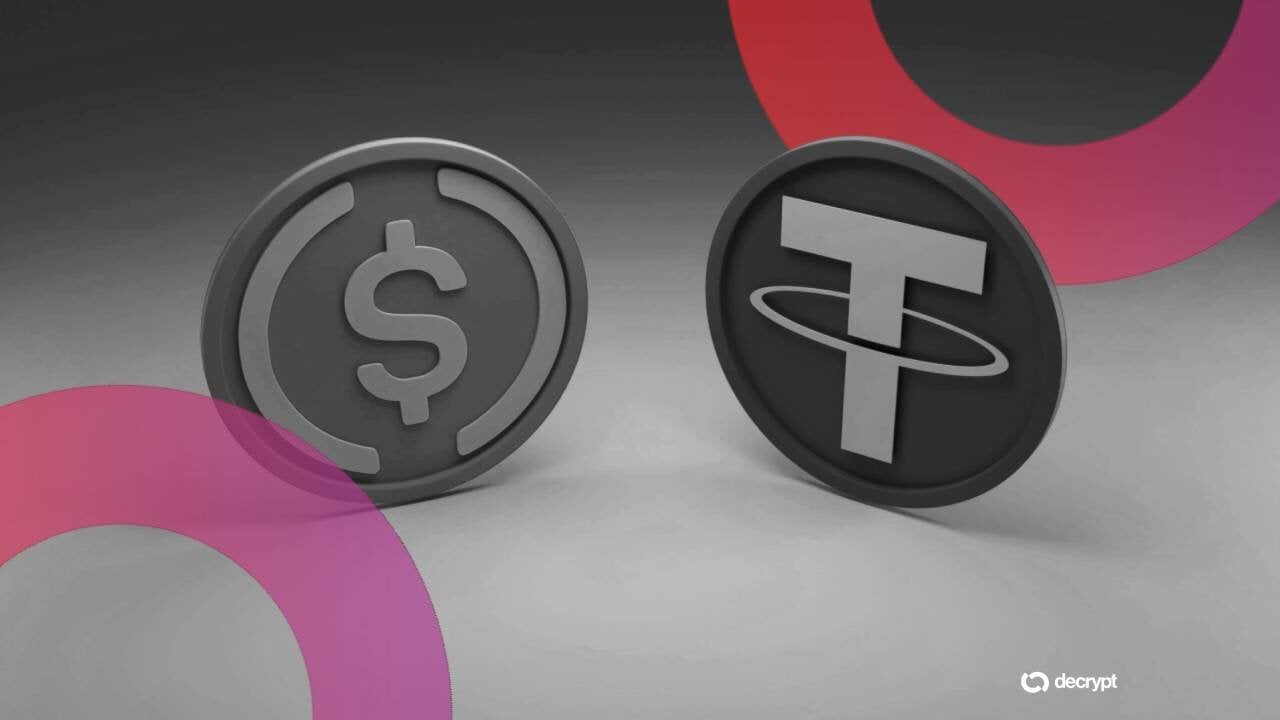
The partnership between Citi and Coinbase represents a major milestone in 2026 by embedding stablecoin liquidity directly into the bank's existing institutional infrastructure. By utilizing Coinbase’s custody and exchange APIs, Citi clients can now initiate payments in fiat that are converted to stablecoins for near-instant global settlement and then reconverted to the recipient's local currency. This 'invisible' integration removes the technical friction of managing private keys or navigating crypto exchanges, allowing traditional finance (TradFi) users to benefit from blockchain speed without leaving their familiar banking environment.
This development comes at a time of renewed market optimism as crypto majors like Bitcoin and Ethereum rebound from recent lows. The recovery is being fueled by a macro shift in early 2026, characterized by falling oil prices and declining Treasury yields, which has increased investor appetite for risk assets. Simultaneously, MicroStrategy, led by Michael Saylor, has signaled a continuation of its aggressive Bitcoin acquisition strategy, further stabilizing the floor price for the leading digital asset amid institutional accumulation.
From a regulatory perspective, this Citi-Coinbase initiative aligns with the latest 2026 US stablecoin guidelines, which emphasize the role of regulated banks in providing digital asset services. By operating within these frameworks, the partnership provides a blueprint for how large-scale financial institutions can adopt DeFi-like efficiency while maintaining strict compliance standards. This move is expected to trigger similar integrations across other Tier-1 banks, potentially leading to a massive increase in stablecoin volume driven by corporate cross-border trade.
Investors and market participants should watch for upcoming reports on the volume of 'invisible' stablecoin transactions processed through this new gateway. If adoption scales as expected, it could lead to a significant supply squeeze for compliant stablecoins and increased demand for the underlying networks, particularly Ethereum and Layer 2 scaling solutions. Furthermore, the market will be monitoring the Federal Reserve's reaction to private bank-led stablecoin expansion as the debate over a US CBDC continues into late 2026.