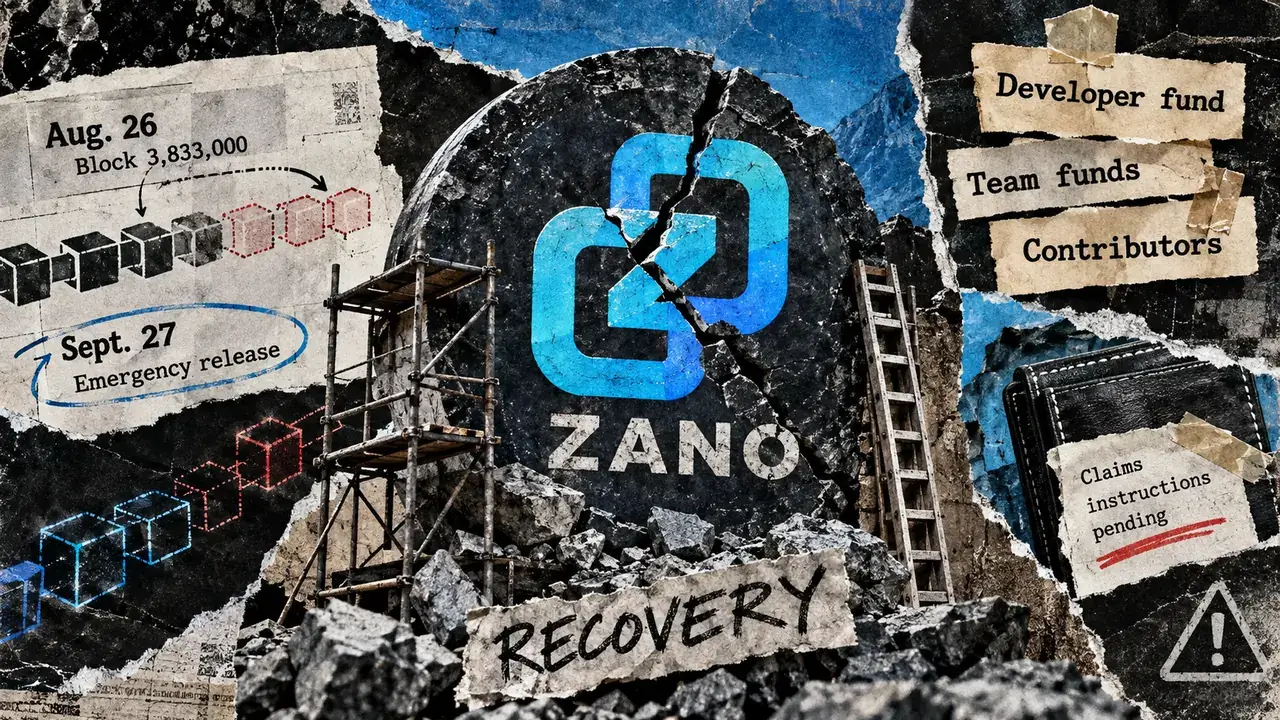
Zano is responding to a major network crisis in 2026 by executing a rare one-month blockchain rollback combined with a team-led reimbursement initiative. To stabilize the ecosystem, team members and committed contributors are pledging their own personal capital to cover losses incurred during the period being erased from the ledger. This strategy is intended to protect the community from the fallout of a yet-to-be-detailed technical failure or exploit that necessitated the invalidation of thirty days of history.
A month-long rollback is a drastic intervention in the crypto space, as it effectively deletes all transactions, mining rewards, and smart contract interactions that occurred during that timeframe. While the injection of personal funds by the Zano team demonstrates a high level of accountability, it also raises significant questions regarding the protocol's decentralization and the future immutability of its ledger. US-focused investors are closely monitoring how the team will handle the logistics of the rollback without triggering further market panic.
From a regulatory standpoint, the manual nature of this recovery could attract attention from authorities who view such interventions as evidence of centralized control. In the current 2026 regulatory climate, 'bailouts' by dev teams are often scrutinized to ensure that reimbursement processes are fair and do not violate consumer protection standards. The lack of clarity regarding specific payment amounts and claim rules remains a point of contention for the community.
Moving forward, market participants should watch for the official publication of the claims portal and the technical post-mortem explaining why such a massive rollback was required. The success of this recovery plan will likely determine whether Zano can maintain its status as a viable privacy-centric protocol or if the loss of trust in its transaction history will lead to a permanent decline in adoption and liquidity.