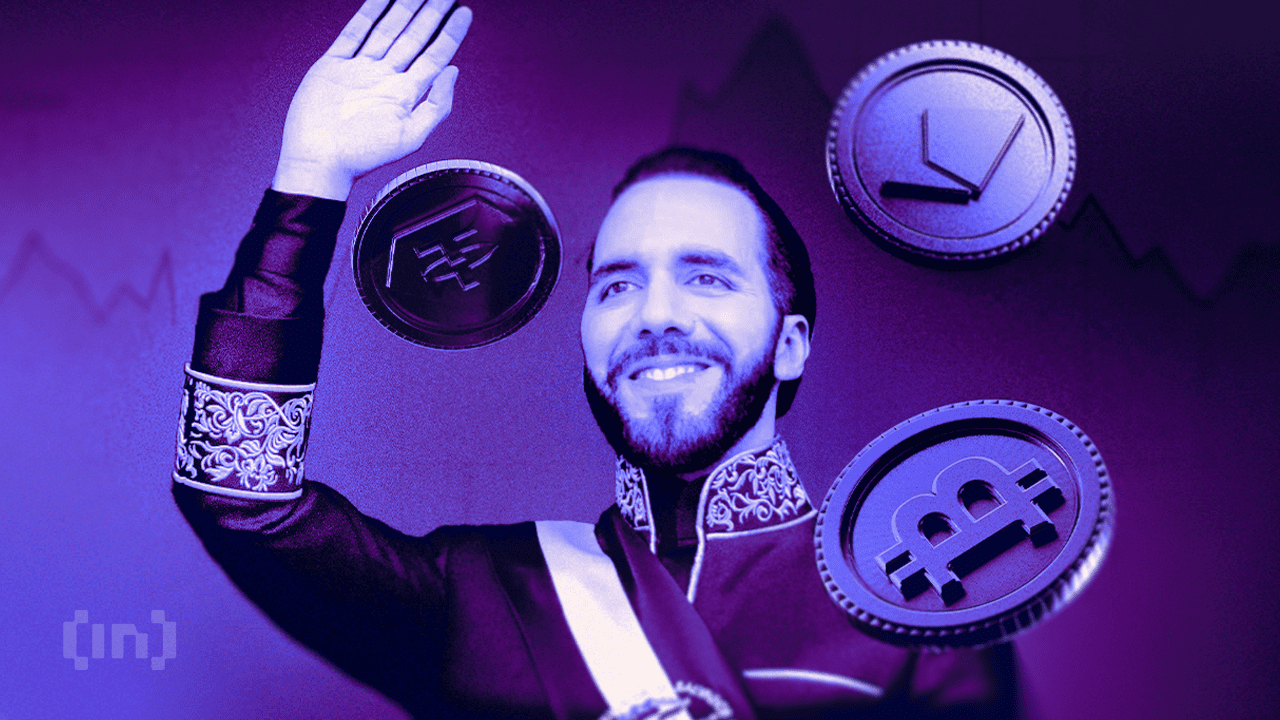
El Salvador is not abandoning its cryptocurrency ambitions but is instead refining them by promoting "Sivar," a new state-backed stablecoin application specifically designed for remittances. While President Nayib Bukele remains a vocal proponent of digital assets in 2026, the administration is now positioning Bitcoin exclusively as a long-term national reserve asset rather than a primary tool for daily retail transactions. This shift follows five years of experimentation, acknowledging that the flagship cryptocurrency’s price fluctuations remained a significant barrier for average citizens receiving money from abroad.
The move to Sivar represents a pragmatic adjustment to the country’s financial landscape. By utilizing a stablecoin for remittances—which account for a massive portion of the nation's GDP—the government aims to offer the speed of blockchain technology without the capital gains tax complexities or purchasing power volatility associated with BTC. For US-focused observers, this signals a growing global distinction between "store of value" assets and "medium of exchange" assets in state-level crypto implementations.
International financial institutions, including the IMF, are closely monitoring this dual-track system. In previous years, the push for Bitcoin adoption faced hurdles ranging from technical glitches in the Chivo wallet to low merchant penetration. The introduction of Sivar suggests a move toward a more predictable digital economy that may be more palatable to international creditors while still keeping El Salvador at the forefront of the sovereign digital finance movement.
For the broader crypto market, El Salvador’s decision reinforces Bitcoin’s maturing status as "digital gold." Investors should watch for the official adoption rates of the Sivar app and whether other emerging markets follow suit by creating localized stablecoins for utility while holding BTC for reserves. This transition could potentially improve El Salvador's credit outlook if it successfully reduces the fiscal risks previously highlighted by global rating agencies during the initial Bitcoin-only era.