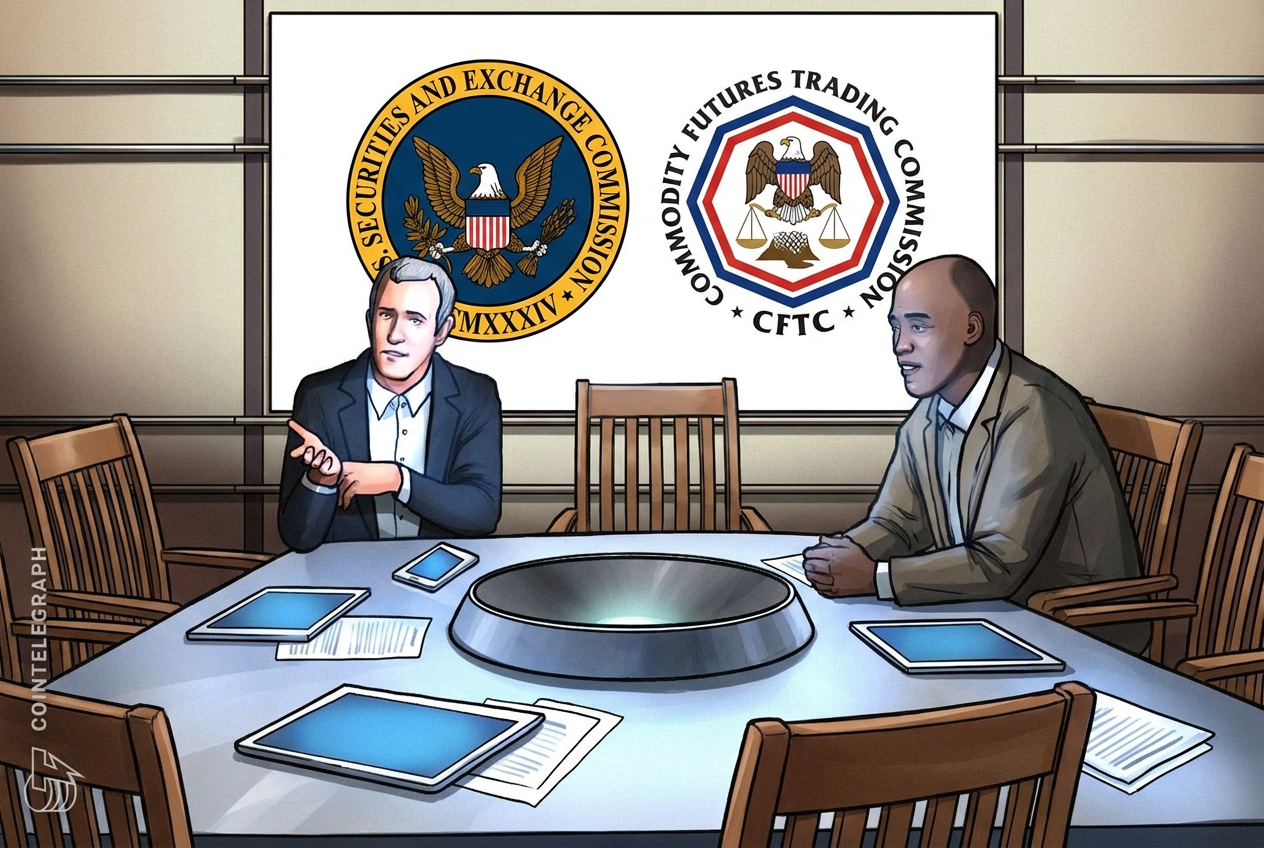
The departure of a key commissioner this Friday has left the Securities and Exchange Commission (SEC) and the Commodity Futures Trading Commission (CFTC) with a combined seven vacant seats, concentrating regulatory authority into the hands of just three remaining leaders. This leadership void directly hinders the ability of these agencies to maintain a quorum, effectively slowing the pace of crypto-related approvals and enforcement. For an industry valued at $3 trillion, this means critical decisions regarding market structure and asset classification are now in a state of suspended animation.
The mass exodus follows a period of intense political friction regarding the implementation of the 2026 digital asset framework. With only two commissioners remaining at the SEC and one at the CFTC, the agencies face a functional deadlock. Regulatory experts suggest that the remaining leaders will struggle to reach the consensus required to finalize the long-awaited stablecoin oversight rules or launch new litigation against major exchanges. This lack of a full board essentially freezes the regulatory agenda until new appointments are confirmed by the Senate.
For the broader crypto market, this regulatory thinning is a double-edged sword. While it may provide a temporary reprieve from aggressive 'regulation by enforcement' tactics seen in previous years, it also halts progress on the expansion of Spot ETFs and clearer guidelines for decentralized finance (DeFi) protocols. Institutional investors, who rely on a predictable legal environment to commit capital, are likely to move toward a 'wait-and-see' approach, which could suppress market liquidity in the coming months.
Moving forward, the industry must closely monitor the White House’s nomination process for the seven empty seats. The ideological leanings of the new nominees will determine whether the US pivots toward a pro-innovation stance or returns to a restrictive oversight model later in 2026. Until these seats are filled, the crypto sector remains in a state of legal limbo, potentially driving domestic innovation toward international jurisdictions with more stable regulatory leadership.