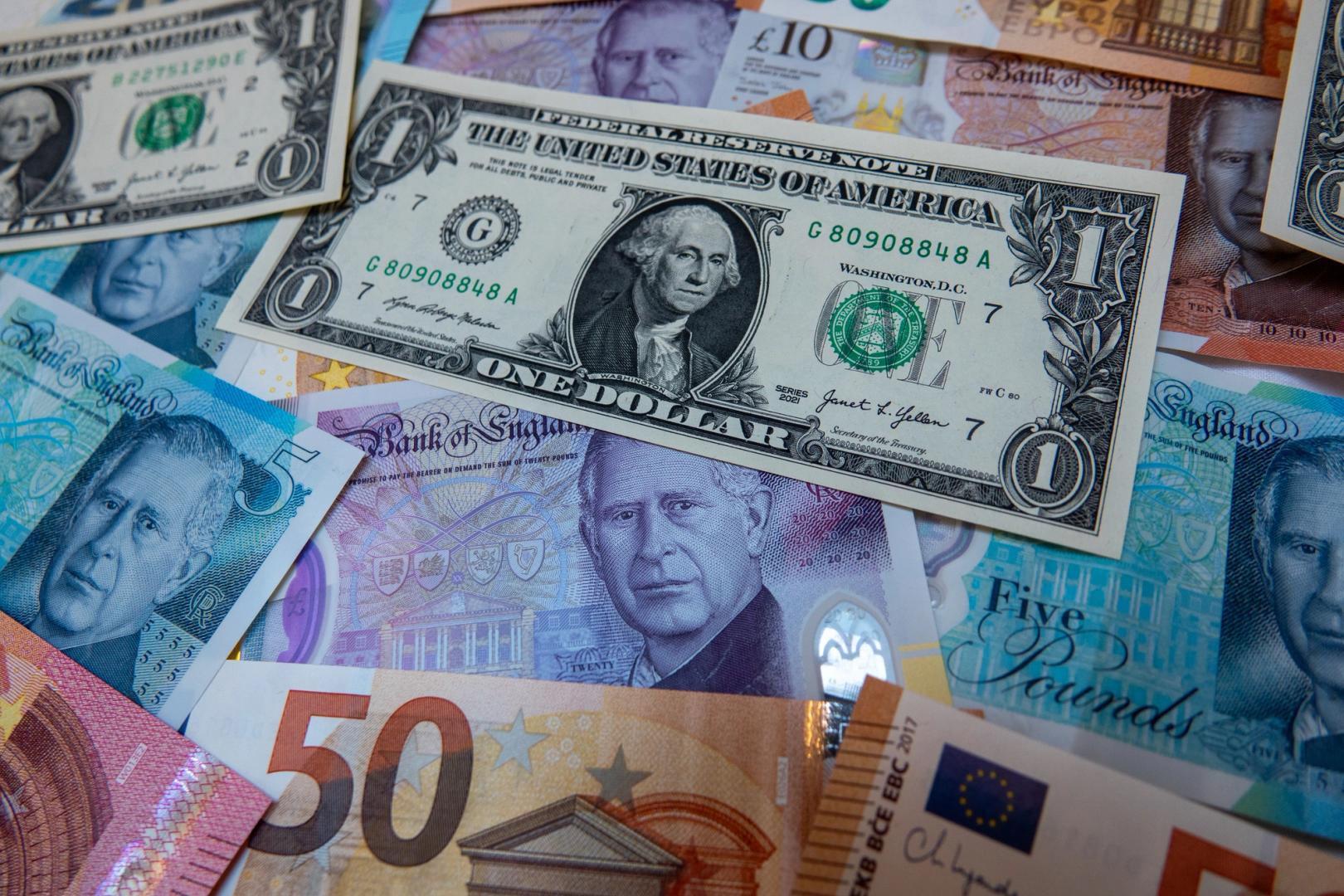
Asset management platform HANetf has expanded its suite of digital asset products in early 2026 by listing Bitcoin ETCs in London, Frankfurt, and Paris that offer pound sterling (GBP) and euro-hedged exposure. These listings allow investors to participate in the growth of Bitcoin while neutralizing the impact of fluctuations between their local currencies and the U.S. Dollar. By utilizing these specific instruments, regional investors can ensure that their returns are tied more closely to the performance of the underlying asset rather than foreign exchange volatility.
The move addresses a long-standing challenge for non-U.S. investors: the "double volatility" problem where a rising Bitcoin price can be offset by a weakening local currency against the USD. By providing these currency-hedged vehicles on the London Stock Exchange, Deutsche Börse Xetra, and Euronext Paris, HANetf is catering to institutional and retail demand for more localized financial instruments. This development is particularly significant for conservative wealth managers who previously avoided crypto due to the inherent FX risks associated with USD-denominated assets.
From a regulatory and geopolitical perspective, this expansion comes at a time when European frameworks have matured, fostering a safer environment for traditional finance players to list crypto-linked products. The availability of these ETCs in local currencies simplifies accounting and tax reporting for regional firms, further integrating Bitcoin into the European mainstream financial system. It reflects a growing trend of "localization" in crypto markets, where global assets are wrapped in regional protections to suit specific economic zones.
Market analysts expect this to boost liquidity during European trading hours, as it removes the barrier of foreign exchange risk for large-scale capital entry. For Bitcoin, this represents another step toward global institutionalization and price stability. Investors should watch for whether other major asset managers follow suit with similar localized hedging for their European ETPs throughout the remainder of 2026, which could further decouple the asset's performance from the strength of the DXY (US Dollar Index).