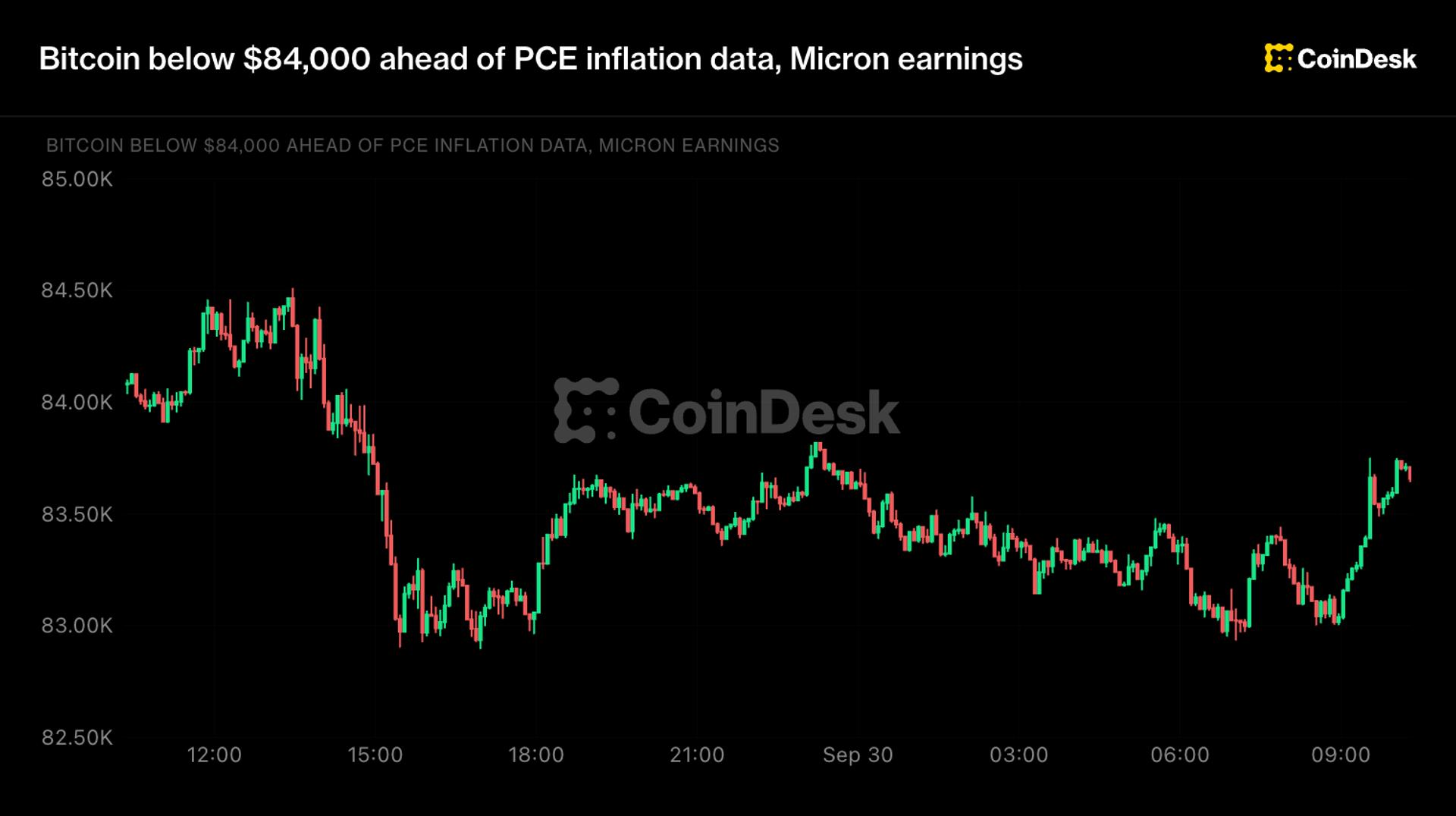
Bitcoin's current dip below the $84,000 threshold is a direct response to macroeconomic uncertainty surrounding the upcoming Personal Consumption Expenditures (PCE) inflation data. As the Federal Reserve’s favored metric for tracking price stability, the PCE report will likely determine if further interest rate hikes are necessary to combat persistent inflation. Traders are currently de-risking, pulling capital out of volatile assets like BTC in anticipation of a potential hawkish surprise from the Fed.
The broader financial environment is currently dominated by a surge in 30-year Treasury yields, which have reached levels not seen since 2002. This spike follows a month of oil-driven inflation concerns that have recalibrated market expectations for the remainder of 2026. When government bond yields rise so aggressively, the opportunity cost of holding non-yielding assets like Bitcoin increases, leading institutional players to rotate back into traditional fixed-income markets.
In addition to the inflation data, the crypto market is closely monitoring Micron’s upcoming earnings report. In 2026, Bitcoin remains highly correlated with the tech sector and AI-driven growth narratives. A disappointing performance from Micron could signal a broader slowdown in the tech industry, potentially dragging Bitcoin down further as liquidations hit the Nasdaq and digital asset exchanges simultaneously.
Looking ahead, the specific PCE print will be the primary catalyst for Bitcoin's next major move. If the data shows inflation is cooling, Bitcoin could see a rapid recovery toward previous highs. However, if the figures come in hot, the $80,000 support level will be the next critical area for bulls to defend. Investors should also watch for any commentary from Fed officials following the data release for clues on the mid-2026 monetary policy trajectory.