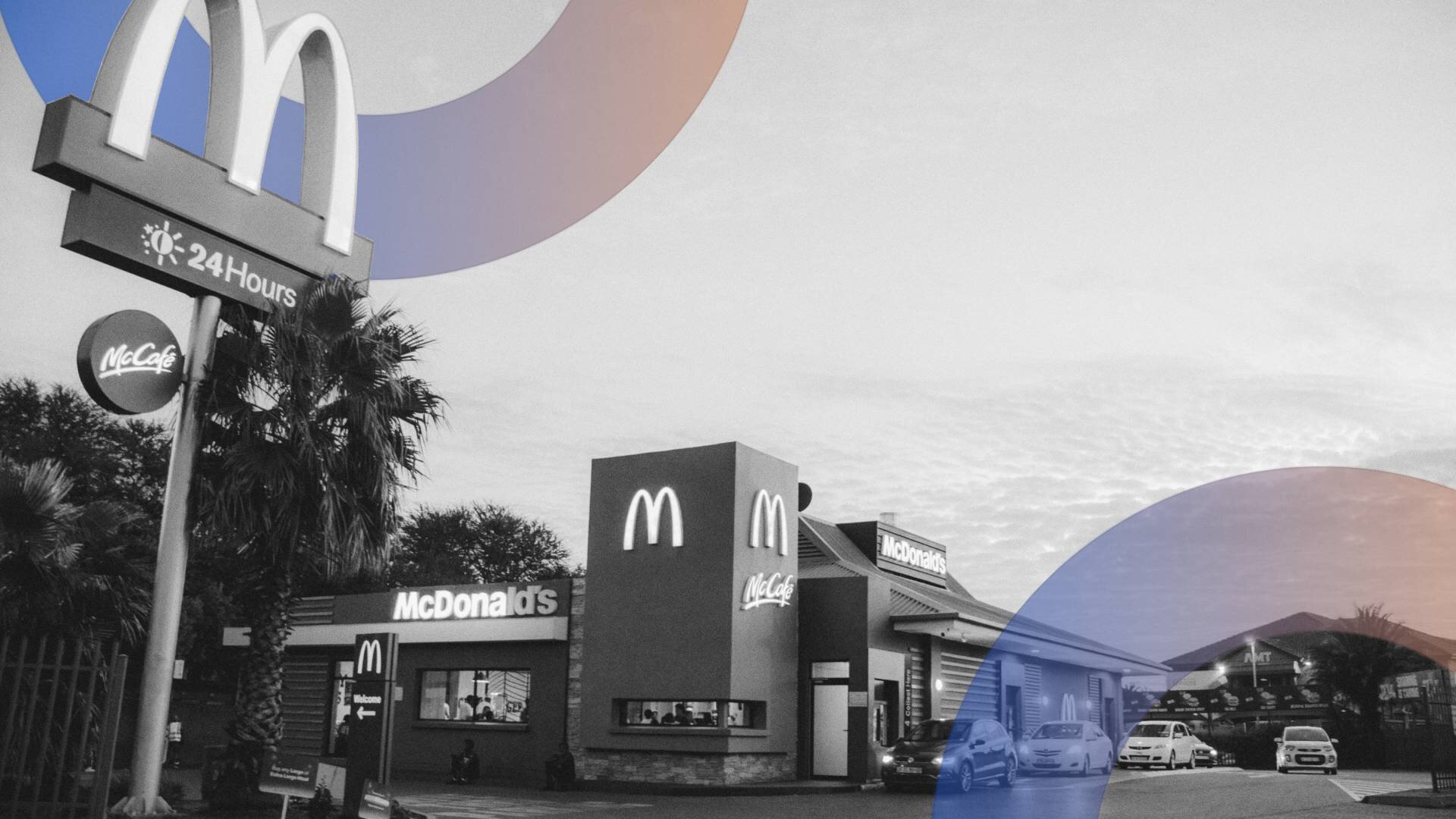
McDonald's AI pricing engine uses localized machine-learning models to set an 'optimal price' for every item on the menu based on specific restaurant data. By analyzing variables such as local foot traffic, neighborhood income levels, and real-time demand, the system has widened the price gap between locations in close proximity. In some documented cases in early 2026, branches separated by only two miles have shown price differences of over 10% for the same Big Mac meal, as the AI gauges the maximum threshold of consumer willingness to pay.
The rollout of this pricing technology marks a significant milestone in the integration of AI within the physical retail space. Unlike traditional static pricing, these models allow for real-time adjustments that maximize margins at a granular level. For the broader tech and data markets, this sets a precedent for how large-scale consumer data is weaponized to drive profitability, raising questions about the 'fairness' of algorithmic price discrimination.
From a regulatory standpoint, the U.S. Federal Trade Commission (FTC) is expected to scrutinize these 'pricing engines' to ensure they do not violate consumer protection laws or engage in predatory practices. While dynamic pricing is common in the travel and hospitality sectors, its aggressive expansion into fast food represents a new frontier for automated economic systems. Crypto analysts are watching this trend closely, as it mirrors the automated market makers (AMMs) found in DeFi, albeit within a closed, centralized corporate ecosystem.
Investors and consumers should watch for potential backlash and subsequent legislative proposals aimed at algorithmic transparency. If the public perceives these price shifts as unfair, it may drive interest toward decentralized, transparent pricing protocols and blockchain-based loyalty programs that offer more predictable value. As other retail giants look to mirror McDonald's success, the demand for high-quality data sets and AI-auditing tools is likely to surge throughout 2026.