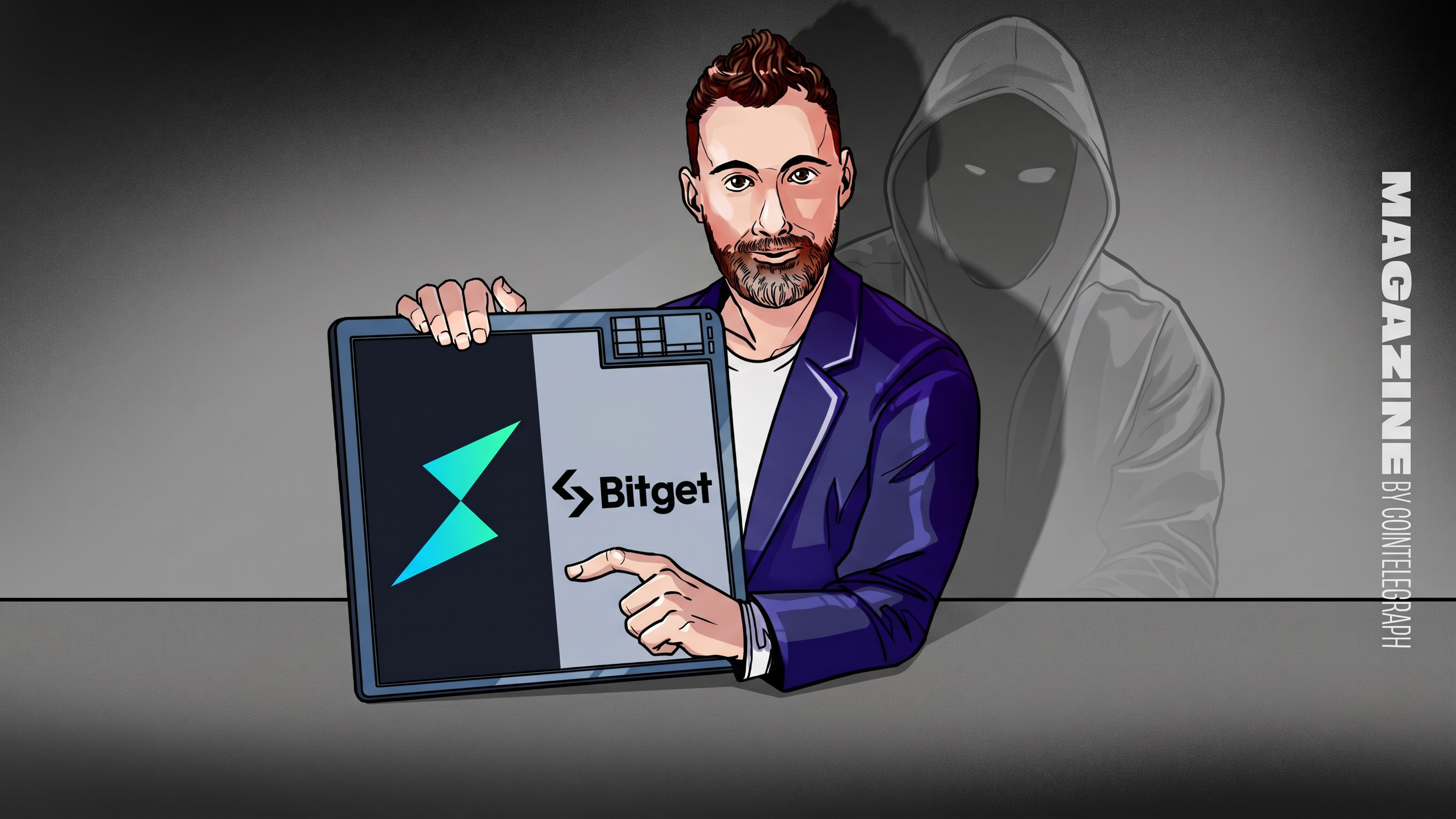
Legal experts are currently debating whether THORChain developers can be prosecuted for money laundering following their refusal—or technical inability—to block addresses linked to the $387.5 million Bitget hack. According to crypto lawyer Yuriy Brisov, the situation is legally complex because THORChain operates as a decentralized liquidity protocol without a central authority capable of blacklisting specific wallet addresses. Prosecutors would likely need to prove that the developers maintained a level of control or intent that contradicts the protocol's decentralized claims to move forward with charges.
The controversy began after a massive exploit of the Bitget exchange led to the theft of nearly $390 million in crypto assets, much of which was subsequently routed through THORChain to obfuscate the transaction trail. Unlike centralized entities, THORChain’s architecture is designed to be permissionless, allowing for cross-chain swaps without an intermediary. This incident has reignited the debate over the liability of software developers who write code for autonomous financial systems that are later used by bad actors.
In the 2026 regulatory climate, the U.S. Department of Justice and international financial watchdogs have become increasingly aggressive toward "unhosted" protocols that facilitate large-scale illicit flows. The core of the legal battle rests on whether contributing to an autonomous protocol constitutes "aiding and abetting" money laundering if the creators do not implement compliance features. This case is viewed as a bellwether for the DeFi industry, as it tests the boundaries of the "code is speech" defense against evolving Anti-Money Laundering (AML) and Counter-Terrorism Financing (CTF) requirements.
For the broader crypto market, the potential for legal action against THORChain contributors introduces significant risk for the RUNE token and other cross-chain bridge protocols. If developers are held liable for the actions of protocol users, it could lead to a mass exodus of talent from the DeFi space or a fundamental redesign of how decentralized protocols operate. Investors and users should watch for any formal indictments or regulatory notices from U.S. authorities, as these will likely dictate the future of permissionless finance and the valuation of privacy-focused assets.