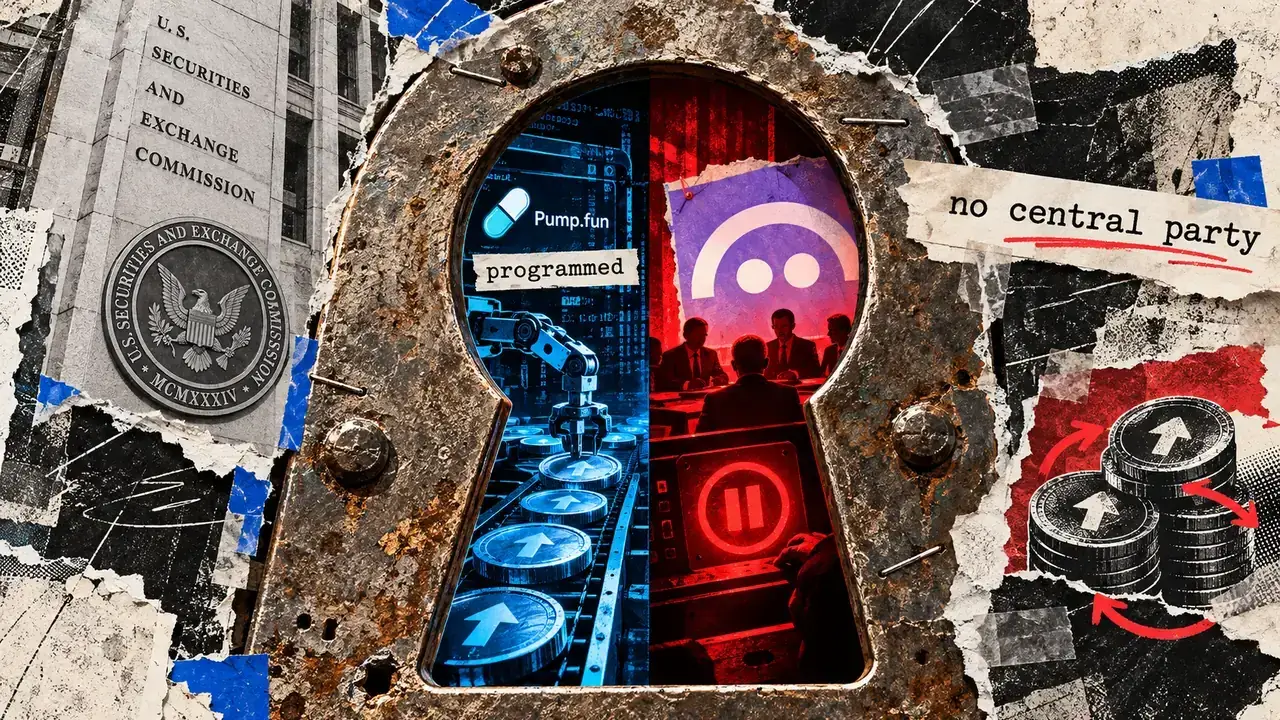
The SEC’s new 'no-central-party' condition fundamentally changes how crypto projects can execute token buybacks by requiring these actions to be entirely decentralized and free from discretionary control by a core team. By mandating that no single entity coordinates the repurchase, the SEC aims to prevent projects from using buybacks as a corporate-style tool for price manipulation or as a 'profit-sharing' mechanism that would automatically classify the token as a security under the Howey Test. This update forces DAOs and DeFi protocols to shift toward programmatic, code-based buyback structures rather than those managed by foundations or centralized treasury managers.
This regulatory pivot arrives as token buyback spending reached a staggering $638 million in the first half of 2026. Previously, many projects utilized 'buy-and-burn' or treasury-led repurchase programs to manage liquidity and support token valuations. The SEC’s staff guidance suggests that these 'managed' buybacks are now under intense scrutiny, as the involvement of a central party suggests that investors are relying on the 'efforts of others' for their expectation of profit, a key pillar of U.S. securities law.
From a regulatory standpoint, this move reflects a broader 2026 push to eliminate 'decentralization in name only' (DINO) practices. The SEC is signaling that it will no longer overlook projects that use corporate financial engineering to reward holders while claiming to be decentralized. For projects that have already spent hundreds of millions on buybacks this year, the risk of retrospective enforcement actions has increased significantly, particularly if those buybacks were executed by a small group of insiders rather than through a broad, autonomous smart contract.
Market participants should expect a cooling period for token repurchases as legal teams audit existing smart contracts and governance workflows. The immediate impact will likely be felt in the DeFi sector, where buybacks have been a primary narrative for 'real yield' strategies. Investors should watch for upcoming SEC enforcement actions targeting projects with centralized treasuries, as well as a potential trend toward 'fair launch' protocols that implement fully automated, immutable buyback mechanisms to bypass the central-party trap.