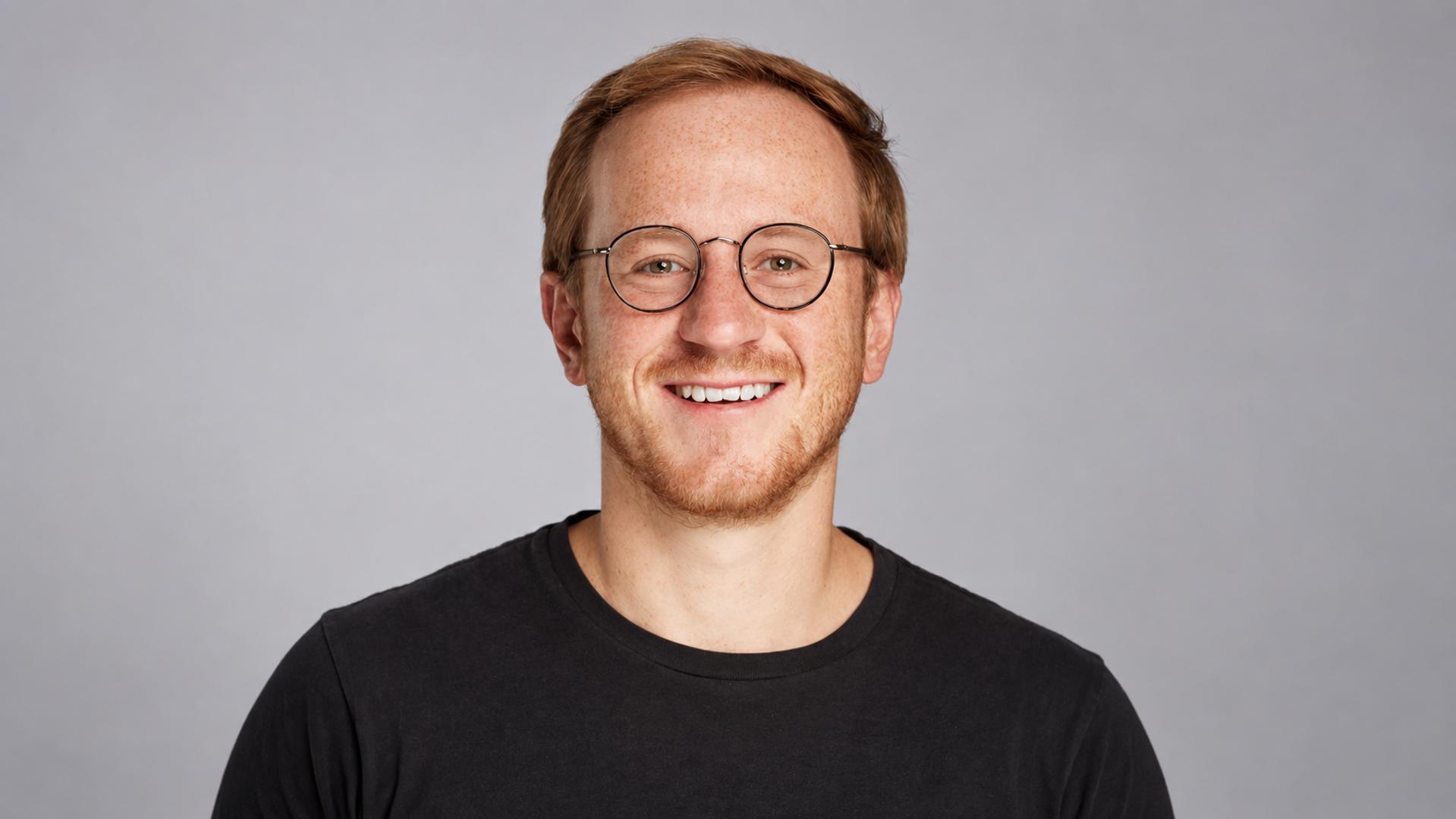
Open USD is attempting to disrupt the dominance of Tether (USDT) and Circle (USDC) by adopting an "equity-for-growth" model where the majority of Open Standard’s equity is distributed to its partners. Unlike traditional stablecoin issuers that keep profits and governance centralized, CEO Zach Abrams confirmed in early 2026 that equity will be awarded over time based on how much partners contribute to the stablecoin's adoption and liquidity. This approach seeks to align the interests of developers and platforms with the success of the currency itself, creating a shared incentive structure that current market leaders lack.
The strategy focuses on a "building money" concept, prioritizing an open-standard ecosystem over the closed models often associated with current market leaders. By providing a financial stake to the businesses and protocols that integrate Open USD, Open Standard hopes to create a network effect that USDT and USDC—which primarily benefit their respective parent companies—cannot easily replicate. This move comes at a time when US market participants are increasingly looking for stablecoin alternatives that offer more than just a 1:1 peg, but also a share in the underlying protocol's success.
From a regulatory perspective, this model introduces new questions for the US crypto landscape in 2026. As lawmakers refine stablecoin legislation, a platform that distributes equity based on utility may be viewed differently than traditional centralized issuers. This could potentially offer a more resilient path toward decentralization, provided the equity distribution remains transparent and compliant with evolving SEC guidelines regarding digital assets and corporate governance.
Market observers should watch for the specific integration milestones Open Standard sets for its partners, as these will dictate which DeFi protocols and exchanges gain the most influence over the new stablecoin. The success of Open USD will depend on whether this equity incentive is strong enough to pull deep liquidity away from USDT's global network and USDC's regulated US stronghold. If successful, this could spark a shift toward "community-owned" stablecoin infrastructure across the entire industry.