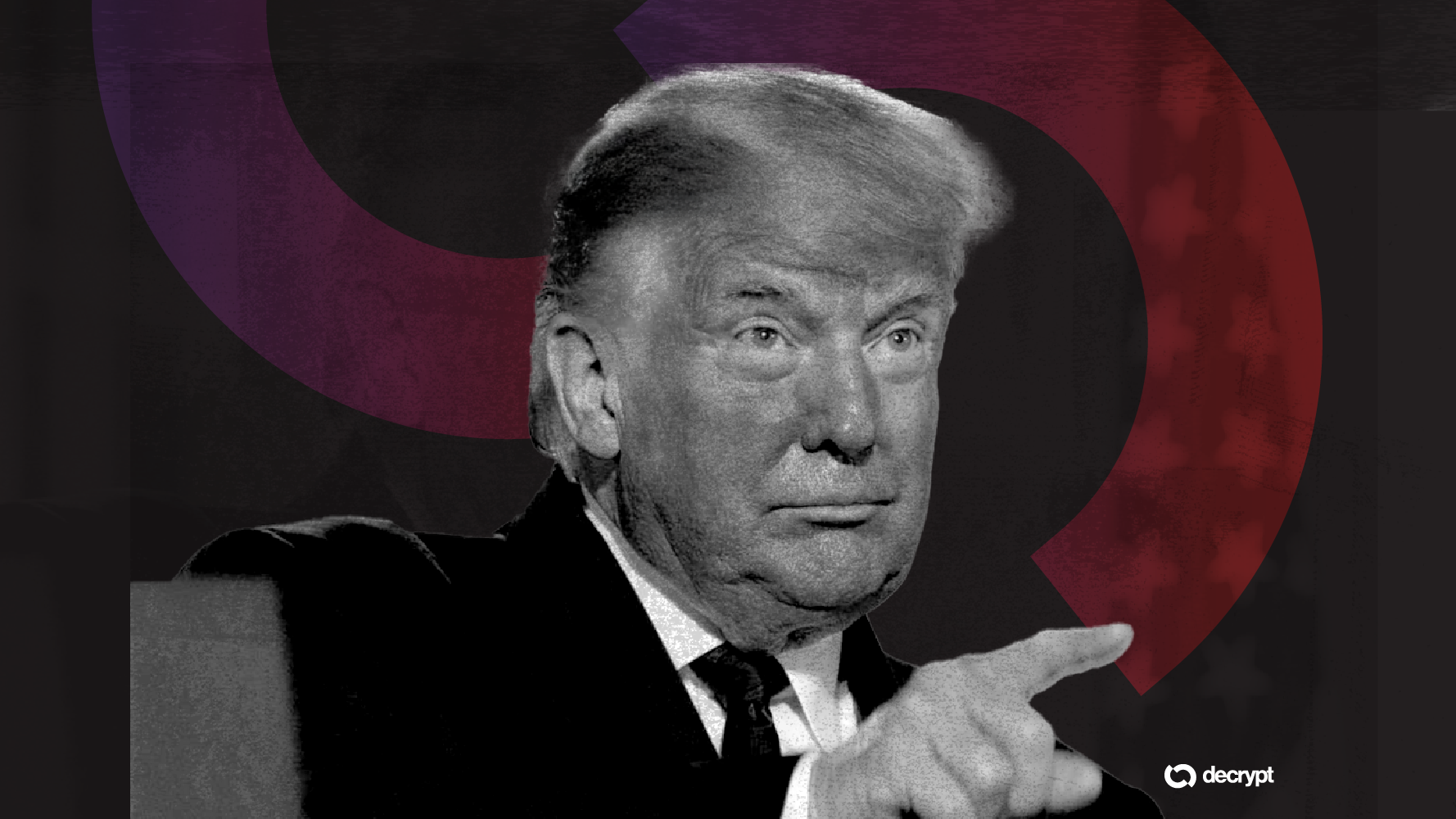
The 'Morally Binding' AI Accord unveiled by the Trump administration in early 2026 requires major tech firms, including OpenAI, Google, and Nvidia, to adopt internal controls and board-level oversight for AI development. The one-page document focuses on self-regulation, asking companies to submit to independent audits to ensure safety and ethical standards are met. Because the pact is described as 'morally binding' rather than legally enforceable, it establishes a voluntary governance structure without the threat of federal fines or litigation.
This regulatory move reflects a broader political strategy to foster American innovation while providing a public-facing safety framework. By securing signatures from industry leaders like Nvidia, the administration aims to create a unified front in the global AI race. However, the accord has already faced criticism from policy experts who argue that the 'thin detail' and lack of enforcement mechanisms allow corporations to prioritize profits over potential AI risks, effectively leaving the industry to police itself.
For the crypto and blockchain sectors, the accord has significant implications for Decentralized AI and DePIN (Decentralized Physical Infrastructure Networks) projects. As centralized entities like Nvidia and Google agree to these oversight standards, the contrast with decentralized, permissionless AI protocols becomes clearer. Investors are closely monitoring whether this voluntary framework will eventually transition into formal legislation that could impact GPU availability or the development of AI-integrated smart contracts.
Moving forward, market participants should watch for the selection of the independent auditors and the specific internal controls adopted by the signatories. While the immediate market impact is neutral, the precedent set by this accord could influence how future AI-related digital assets are regulated in the United States. The real test of the pact will occur when a signatory faces a safety breach, revealing whether a 'morally binding' agreement holds any weight in a competitive tech landscape.