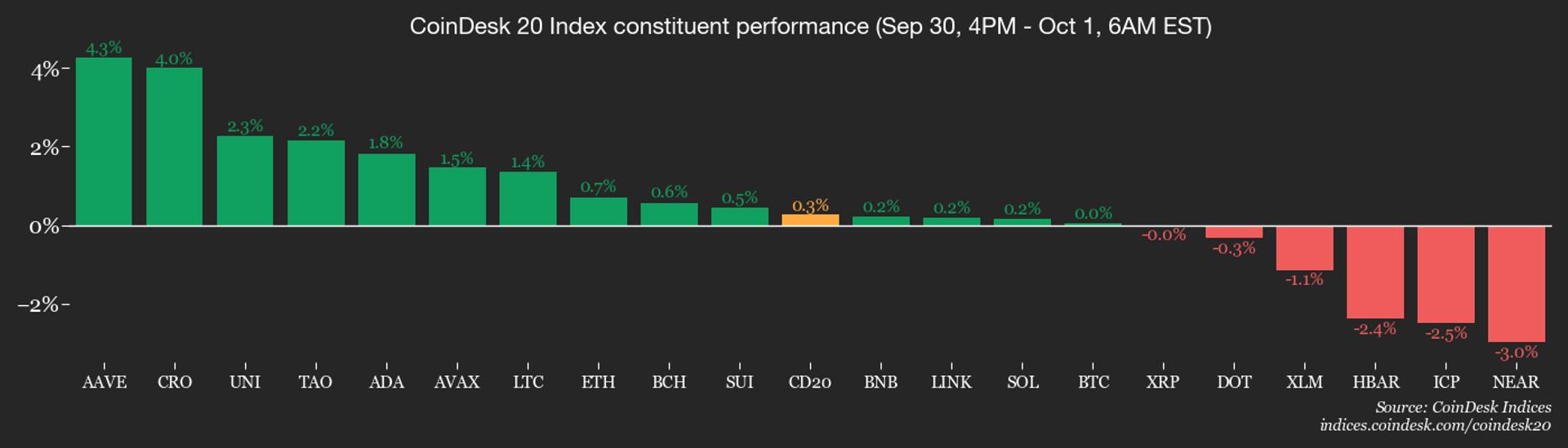
Bitcoin’s inability to maintain its position above $85,000 was primarily caused by a lack of follow-through from spot ETFs, which failed to provide the necessary liquidity to absorb profit-taking at the start of the new quarter. While weaker-than-expected U.S. inflation data initially sent prices above $85,000 by cooling expectations for Federal Reserve rate hikes, the momentum stalled as institutional buying through exchange-traded funds remained stagnant. This lack of support forced the asset back into the familiar $82,000–$85,000 corridor that has defined recent trading sessions.
The volatility followed the release of U.S. consumer price data on Wednesday, which suggested that the Fed’s restrictive monetary policy is finally having a sustained impact in 2026. For crypto markets, lower inflation is typically a bullish catalyst as it increases the likelihood of a more dovish central bank. However, the immediate price spike proved to be a 'fakeout' rather than a breakout, as the market reached a local ceiling of sell orders that spot ETF participants were unwilling to chase.
Regulatory and institutional sentiment remains the key variable for the remainder of the quarter. While the cooling macro environment provides a healthy backdrop for risk assets, the lack of aggressive ETF inflows suggests that major American funds are remaining cautious until the Federal Reserve officially signals a pause or a pivot. This stagnation highlights a shift in market dynamics where macro data alone is no longer enough to drive Bitcoin to new all-time highs without concurrent institutional volume.
Moving forward, investors should closely monitor daily net flows into major U.S. spot Bitcoin ETFs and upcoming comments from Fed officials. A failure to hold the $82,000 support level could indicate a deeper correction toward $78,000, while a sustained daily close above $85,500 would be required to confirm that the bull market has entered its next phase. For now, the market remains in a consolidation phase, awaiting a more definitive catalyst for price discovery.