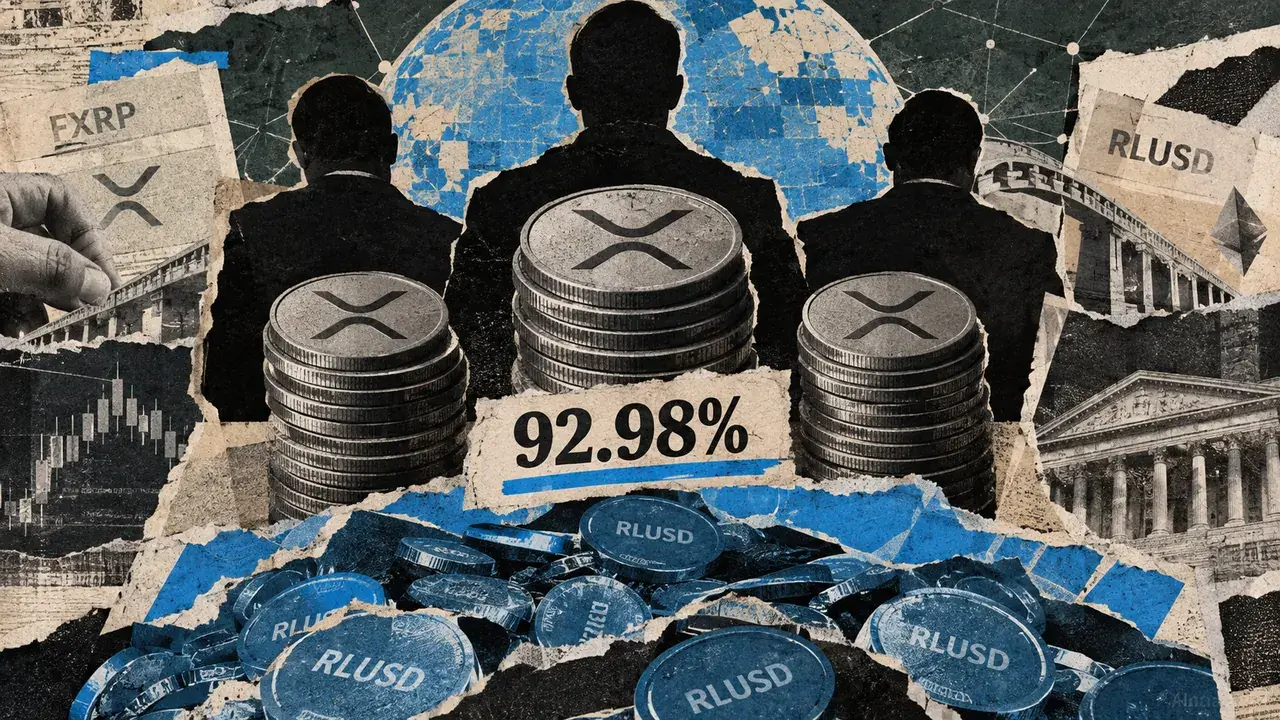
Whale dominance in Morpho’s FXRP market is currently limiting the broader utility of XRP as a retail lending asset, despite the successful technical launch of real-world loan collateralization. The October 1, 2026, snapshot of Morpho’s liquidity pools reveals that while FXRP is actively being used to secure loans, the debt side of the market is heavily concentrated among a few large-scale addresses. This suggests that while the infrastructure for XRP-backed credit is robust, it is currently functioning more as a private credit line for major holders rather than a distributed DeFi primitive.
The integration of FXRP—a wrapped version of XRP designed for Ethereum-compatible layers—represents a significant milestone for the Ripple ecosystem. By allowing users to lock XRP to mint FXRP, holders can finally access liquidity in the broader EVM (Ethereum Virtual Machine) ecosystem without selling their underlying tokens. This development follows years of efforts to bridge the XRP Ledger (XRPL) with decentralized finance protocols, marking 2026 as the year XRP moved from a speculative asset to a productive financial instrument.
From a regulatory perspective, the US market in 2026 has become increasingly comfortable with wrapped assets, provided they maintain transparent reserve proofs. The concentration of XRP debt among whales may actually be a byproduct of this compliance-heavy environment, where institutional players with clear KYC/AML profiles are the first to leverage high-value collateral for sophisticated yield strategies. However, for XRP to see a significant price impact from this utility, the market needs to transition toward a more granular, retail-friendly distribution.
For investors, the current whale-heavy snapshot indicates that the 'buy and hold' sentiment among XRP's largest backers remains strong, as they prefer borrowing against their assets rather than liquidating them. This provides a soft floor for XRP’s valuation but fails to create the aggressive buy-side pressure that a retail-driven DeFi summer might produce. The lack of decentralized debt distribution means the market is still vulnerable to the movements of a few key actors.
Looking ahead, market participants should watch for the expansion of FXRP into other major lending protocols like Aave or Spark. If these platforms begin to onboard XRP collateral with more diverse borrower profiles, it could signal a shift toward mass adoption. Until then, XRP’s role in DeFi remains an institutional play, focused on capital efficiency for the ecosystem's largest stakeholders.