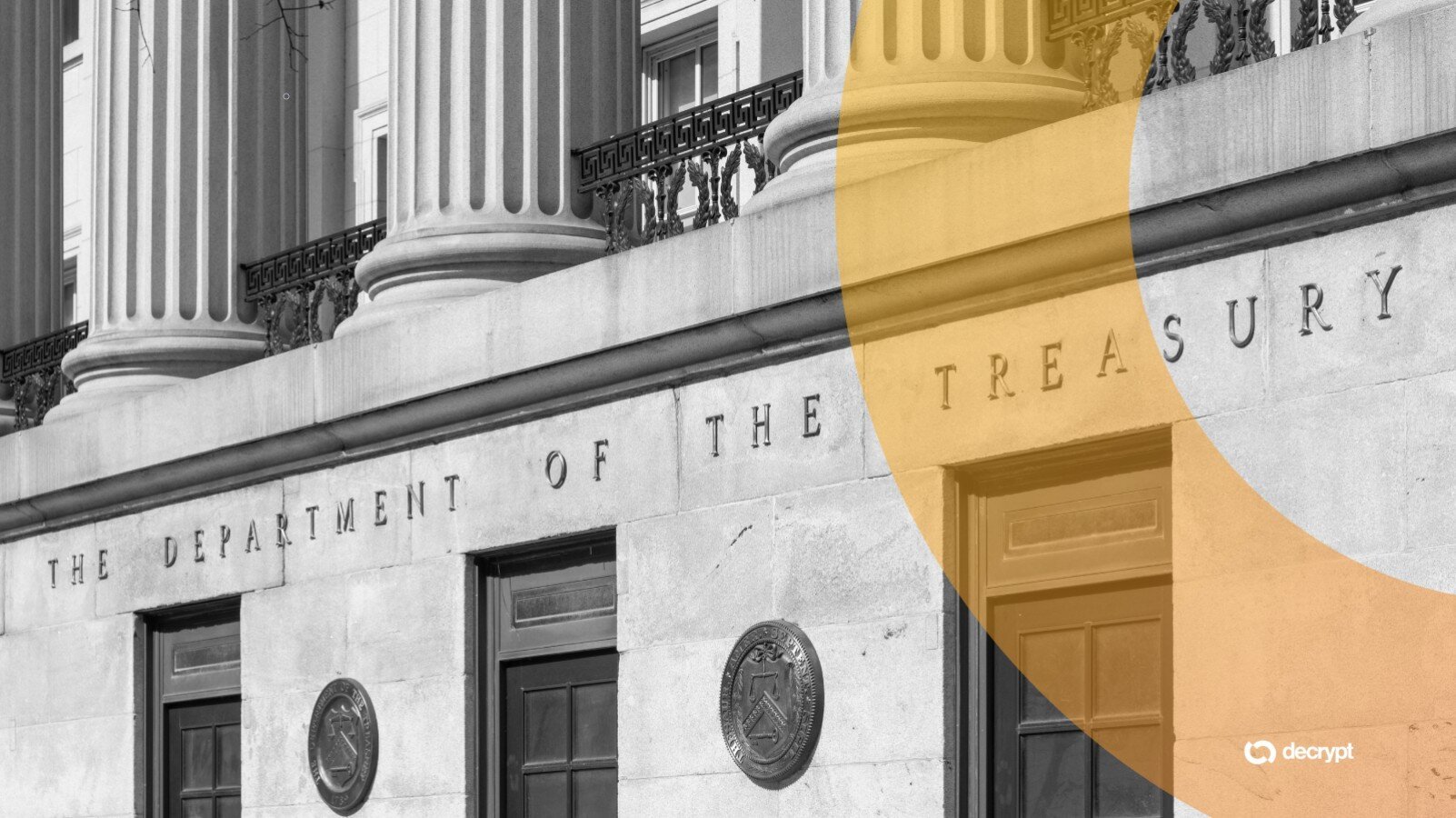
The US Treasury’s decision in early 2026 to label the A7 Network as a Transnational Criminal Organization (TCO) is a direct strike against Russia's alternative financial infrastructure. By applying this designation, the US government is legally mandating that all domestic financial institutions and cryptocurrency exchanges sever ties with any front companies associated with A7. The primary objective is to freeze the movement of a specific 'ruble token' that investigators claim has facilitated $179 billion in illicit cross-border transfers outside the reach of traditional banking oversight.
According to the Treasury’s proposed rule, the A7 Network functioned as a sophisticated clearinghouse, using a web of shell companies to mask the origin of state-linked capital. The use of blockchain technology allowed these entities to bypass the SWIFT messaging system and standard AML/KYC protocols. The TCO designation represents the highest tier of administrative sanction, granting the Office of Foreign Assets Control (OFAC) expansive powers to seize digital assets and prosecute any global entity that continues to provide liquidity to the A7 ecosystem.
This regulatory escalation marks a significant shift in US geopolitical strategy, moving from targeting individual digital wallets to dismantling entire decentralized financial architectures used for sanctions evasion. For the US crypto market, this implies a significantly higher compliance burden. US-based platforms must now utilize advanced blockchain forensics to ensure that no 'ruble token' liquidity enters their systems through secondary markets or nested exchange services, which could lead to temporary liquidity fragments in Eastern European trading pairs.
Looking forward, market participants should monitor for secondary sanctions against foreign-based 'no-KYC' exchanges that may still be hosting A7-affiliated assets. The designation serves as a stark warning that the US Treasury will treat large-scale, state-aligned crypto networks as organized crime syndicates. As the enforcement begins in mid-2026, the industry should expect increased scrutiny on all stablecoins or tokens that peg their value to currencies under US sanctions, potentially impacting the broader risk appetite for non-Western digital assets.